In the exhilarating world of motorsport events, where speed and precision reign supreme, the importance of safety cannot be overstated. Every year, millions of fans flock to racetracks and circuits, drawn by the thrill of high-octane competition. However, behind the scenes, a robust framework of safety measures is meticulously designed to protect not only the drivers but also the teams, officials, and spectators. Understanding these safety protocols is crucial for appreciating the sport's commitment to minimizing risks while maximizing excitement. Motorsport safety is a multifaceted discipline that encompasses everything from vehicle design to track infrastructure.
Innovations in technology have led to significant advancements in safety gear, such as helmets and fire-resistant suits, which are now standard for all participants. Additionally, modern racing cars are engineered with crumple zones and advanced roll cages that absorb impact forces, significantly reducing the likelihood of serious injuries during accidents. These measures reflect a deep-seated commitment to ensuring that motorsport events can be enjoyed safely. Moreover, the role of regulatory bodies in enforcing safety standards cannot be overlooked. Organizations like the FIA (Fédération Internationale de l'Automobile) continuously update regulations to adapt to new challenges and technologies in the sport.
This proactive approach not only enhances driver safety but also fosters a culture of responsibility among all stakeholders involved in motorsport events. As we delve deeper into this topic, we will explore specific safety measures implemented across various racing disciplines, highlighting how they contribute to a safer environment for everyone involved.
Regulatory Bodies and Their Role in Motorsport Safety
In the world of motorsport events, safety is paramount, and this responsibility largely falls on various regulatory bodies that oversee the sport. The most prominent of these is the Fédération Internationale de l'Automobile (FIA), which plays a crucial role in establishing and enforcing safety standards across different motorsport disciplines.The FIA is responsible for creating comprehensive safety regulations that govern everything from vehicle design to track safety. These regulations are designed to protect not only the drivers but also the teams, officials, and spectators involved in motorsport events.Some key areas of focus include:
- Vehicle Safety Standards: The FIA mandates rigorous testing and certification processes for race cars to ensure they meet specific safety criteria, including crash tests and fire resistance.
- Track Safety Regulations: Tracks must adhere to strict guidelines regarding barriers, run-off areas, and medical facilities to minimize risks during events.
- Driver Safety Equipment: Regulations require drivers to wear protective gear such as helmets, fire-resistant suits, and harnesses that are regularly updated to incorporate the latest safety technology.
- Emergency Response Protocols: The FIA outlines procedures for emergency response teams, ensuring they are well-trained and equipped to handle incidents swiftly and effectively.
Furthermore, continuous research into materials and design improvements ensures that safety standards keep pace with the demands of modern racing.Ultimately, the commitment of regulatory bodies like the FIA to uphold stringent safety regulations is vital for the future of motorsport events. Their efforts not only protect participants but also enhance the overall experience for fans, ensuring that motorsport remains an exciting yet safe spectacle.
Pre-Event Safety Inspections and Protocols
Before any motorsport event takes place, a series of rigorous pre-event safety inspections and protocols are implemented to ensure the safety of drivers, teams, and spectators. These inspections are crucial in identifying potential hazards and ensuring that all vehicles and equipment comply with established safety standards.Vehicle Safety Checks
- Technical Inspections: Each vehicle undergoes a thorough technical inspection where mechanics check critical components such as brakes, tires, suspension, and fuel systems. This ensures that all parts are functioning correctly and meet the specifications set by the governing bodies.
- Weight and Dimensions: Vehicles are weighed to ensure they comply with the weight regulations.
Additionally, dimensions such as height and width are checked to confirm they meet the required standards.
- Safety Equipment: The inspection includes verifying that all safety equipment, including helmets, fire suits, and harnesses, are in good condition and meet the necessary safety ratings.
Event Protocols
- Driver Briefings: Prior to the event, drivers participate in briefings where they are informed about the specific rules of the event, emergency procedures, and any unique aspects of the track or conditions.
- Emergency Response Plans: Each event has a detailed emergency response plan that outlines procedures for various scenarios, including accidents or vehicle malfunctions. This plan is reviewed with all personnel involved in the event.
- Track Inspections: The track itself is inspected for any potential hazards such as debris or surface irregularities. Safety barriers and fencing are also checked to ensure they can withstand impacts.
Safety Equipment for Drivers and Teams
In the high-octane world of motorsport events, safety is paramount.The equipment used by drivers and teams plays a crucial role in minimizing risks and ensuring that everyone involved can perform at their best while remaining protected.
Essential Safety Gear for Drivers
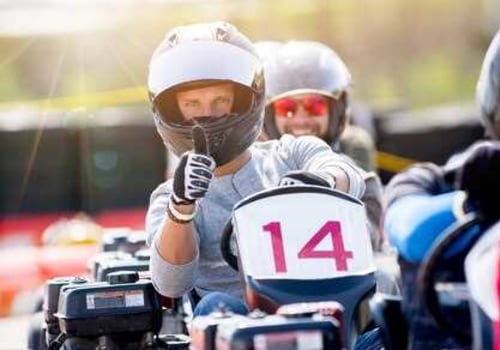
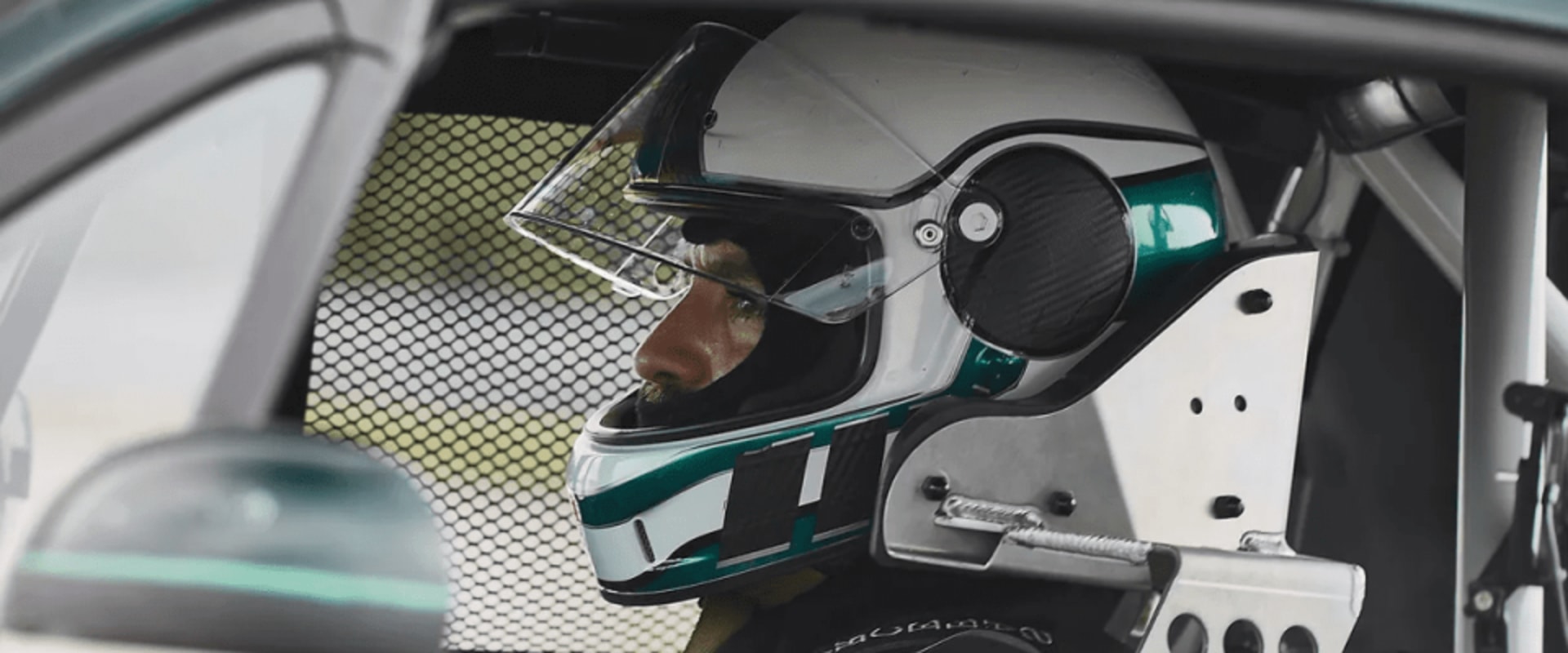
- Helmets: A driver’s helmet is the first line of defense against head injuries. Modern helmets are designed to withstand significant impacts and are equipped with advanced features such as fire-resistant materials and communication systems.
- Racing Suits: Made from fire-retardant fabrics, racing suits protect drivers from flames and heat. These suits are often multi-layered to provide additional insulation and are tailored for a snug fit to prevent any interference with driving.
- Gloves: Racing gloves enhance grip on the steering wheel while providing protection against heat and abrasion. They are typically made from materials that offer both flexibility and durability.
- Boots: Specialized racing boots are designed to provide support and protection for the feet and ankles.
They feature non-slip soles for better pedal control and are often made from fire-resistant materials.
Team Safety Measures
The safety of the entire team is equally important during motorsport events. Here are some key measures implemented:- Pit Crew Gear: Just like drivers, pit crew members wear protective gear, including helmets, gloves, and fire-resistant clothing, to safeguard against potential hazards during tire changes or refueling.
- Fire Extinguishers: Strategically placed fire extinguishers in the pit area ensure that any fire incidents can be quickly addressed, minimizing damage and injury.
- Emergency Protocols: Teams conduct regular training sessions on emergency procedures, ensuring that all members know how to respond effectively in case of an accident or fire.
Track Safety Features and Design Considerations
When it comes to motorsport events, the design and safety features of the track play a crucial role in ensuring the well-being of drivers, teams, and spectators. Various elements are integrated into the track layout to minimize risks and enhance safety during high-speed competitions.Barriers
One of the most significant safety features on any racetrack is the use of barriers. These barriers are designed to absorb impact and prevent vehicles from veering off the track.Common types of barriers include:
- Concrete Walls: Solid and effective, concrete walls are often used in areas where high-speed impacts are likely.
- SAFER Barriers: The Steel And Foam Energy Reduction (SAFER) barrier is a modern innovation that combines steel and foam to reduce the force of impacts.
- Guardrails: These are typically used in less critical areas but can still provide essential protection against collisions.
Run-off Areas
Run-off areas are another critical aspect of track design. These zones are strategically placed at various points around the circuit to allow drivers a safe space to regain control if they lose traction or experience mechanical failure. The characteristics of run-off areas include:- Asphalt Run-off: Smooth asphalt surfaces can help slow down vehicles gradually, reducing the risk of injury.
- Gravel Traps: These areas are designed to slow down cars by creating drag, effectively bringing them to a stop without severe impact.
- Sand Traps: Similar to gravel traps, sand traps provide an additional layer of deceleration for vehicles that stray off course.
Track Layout Considerations
The overall layout of a racetrack is meticulously planned to enhance safety. Key considerations include:- Corners and Turns: Gentle curves are preferred over sharp turns, as they reduce the likelihood of accidents.
- Sightlines: Clear sightlines allow drivers to anticipate upcoming challenges, improving reaction times.
- Elevation Changes: While adding excitement, elevation changes must be designed carefully to avoid blind spots and ensure visibility.
Continuous improvements in these areas reflect the commitment to protecting everyone involved in high-speed racing.
Emergency Response Plans at Motorsport Events
In the high-octane world of motorsport events, ensuring the safety of drivers, teams, and spectators is paramount. To address potential emergencies, comprehensive emergency response plans are meticulously crafted and implemented at every event.Emergency Medical Teams
- Each motorsport event is equipped with dedicated medical teams that are trained specifically for motorsport-related incidents. These teams are typically composed of paramedics, doctors, and trauma specialists who understand the unique challenges posed by high-speed racing.
- Medical personnel are stationed at strategic locations around the track to ensure rapid response times in case of an accident.
Incident Management Plans
- Incident management plans outline the procedures to follow in the event of a crash or emergency. These plans include clear communication protocols among race officials, medical teams, and emergency services.
- Regular drills and simulations are conducted to ensure that all personnel are familiar with their roles and responsibilities during an emergency.
Communication Systems
- A robust communication system is essential for effective incident management.
Race control is equipped with advanced technology to monitor the race and coordinate responses swiftly.
- Two-way radios and other communication devices allow for real-time updates between track officials and medical teams, ensuring that help is dispatched immediately when needed.
Safety Equipment
- The presence of safety equipment such as ambulances, fire trucks, and rescue vehicles is a standard requirement at all motorsport events. These vehicles are on standby throughout the duration of the race.
- Additionally, tracks are designed with safety features like barriers and run-off areas to minimize the impact of accidents.
Post-Event Safety Reviews and Improvements
After every motorsport event, a thorough post-event safety review is conducted to analyze incidents and identify areas for improvement. These reviews are crucial for enhancing the safety protocols in place and ensuring that lessons learned from any incidents are effectively integrated into future events.Key Components of Post-Event Safety Reviews:
- Incident Analysis: Each incident is meticulously examined to understand its causes. This includes reviewing video footage, telemetry data, and eyewitness accounts.
- Safety Protocol Evaluation: The existing safety measures are assessed to determine their effectiveness.
This evaluation helps identify any gaps or weaknesses that need addressing.
- Stakeholder Feedback: Input from drivers, teams, officials, and medical personnel is gathered to gain diverse perspectives on safety issues encountered during the event.
- Regulatory Compliance: Ensuring that all safety measures comply with national and international regulations is a critical part of the review process.
Implementing Lessons Learned:
One of the most significant outcomes of post-event reviews is the implementation of lessons learned. By analyzing past incidents, motorsport organizations can develop targeted strategies that not only address immediate concerns but also foster a culture of continuous improvement in safety practices.
This proactive approach ensures that each event is safer than the last, ultimately protecting everyone involved—from drivers to spectators.In conclusion, post-event safety reviews are an essential component of the motorsport industry. They not only help in identifying and rectifying issues but also play a vital role in shaping the future of motorsport events, making them safer for all participants.
Frequently Asked Questions About Motorsport Event Safety
Understanding the safety measures in place for motorsport events is crucial for both participants and spectators. Here are some frequently asked questions that can help clarify common concerns regarding motorsport event safety.What are the primary safety measures implemented at motorsport events?
Motorsport events prioritize safety through a variety of measures, including:- Track Design: Tracks are designed with safety features such as barriers, run-off areas, and proper drainage systems to minimize risks.
- Vehicle Safety Standards: All vehicles must meet stringent safety regulations, including roll cages, harnesses, and fire suppression systems.
- Personal Protective Equipment (PPE): Drivers and crew members are required to wear helmets, fire-resistant suits, gloves, and shoes to protect against injuries.
- Medical Personnel: On-site medical teams are present at all events to provide immediate assistance in case of accidents.
How are spectators kept safe during motorsport events?
The safety of spectators is also a top priority. Key measures include:- Designated Viewing Areas: Spectators are directed to safe zones that are strategically located away from high-risk areas.
- Barriers and Fencing: Strong barriers and fencing are installed to prevent vehicles from leaving the track and to protect the audience.
- Emergency Evacuation Plans: Events have clear evacuation plans in place, ensuring that spectators can be safely guided out in case of an emergency.
What regulations govern motorsport event safety?
The safety of motorsport events is governed by various regulations set forth by organizations such as:- The FIA (Fédération Internationale de l'Automobile): This body establishes global standards for motorsport safety.
- NASCAR: Specific regulations tailored for stock car racing ensure driver and spectator safety.
- The SCCA (Sports Car Club of America): This organization provides guidelines for amateur motorsport events, focusing on participant safety.
Conclusion: The Future of Safety in Motorsport Events
As we look towards the future of motorsport events, it is clear that safety will continue to be a paramount concern for organizers, teams, and fans alike.The evolution of safety measures has been remarkable, driven by both technological advancements and a deeper understanding of the risks involved in high-speed racing.One of the most significant trends is the integration of advanced technology into safety protocols. Innovations such as data analytics and real-time monitoring systems are becoming commonplace, allowing teams to assess risks and respond to incidents more effectively. For instance, the use of telemetry not only enhances vehicle performance but also provides critical data that can predict potential failures or accidents.Moreover, the design of race tracks is evolving to incorporate safety features that minimize the impact of crashes. This includes the installation of safety barriers, improved runoff areas, and better spectator protection measures.
These enhancements are crucial in reducing the severity of accidents and ensuring that both drivers and fans remain safe during events.The role of driver training cannot be overlooked either. As safety standards rise, so does the emphasis on comprehensive training programs that prepare drivers for various scenarios they may encounter on the track. This includes simulations and practical exercises that focus on emergency response and vehicle control under duress.In conclusion, while significant strides have been made in ensuring safety at motorsport events, the journey is far from over. Continuous improvement and adaptation to new challenges will be essential as motorsport evolves.
Stakeholders must remain committed to prioritizing safety, leveraging technology, and fostering a culture that values the well-being of everyone involved in these thrilling competitions.