Motorsport events have captivated audiences around the globe, showcasing the thrilling combination of speed, skill, and strategy. From the roar of engines to the adrenaline-pumping atmosphere, these events draw in both participants and fans alike. However, not all motorsport events are created equal. They can be broadly categorized into two distinct levels: amateur motorsport and professional motorsport.
Understanding the differences between these two categories is essential for anyone looking to delve deeper into the world of racing. At its core, amateur motorsport serves as an entry point for enthusiasts who are passionate about racing but may not have the resources or experience to compete at a professional level. These events often emphasize participation over competition, allowing drivers of varying skill levels to experience the thrill of racing in a more accessible environment. Whether it's local karting leagues or grassroots rally competitions, amateur events foster a sense of community and camaraderie among racers. In contrast, professional motorsport represents the pinnacle of racing, where elite drivers and teams compete for prestigious titles and significant financial rewards. These events are characterized by rigorous standards, advanced technology, and a high level of competition.
Professional motorsport not only demands exceptional driving skills but also requires extensive training, sponsorships, and a deep understanding of vehicle dynamics. As we explore the nuances between these two realms of racing, it becomes clear that each plays a vital role in the broader landscape of motorsport events.
Defining Amateur Motorsport Events
Amateur motorsport events are competitions that typically involve participants who are not professional drivers and often do not earn a living from racing. These events are characterized by their accessibility, allowing enthusiasts to engage in motorsport without the high stakes and financial backing associated with professional racing.Characteristics of Amateur Motorsport
- Participant Skill Level: Competitors range from beginners to experienced hobbyists, often with varying degrees of training and expertise.
- Cost: Generally, amateur events have lower entry fees and require less expensive vehicles compared to professional events.
- Regulations: While there are rules governing safety and vehicle specifications, they tend to be more lenient than those in professional circuits.
- Community Focus: These events often foster a sense of community among participants, with a focus on fun and camaraderie rather than solely on winning.
Examples of Amateur Motorsport Events
- Local Autocross: A timed competition where drivers navigate through a defined course marked by cones, typically held in parking lots or airstrips.
- Track Days: Events where car enthusiasts can take their vehicles onto a racetrack for practice and enjoyment without the pressure of competition.
- Rallycross: A combination of rallying and circuit racing, where drivers compete on mixed surfaces in a more relaxed environment.
- Kart Racing: Often seen as an entry point into motorsport, karting events allow participants of all ages to experience racing in a controlled setting.
Defining Professional Motorsport Events
Professional motorsport events are characterized by a high level of competition, significant financial backing, and a structured environment that sets them apart from amateur events.These events often feature skilled drivers who have undergone rigorous training and possess extensive experience in racing.One of the primary distinctions of professional motorsport is the level of competition. In professional events, participants are typically required to meet strict licensing requirements and adhere to comprehensive regulations set forth by governing bodies such as the FIA (Fédération Internationale de l'Automobile) or NASCAR. This ensures that all competitors are not only skilled but also operate within a framework that prioritizes safety and fairness.
Sponsorships
play a crucial role in professional motorsport. Unlike amateur events, which may rely on entry fees or local sponsorships, professional events attract major corporate sponsors.
These sponsors provide substantial financial support, which can cover everything from team expenses to event promotion. This influx of capital allows for higher stakes, better facilities, and more advanced technology in vehicles.Examples of professional motorsport events include:
- Formula 1: Known for its high-speed races and cutting-edge technology, Formula 1 is one of the most prestigious forms of motorsport globally.
- NASCAR: A popular American racing series that features stock car racing on oval tracks, known for its intense competition and fan engagement.
- World Rally Championship (WRC): This series showcases rally racing across various terrains, emphasizing driver skill and vehicle durability.
- IndyCar: Featuring open-wheel racing primarily in the United States, IndyCar is known for its thrilling races and high speeds.
Key Differences Between Amateur and Professional Motorsport Events
When comparing amateur and professional motorsport events, several key differences emerge that define the nature and experience of each. Understanding these distinctions can enhance appreciation for the sport and inform participants and spectators alike.Rules and Regulations
One of the most significant differences lies in the rules and regulations governing each type of event.Professional motorsport events are typically sanctioned by recognized governing bodies, such as the FIA or NASCAR, which enforce strict compliance with safety standards, technical specifications, and competition rules. In contrast, amateur events may have more lenient regulations, allowing for a broader range of vehicles and participant skill levels.
Funding and Sponsorship
Funding is another critical differentiator. Professional motorsport teams often secure substantial sponsorship deals, enabling them to invest in high-performance vehicles, advanced technology, and expert personnel. This financial backing allows for a level of competition that is often unattainable in amateur events, where participants typically rely on personal funds or small local sponsors.Audience and Exposure
The audiovisual experience also varies significantly between amateur and professional events.Professional motorsport events attract large audiences, both in-person and through broadcast media, leading to greater visibility for sponsors and teams. In contrast, amateur events may have a more localized audience, often consisting of friends and family of the participants.
Skill Level and Competition
The skill level of participants is another area where differences are pronounced. Professional drivers undergo rigorous training and possess extensive experience, often competing at high speeds under intense pressure. Amateur drivers, while passionate about racing, may not have the same level of training or experience, resulting in a different competitive atmosphere.In summary, while both amateur and professional motorsport events share a love for racing, they differ significantly in terms of rules, funding, audience engagement, and participant skill levels.These distinctions not only shape the events themselves but also influence how fans engage with the sport.
The Role of Sponsorship in Motorsport Events
Sponsorship plays a crucial role in the landscape of motorsport events, influencing both amateur and professional levels in distinct ways. Understanding the dynamics of sponsorship can provide insights into how these events are funded and promoted.Funding for Amateur vs Professional Motorsport
In professional motorsport events, sponsorship deals can be substantial, often reaching millions of dollars. Major brands invest heavily to gain visibility and align themselves with the excitement and prestige of high-profile races. These sponsorships not only cover operational costs but also enhance the overall experience for fans and participants alike.Conversely, amateur motorsport events typically rely on smaller, local sponsors.These sponsors may include regional businesses looking to engage with their community. While the funding is less significant, it is still vital for covering entry fees, equipment, and logistics. The relationship between amateur racers and their sponsors can foster a sense of community and support that is often absent in professional settings.
Impact of Sponsorship on Motorsport Events
The impact of sponsorship extends beyond financial support; it shapes the very nature of motorsport events. In professional racing, sponsors often dictate certain aspects of event marketing, branding, and even team strategies.This can lead to a more polished and commercially viable product that appeals to a broader audience.For amateur events, while the influence of sponsors may be less pronounced, it still plays a significant role in promoting grassroots motorsport. Local sponsors help create opportunities for aspiring drivers to showcase their talent, which can lead to potential pathways into professional racing.
- Visibility: Sponsors increase visibility for both amateur and professional events through advertising and promotional activities.
- Community Engagement: Local sponsorships foster community involvement in amateur racing, creating a supportive environment.
- Financial Stability: Sponsorship provides essential funding that ensures the sustainability of both types of events.
Audience Engagement in Motorsport Events
Engagement with the audience is a critical aspect of motorsport events, and it varies significantly between amateur and professional settings. Understanding these differences can enhance the overall spectator experience and foster a deeper connection with the sport.Fan Engagement in Amateur Motorsport
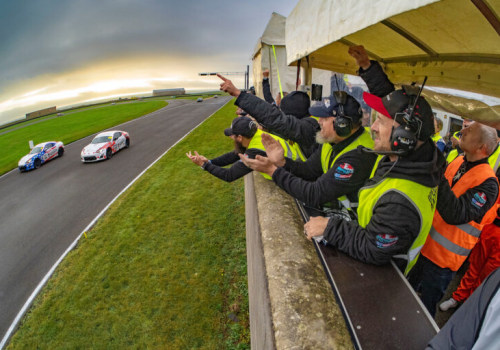
In amateur motorsport events, the atmosphere is often more relaxed and personal.Fans typically have closer access to the drivers and teams, allowing for direct interaction. This can include:
- Meet-and-greets: Fans often have opportunities to meet drivers, take photos, and get autographs.
- Open paddock access: Spectators can walk through the pits, observe car setups, and engage with team members.
- Community involvement: Local events often encourage fan participation through volunteer opportunities or fan-driven activities.
Audience Experience in Professional Motorsport
Conversely, professional motorsport events tend to focus on a more polished spectator experience. While they may lack the intimate interactions found in amateur events, they compensate with:- Sophisticated facilities: Professional venues often feature state-of-the-art amenities, including luxury seating, hospitality suites, and high-quality concessions.
- Enhanced entertainment: These events frequently include pre-race shows, live music, and interactive displays that engage fans beyond just the race itself.
- Digital engagement: Many professional series utilize social media and apps to keep fans informed with real-time updates, driver stats, and behind-the-scenes content.
FAQs About Motorsport Events
Understanding the differences between amateur and professional motorsport events can be crucial for fans and participants alike.Here are some frequently asked questions that help clarify these distinctions:
- What defines an amateur motorsport event? An amateur motorsport event is typically organized for enthusiasts who participate for fun, skill development, or local competition. These events often have fewer regulations and lower entry fees, making them accessible to a wider audience.
- How do professional motorsport events differ? Professional motorsport events are characterized by strict regulations, high levels of competition, and significant financial backing. Participants often include seasoned drivers and teams that compete for championships and sponsorships.
- Can amateurs compete in professional events? While it is rare, some amateur drivers may qualify for professional events through talent identification programs or by achieving notable success in amateur competitions. However, they must meet specific criteria set by the governing bodies.
- What are the costs associated with each type of event? Amateur motorsport events generally have lower costs, including entry fees and equipment expenses.
In contrast, professional events can involve substantial investments in vehicles, technology, and team support.
- Are safety standards different between amateur and professional events? Yes, safety standards tend to be more stringent in professional motorsport events. Professional organizations enforce rigorous safety protocols to protect drivers and spectators, while amateur events may have more lenient guidelines.
Conclusion: Summarizing the Key Differences in Motorsport Events
In conclusion, understanding the differences between amateur and professional motorsport events is crucial for enthusiasts and participants alike. Throughout this discussion, we have highlighted several key distinctions that set these two categories apart.1.Level of Competition: One of the most significant differences lies in the level of competition.Professional motorsport events
attract highly skilled drivers who often compete at national or international levels, while amateur events are typically more accessible, allowing novice drivers to participate and gain experience.2.Regulations and Standards: Professional events are governed by strict regulations set by recognized bodies such as the FIA or NASCAR, ensuring safety and fairness.In contrast, amateur events may have more relaxed rules, which can vary widely depending on the organizing body.3.Financial Investment: The financial commitment required for professional motorsport is substantial, encompassing costs for advanced vehicles, sponsorships, and team support. Amateur participants usually face lower costs, often using personal vehicles and relying on minimal sponsorship.4.Audience and Exposure: Professional motorsport events typically draw larger audiences and receive extensive media coverage, enhancing the visibility of drivers and teams. Amateur events may have a more localized following, with less media attention.5.Skill Development: For many, amateur motorsport serves as a stepping stone to professional racing. Participants can hone their skills in a less pressured environment before transitioning to higher levels of competition. In summary, while both amateur and professional motorsport events share a passion for racing, they differ significantly in terms of competition level, regulations, financial investment, audience engagement, and skill development opportunities.
Recognizing these differences can help aspiring racers choose the right path for their motorsport journey.