Motorsport events are not merely competitions of speed and skill; they are vibrant celebrations that reflect the cultural fabric of the regions in which they take place. From the roaring engines of Formula 1 to the thrilling dirt tracks of rally racing, these events draw fans from all walks of life, uniting them in a shared passion for adrenaline and excitement. The cultural significance of motorsport extends beyond the racetrack, as these events often embody local traditions, values, and community spirit. Each motorsport event carries with it a unique set of traditions and rituals that enhance the experience for participants and spectators alike. For instance, the Monaco Grand Prix is not just a race; it is a glamorous affair steeped in luxury and prestige, where traditions such as the iconic yacht parties and celebrity sightings create an atmosphere unlike any other.
Similarly, events like the Indianapolis 500 are marked by rituals such as the singing of "Back Home Again in Indiana" before the race, which fosters a deep sense of belonging among fans. As we delve deeper into the world of motorsport events, we will uncover some of these fascinating traditions and rituals that not only elevate the excitement but also serve as a testament to the rich cultural heritage associated with motorsports. Understanding these elements allows us to appreciate how motorsport transcends mere competition, becoming a vital part of community identity and cultural expression.
The Rituals of Formula 1: A Closer Look
Formula 1 is not just about speed and competition; it is steeped in traditions and rituals that enhance the experience for both fans and participants. One of the most iconic rituals is the podium ceremony , which takes place after each race. Here, the top three drivers are celebrated with national anthems, trophies, and champagne showers.This moment not only signifies victory but also showcases the camaraderie and respect among competitors.Another significant tradition is the pre-race parade , where drivers take to the track in their cars before the race begins. This event allows fans to see their favorite drivers up close and creates an electric atmosphere filled with anticipation. The parade often features a mix of celebrity appearances and fan interactions, making it a highlight of the race weekend.
Team celebrations
also play a crucial role in F1 culture. After a successful race, teams often engage in spontaneous celebrations, which can include everything from team dinners to elaborate parties.
These moments foster team spirit and reflect the hard work that goes into each race.The grid walk , where drivers and team principals interact with media and fans just before the race, is another unique custom. This ritual not only builds excitement but also provides insights into the personalities behind the helmets, allowing fans to connect with their heroes on a personal level.Lastly, many teams have their own unique rituals, such as specific warm-up routines or superstitions that they believe bring them luck. These customs add a layer of personality to each team and contribute to the rich tapestry of motorsport events.
NASCAR: Celebrating Tradition on the Track
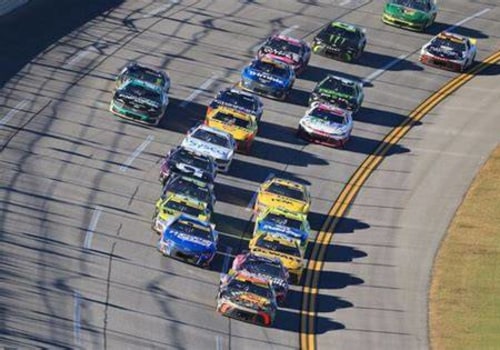
NASCAR events are not just about high-speed racing; they are steeped in tradition and rituals that enhance the experience for fans and participants alike. One of the most iconic traditions is the performance of the National Anthem before each race.This moment serves as a powerful reminder of patriotism and unity, often featuring local artists or notable figures who resonate with the community.Another significant aspect of NASCAR culture is the pre-race ceremonies. These ceremonies often include driver introductions, where fans get to cheer for their favorite racers as they are introduced on stage. This creates an electric atmosphere, fostering a sense of connection between the drivers and their supporters.
- Fan Engagement Practices: NASCAR has a unique way of engaging fans that goes beyond just watching the race. Events like the Driver Meet and Greet allow fans to interact with their favorite racers, take photos, and get autographs, making them feel like part of the NASCAR family.
- The Victory Lane Celebration: After a race, the winning driver celebrates in Victory Lane, a tradition that includes spraying champagne and hoisting trophies.
This moment is not only a personal triumph for the driver but also a shared celebration with fans who have supported them throughout the season.
- The "Start Your Engines" Command: The iconic phrase "Start your engines!" is another cherished ritual that signals the beginning of the race. This command is often delivered by special guests, adding an element of excitement and anticipation.
Rally Racing: The Spirit of Adventure and Tradition
Rally racing is not just about speed and skill; it is also steeped in unique traditions and rituals that enhance the experience for both participants and spectators. One of the most notable customs is the ceremonial start , where drivers and their teams gather to kick off the event in a festive atmosphere.This often includes a parade of cars, fan interactions, and sometimes even local music or dance performances, showcasing the culture of the host region.Another significant aspect of rally racing is the emphasis on team bonding activities. Teams often engage in pre-race rituals that strengthen their camaraderie. These can include shared meals, strategy discussions, and even light-hearted competitions among team members. Such activities not only build morale but also create a sense of unity that is crucial for success on the challenging rally stages.The influence of local culture is also evident in various rally customs.
For instance, in some regions, it is common for teams to participate in local festivals or community events leading up to the race. This interaction fosters goodwill and allows teams to connect with fans on a personal level. Additionally, some rallies incorporate traditional blessings or ceremonies to ensure safe travels and good fortune during the event.Moreover, many rallies feature unique awards or trophies that reflect local heritage. For example, winners might receive handcrafted items or regional specialties that symbolize their victory.
This practice not only honors the winners but also celebrates the rich cultural tapestry that surrounds each rally.In summary, the traditions and rituals associated with rally racing contribute significantly to its allure. They create an immersive experience that goes beyond mere competition, allowing participants and fans alike to celebrate the spirit of adventure and community inherent in this thrilling motorsport.
MotoGP: The Thrill of Speed and Its Associated Rituals
The world of MotoGP is not just about high-speed racing; it is also rich with unique traditions and rituals that enhance the experience for riders, teams, and fans alike. These customs contribute to the vibrant culture surrounding this thrilling motorsport event.Rider Superstitions
Many riders have their own personal superstitions that they adhere to before a race. For instance, some may wear a specific piece of clothing or carry a lucky charm.Valentino Rossi, one of the sport's most iconic figures, is known for his ritual of touching the ground with his hand before each race, a gesture that symbolizes respect for the track and a reminder of his roots.
Team Celebrations
After a successful race, teams often engage in celebratory rituals that strengthen camaraderie and boost morale. One popular tradition is the team huddle, where team members gather to share their thoughts and celebrate their achievements. This moment not only fosters unity but also serves as a way to reflect on the race and strategize for future events.Fan Interactions
The connection between fans and riders is another essential aspect of MotoGP culture. Fans often participate in unique rituals, such as creating elaborate banners or wearing team colors to show their support.At many events, fans gather in designated areas to cheer on their favorite riders during practice sessions, creating an electrifying atmosphere that adds to the excitement of the race weekend.
- Pre-Race Rituals: Many riders engage in specific warm-up routines or mental preparations before hitting the track.
- Victory Lap: After winning, riders often perform a victory lap, waving to fans and celebrating their success.
- Podium Celebrations: The podium ceremony is filled with traditions, including spraying champagne and wearing special caps that signify their achievements.
IndyCar: A Blend of Tradition and Innovation
The IndyCar series, particularly the iconic Indianapolis 500, is steeped in rich traditions that have evolved over the years while embracing modern innovations. One of the most celebrated rituals is the start of the race, which features the famous "Back Home Again in Indiana" song sung by a local artist, creating an emotional connection with fans and participants alike. This tradition not only honors the state’s heritage but also sets a nostalgic tone for the event.Another unique custom is the winner's drink of milk.Since 1936, the winning driver has been presented with a bottle of milk in victory lane, symbolizing purity and tradition. This ritual has become a hallmark of the Indy 500, with drivers often choosing between whole, 2%, or skim milk, adding a personal touch to this time-honored practice.The Indy 500 Parade is another significant event leading up to race day, showcasing the drivers and their teams as they travel through downtown Indianapolis. This parade not only celebrates the sport but also engages the local community, fostering a sense of unity and excitement.In recent years, technological advancements have also made their mark on IndyCar traditions. The introduction of advanced telemetry systems allows teams to gather real-time data during races, enhancing strategy and performance.
Additionally, fan engagement has been revolutionized through social media platforms, where followers can interact with teams and drivers like never before.As IndyCar continues to innovate, it remains committed to preserving its cherished traditions. The blend of heritage and modernity not only enriches the experience for fans but also ensures that each race remains a celebration of speed, skill, and community spirit.
The Role of Local Culture in Shaping Motorsport Traditions
Motorsport events are not just about speed and competition; they are deeply intertwined with the local culture of the regions where they take place. Each event often reflects the unique traditions, values, and history of its locale, creating a rich tapestry of rituals that enhance the spectator experience.Regional Influences on Motorsport Traditions
- Local Cuisine: Many motorsport events feature local food vendors that offer traditional dishes, allowing attendees to savor the flavors of the region. For instance, at the Daytona 500, fans can enjoy Southern specialties like barbecue and fried chicken.
- Cultural Performances: Events often include performances that showcase local music and dance.
The Monaco Grand Prix, for example, is known for its glamorous atmosphere, often featuring live performances from renowned artists that reflect the opulence of the region.
- Community Involvement: Local communities frequently participate in motorsport events through parades or exhibitions. The Pikes Peak International Hill Climb sees local artists and craftsmen displaying their work, fostering a sense of pride and connection among residents.
The Impact of Cultural Heritage
The cultural heritage of a region can significantly shape the rituals observed during motorsport events. For example, in Japan, the Tokyo Auto Salon celebrates not only automotive innovation but also Japanese pop culture, blending car enthusiasts with anime and gaming influences. This fusion creates a unique atmosphere that attracts diverse audiences.
Rituals and Superstitions
Many motorsport events are steeped in local superstitions and rituals that add an intriguing layer to the competition.
In some cultures, drivers may perform specific rituals before a race for good luck. For instance, in parts of Latin America, it is common for drivers to bless their cars with a religious symbol or perform a small prayer before hitting the track.In conclusion, the influence of local culture on motorsport events is profound and multifaceted. From culinary delights to community engagement and unique rituals, these elements not only enhance the experience for fans but also celebrate the rich cultural diversity found within the world of motorsport.
Frequently Asked Questions About Motorsport Traditions
Motorsport events are not just about speed and competition; they are steeped in rich traditions and rituals that enhance the experience for both participants and fans. Here are some frequently asked questions regarding these unique customs:What are some common traditions in motorsport events?
Many motorsport events feature distinctive traditions that have been passed down through generations.For instance:
- Victory Lap: After winning a race, drivers often take a victory lap to celebrate their achievement with fans.
- Pre-Race Ceremonies: Events like the Indianapolis 500 include elaborate pre-race ceremonies, featuring national anthems, flyovers, and celebrity appearances.
- Team Colors and Logos: Teams often have specific colors and logos that represent their identity, creating a sense of unity and pride among fans.
Are there any specific rituals that drivers follow?
Drivers often have personal rituals they adhere to before a race. These can include:- Lucky Charms: Some drivers carry lucky charms or wear specific items of clothing believed to bring good fortune.
- Warm-Up Routines: Many drivers engage in physical warm-up routines to prepare their bodies for the intense demands of racing.
How do these traditions enhance the fan experience?
The traditions associated with motorsport events create a deeper connection between fans and the sport. They foster a sense of community and belonging, as spectators participate in shared experiences. Additionally, these rituals often add an element of excitement and anticipation, making each event memorable. In conclusion, understanding the traditions and rituals of motorsport events enriches the overall experience for fans and participants alike, highlighting the cultural significance behind the adrenaline-fueled action on the track.Conclusion: The Enduring Legacy of Motorsport Traditions
As we reflect on the unique traditions and rituals that enrich motorsport events, it becomes clear that these practices are more than mere customs; they are the lifeblood of the motorsport community.From the ceremonial starting lights to the jubilant celebrations of victory, each tradition serves to enhance the experience for both participants and fans alike.The significance of these rituals lies in their ability to foster a sense of belonging and continuity within the sport. For instance, the pre-race ceremonies at events like the Indianapolis 500 not only honor the history of racing but also unite fans in a shared moment of anticipation and excitement. Similarly, the victory lap is a time-honored tradition that allows drivers to connect with their supporters, reinforcing the emotional ties that make motorsport so compelling.Moreover, preserving these traditions is crucial for future generations. As new technologies and formats emerge in the world of motorsport, maintaining a link to the past ensures that the essence of racing remains intact.
It is essential for organizers, teams, and fans to actively participate in keeping these rituals alive, as they embody the spirit of competition and camaraderie that defines motorsport.In conclusion, the enduring legacy of motorsport traditions is a testament to the sport's rich history and cultural significance. By cherishing and promoting these unique practices, we not only honor those who have come before us but also pave the way for a vibrant future in motorsport. As we look ahead, let us commit to celebrating these traditions, ensuring they continue to inspire passion and unity among all who love this exhilarating sport.