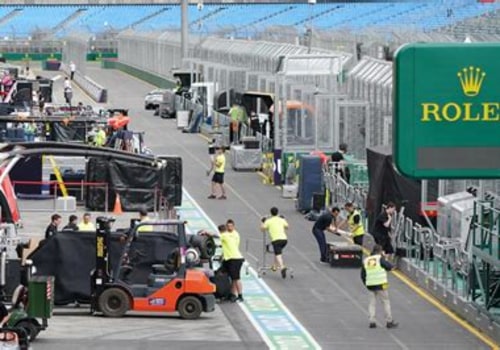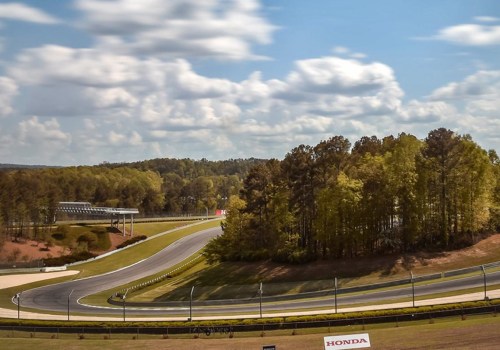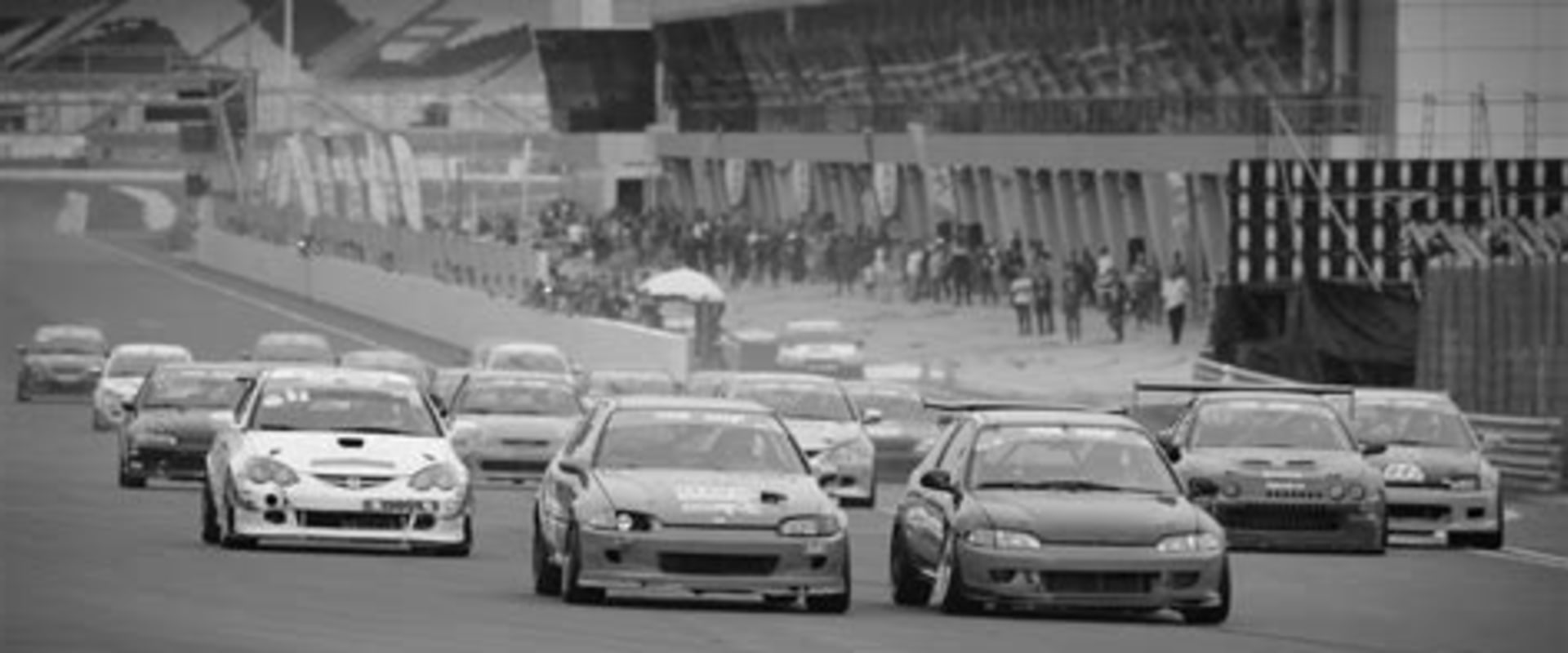
Motorsport events are thrilling spectacles that captivate audiences around the globe, showcasing the pinnacle of speed, skill, and engineering. These events range from Formula 1 races to rally competitions, motocross, and even karting. Each type of motorsport event offers a unique experience, attracting diverse fan bases and fostering a vibrant community of enthusiasts. The significance of these events extends beyond mere entertainment; they serve as platforms for innovation in automotive technology and promote a culture of competition and sportsmanship. The importance of motorsport events cannot be overstated.
They not only provide thrilling entertainment but also contribute significantly to local economies through tourism, sponsorships, and merchandise sales. Additionally, these events often highlight advancements in safety and sustainability within the automotive industry, making them crucial for both fans and manufacturers alike. As we delve deeper into the role of media coverage in promoting these exhilarating events, it becomes clear that effective communication strategies are essential for maximizing their reach and impact. In an age where information is at our fingertips, the way motorsport events are presented to the public can greatly influence their popularity and success. Media coverage plays a pivotal role in shaping public perception, generating excitement, and ultimately driving attendance.
By understanding the various types of motorsport events and their significance, we can better appreciate how media serves as a bridge between the sport and its fans.
The Role of Media in Motorsport
The role of media in the world of motorsport events is multifaceted, serving as a crucial bridge between the sport and its audience. Media coverage not only informs fans about upcoming races and results but also shapes their perceptions and emotional connections to the sport.One of the primary functions of media in motorsport is to provide extensive coverage of events. This includes live broadcasts, highlights, interviews, and behind-the-scenes content that brings fans closer to the action. Such coverage enhances the viewing experience, allowing fans to engage with their favorite teams and drivers in real-time.Media Influence on Motorsport
- Building Fan Engagement: Through social media platforms, news articles, and video content, media outlets create a community around motorsport events.
Fans can share their thoughts, celebrate victories, and discuss strategies, fostering a sense of belonging.
- Attracting Sponsorships: Comprehensive media coverage increases visibility for sponsors. Brands are more likely to invest in motorsport when they see extensive media engagement, which translates into higher returns on investment.
- Shaping Public Perception: The way media portrays drivers and teams can significantly influence public opinion. Positive coverage can elevate a driver’s status, while negative stories can impact their reputation and marketability.
This shift not only broadens the audience base but also allows for more personalized engagement with the sport.In conclusion, the media's role in promoting motorsport events is indispensable. It not only enhances fan engagement but also drives sponsorship opportunities and shapes public perception. As technology continues to evolve, so too will the ways in which media influences the motorsport landscape.
Types of Media Coverage for Motorsport Events
Media coverage plays a crucial role in the promotion of motorsport events, utilizing various platforms to reach diverse audiences. Understanding the types of media coverage available can help organizers maximize their event's visibility and engagement.Traditional Media
- Television: One of the most impactful forms of media coverage, television broadcasts allow fans to experience the thrill of motorsport events from the comfort of their homes.
Major networks often provide live coverage, pre-race shows, and post-event analysis, which can significantly boost viewership and interest.
- Radio: While not as dominant as television, radio coverage remains relevant, especially for local events. Sports radio stations often provide live commentary and updates, catering to audiences who prefer audio content.
Digital Media
- Social Media: Platforms like Facebook, Twitter, Instagram, and TikTok have transformed how motorsport events are promoted. Teams and organizers can share real-time updates, behind-the-scenes content, and engage directly with fans through interactive posts and live streams.
- Blogs and Websites: Dedicated motorsport blogs and official event websites serve as valuable resources for fans seeking in-depth analysis, interviews with drivers, and event previews. These platforms can enhance SEO efforts, driving organic traffic to event pages.
- YouTube: Video content is increasingly popular among motorsport enthusiasts.
Highlight reels, race recaps, and driver interviews on YouTube can attract a younger audience and create a community around the sport.
Benefits of Media Coverage for Motorsport Events
Media coverage plays a pivotal role in the success of motorsport events, offering numerous benefits that extend beyond mere visibility. One of the primary advantages is the increased visibility that comes with extensive media exposure.When events are covered by television, radio, and online platforms, they reach a broader audience, attracting not only die-hard fans but also potential newcomers who may not have previously engaged with the sport.Moreover, media coverage enhances audience engagement. Through interviews, behind-the-scenes footage, and live commentary, fans feel more connected to the events and the athletes. This engagement fosters a sense of community among fans, encouraging them to participate in discussions on social media and other platforms. As a result, motorsport events can cultivate a loyal fan base that is eager to attend future races.Another significant benefit is the creation of sponsorship opportunities.
Brands are more likely to invest in motorsport events that receive substantial media attention. The visibility provided by media coverage allows sponsors to showcase their products and services to a targeted audience, making it an attractive investment. This financial support is crucial for the sustainability and growth of motorsport events.In addition to these benefits, media coverage can also enhance the overall perception of motorsport. Positive stories and highlights can elevate the status of the sport, attracting more participants and fans.
Furthermore, effective storytelling through media can highlight the thrilling aspects of motorsport, making it more appealing to a wider demographic.In conclusion, the role of media coverage in promoting motorsport events cannot be overstated. From increasing visibility and fostering audience engagement to creating valuable sponsorship opportunities, the impact of media is profound and multifaceted. As motorsport continues to evolve, leveraging media effectively will be essential for its growth and popularity.
Case Studies: Successful Media Coverage in Motorsport
Media coverage plays a pivotal role in the success of motorsport events, and several case studies illustrate how effective promotion strategies can lead to increased visibility and attendance. Here are a few notable examples:1.The Monaco Grand Prix
The Monaco Grand Prix is one of the most prestigious events in the Formula 1 calendar.Its media coverage is extensive, featuring live broadcasts, social media engagement, and behind-the-scenes content. The event attracts millions of viewers worldwide, thanks to its glamorous setting and high-profile participants. The strategic use of social media platforms has allowed organizers to engage with fans in real-time, creating a buzz that significantly boosts ticket sales and viewership.
2.The Dakar Rally
The Dakar Rally is another prime example where media coverage has transformed the event into a global phenomenon. With extensive television coverage and a strong online presence, the rally reaches audiences far beyond its physical location.The use of live streaming and daily highlight reels keeps fans engaged throughout the event, while partnerships with major media outlets ensure that stories about competitors and their challenges are widely disseminated.
3.NASCAR's Marketing Strategy
NASCAR has successfully leveraged media coverage to promote its events through various channels, including television, radio, and digital platforms. Their partnership with networks like NBC and FOX has resulted in comprehensive coverage that not only showcases races but also highlights driver stories and fan experiences. This approach has helped NASCAR maintain a loyal fan base while attracting new viewers.In conclusion, these case studies demonstrate that successful media coverage is essential for promoting motorsport events. By utilizing a mix of traditional and digital media strategies, event organizers can enhance visibility, engage audiences, and ultimately drive attendance and participation.Challenges Faced by Media in Covering Motorsport Events
Covering motorsport events presents a unique set of challenges for media outlets, which can hinder effective promotion and audience engagement.Understanding these challenges is crucial for improving coverage and maximizing the impact of these thrilling events.
Logistical Issues
One of the primary hurdles in motorsport media coverage is the logistical complexity involved in reporting from race venues. These events often take place in remote locations, requiring significant travel and setup time for media teams. Additionally, the fast-paced nature of motorsport means that journalists must be prepared to adapt quickly to changing conditions, such as weather or technical difficulties.Competition from Other Sports
The sports media landscape is highly competitive, with numerous events vying for attention.Motorsport events
often compete with more mainstream sports like football and basketball, which can overshadow them in terms of media coverage.This competition can lead to limited airtime and fewer resources allocated to motorsport reporting.
Technical Barriers
Another significant challenge is the technical aspect of covering motorsport events. High-speed races require advanced technology for capturing footage and providing real-time updates. Media outlets must invest in high-quality equipment and skilled personnel to ensure accurate and engaging coverage, which can be a barrier for smaller organizations.Access Restrictions
Access to drivers, teams, and behind-the-scenes activities is often restricted, making it difficult for media to gather comprehensive stories. This limitation can result in a lack of depth in coverage, as journalists may struggle to provide insights beyond the race results. In conclusion, while motorsport events offer exciting content for media outlets, the challenges they face—from logistical issues to competition and technical barriers—must be addressed to enhance coverage and promote these thrilling events effectively.The Future of Media Coverage in Motorsport Events
As we look towards the future of media coverage in motorsport events, several key trends are emerging that promise to reshape how fans engage with their favorite sports.The rapid pace of digital transformation is at the forefront of these changes, driven by advancements in technology and shifting audience preferences.
1.Enhanced Digital Experiences
- The rise of streaming platforms has revolutionized how fans consume motorsport content. Live broadcasts, on-demand replays, and exclusive behind-the-scenes footage are becoming standard offerings.
- Virtual and augmented reality technologies are set to provide immersive experiences, allowing fans to feel as if they are part of the action, whether they are at the track or watching from home.
2.Personalized Content Delivery
- With the help of data analytics, media outlets can tailor content to individual preferences, ensuring that fans receive updates and highlights that matter most to them.
- This personalization extends to social media platforms, where targeted advertising and content curation can enhance fan engagement and loyalty.
3.Interactive Engagement
- The future of motorsport media will likely see increased interactivity, with fans participating in live polls, Q&A sessions with drivers, and real-time commentary during races.
- This two-way communication fosters a sense of community among fans and enhances their overall experience.
4.Sustainability and Ethical Reporting
- As environmental concerns grow, media coverage will increasingly focus on sustainability initiatives within motorsport. Highlighting eco-friendly practices can attract a broader audience who values corporate responsibility.
- Ethical reporting will also gain prominence, with a focus on transparency and integrity in how events are covered.
FAQs About Media Coverage and Motorsport Events
Media coverage plays a crucial role in the promotion and success of motorsport events.Here are some frequently asked questions that delve into this relationship:
- How does media coverage impact the visibility of motorsport events?
Media coverage significantly enhances the visibility of motorsport events by reaching a broader audience. Television broadcasts, online streaming, and social media platforms allow fans from around the world to engage with the events, increasing attendance and viewership. - What types of media are most effective for promoting motorsport events?
Various forms of media contribute to promoting motorsport events, including traditional outlets like television and radio, as well as digital platforms such as social media, blogs, and podcasts. Each medium has its unique advantages, allowing for diverse engagement strategies. - How does social media influence fan engagement during motorsport events?
Social media platforms enable real-time interaction between fans and teams or drivers. This engagement fosters a sense of community and excitement around motorsport events, encouraging more people to participate both online and offline. - Can media coverage affect sponsorship opportunities for motorsport events?
Yes, extensive media coverage can attract potential sponsors by showcasing the popularity and reach of motorsport events.Brands are more likely to invest in events that demonstrate high visibility and fan engagement.
- What role do press releases play in promoting motorsport events?
Press releases are essential for informing the media about upcoming motorsport events, providing key details that can lead to coverage. They help generate buzz and keep the public informed about schedules, participants, and special features.
Conclusion: The Essential Role of Media Coverage in Motorsport Promotion
In conclusion, the role of media coverage in promoting motorsport events cannot be overstated. Throughout this article, we have explored how effective media strategies not only enhance visibility but also engage a broader audience, ultimately driving attendance and participation.Key Takeaways:
- Increased Visibility: Media coverage ensures that motorsport events reach potential fans and participants who may not be aware of them otherwise.
- Engagement with Fans: Through various platforms, media creates a dialogue between teams, drivers, and fans, fostering a community around the sport.
- Sponsorship Opportunities: Enhanced media presence attracts sponsors looking to capitalize on the exposure that comes with well-promoted events.
- Highlighting Stories: Media coverage brings to light the personal stories of drivers and teams, making the events more relatable and compelling to audiences.
The future of motorsport promotion lies in innovative media strategies that not only inform but also inspire fans around the globe.Ultimately, as we have seen, a well-executed media strategy can transform a local race into a global spectacle, ensuring that motorsport events continue to thrive in an increasingly competitive entertainment landscape.