In recent years, the rise of social media has dramatically reshaped the landscape of motorsport events, creating a dynamic intersection that has transformed how fans engage with their favorite sports. Platforms like Twitter, Instagram, and Facebook have become essential tools for teams, drivers, and event organizers to connect with audiences in real-time. This shift has not only increased visibility for motorsport events but has also fostered a sense of community among fans, allowing them to share their experiences and opinions instantly. The impact of social media on motorsport events extends beyond mere communication; it has revolutionized marketing strategies and fan engagement. With the ability to share live updates, behind-the-scenes content, and interactive polls, social media platforms have enabled a more immersive experience for fans.
This engagement is crucial in attracting younger audiences who are increasingly turning to digital platforms for entertainment. As a result, motorsport organizations are leveraging these channels to enhance their reach and cultivate a loyal fan base. Moreover, the viral nature of social media content means that a single post can significantly amplify the popularity of an event overnight. Memorable moments captured during races can quickly become trending topics, drawing in viewers who may not have previously followed motorsport events. This phenomenon highlights the power of social media as a catalyst for growth within the motorsport industry, making it imperative for stakeholders to adapt to this evolving landscape.
The Evolution of Motorsport Events in the Digital Age
The history of motorsport events dates back to the late 19th century, with the first organized races taking place in Europe.These early competitions were often informal and attracted a niche audience. However, as the popularity of automobiles grew, so did the scale and organization of these events. By the mid-20th century, motorsport had evolved into a major entertainment industry, with iconic races like the Monaco Grand Prix and the Indianapolis 500 capturing global attention.With the advent of digital technology, particularly social media, the landscape of motorsport events has undergone a significant transformation. Platforms such as Facebook, Twitter, Instagram, and TikTok have revolutionized how fans engage with their favorite sports.
In the past, motorsport enthusiasts relied on television broadcasts and print media for updates and coverage. Today, they can access real-time information, behind-the-scenes content, and interactive experiences directly from their devices.Social media has not only enhanced fan engagement but has also provided a platform for teams and drivers to build their brands. For instance, drivers like Lewis Hamilton and Danica Patrick have leveraged their social media presence to connect with fans on a personal level, sharing insights into their lives beyond the racetrack. This direct interaction fosters a sense of community among fans and creates a more immersive experience surrounding motorsport events.Moreover, the digital transformation in motorsport has led to innovative marketing strategies.
Event organizers now utilize targeted advertising on social media to reach specific demographics, ensuring that promotions resonate with potential attendees. This shift has resulted in increased ticket sales and higher attendance at events.In conclusion, the evolution of motorsport events in the digital age highlights a significant shift from traditional forms of engagement to a more interactive and accessible model. As technology continues to advance, it will be fascinating to see how these changes further shape the future of motorsport.
How Social Media Platforms Have Changed Fan Engagement
The rise of social media platforms has revolutionized the way fans engage with motorsport events. Unlike traditional media, which often provided a one-way communication channel, platforms like Twitter, Instagram, and Facebook have created a dynamic environment where interaction is not only encouraged but expected.On Twitter, fans can follow their favorite teams, drivers, and events in real-time.This immediacy allows for instant updates and reactions during races, fostering a sense of community among followers. Hashtags related to specific events or drivers enable fans to join conversations and share their thoughts, making them feel more connected to the action on the track.Instagram, with its visual-centric approach, has transformed fan engagement by allowing teams and drivers to share behind-the-scenes content. Fans can see exclusive images and videos that showcase the lifestyle of their favorite racers, creating a more personal connection. The use of stories and reels also allows for quick updates that keep fans engaged even when they are not at the event.Facebook serves as a platform for deeper engagement through groups and event pages.
Fans can join communities dedicated to their favorite motorsport series or teams, where they can discuss strategies, share news, and even organize meet-ups. This sense of belonging enhances the overall experience of following motorsport events.Moreover, social media has enabled live interactions during events. Fans can participate in polls, Q&A sessions, and live chats with drivers or commentators. This level of interaction not only enhances fan experience but also increases the visibility of motorsport events, attracting new audiences who may not have previously engaged with the sport.In summary, social media platforms have fundamentally changed how fans interact with motorsport events.
By fostering real-time communication, providing exclusive content, and creating communities, these platforms have significantly boosted fan engagement and contributed to the growing popularity of motorsport.
Case Studies: Successful Use of Social Media in Motorsport Events
Social media has revolutionized the way motorsport events engage with fans, and several case studies illustrate this transformation effectively. Here are some notable examples of successful social media campaigns in the motorsport industry:1.Formula 1's Social Media Strategy
Formula 1 has embraced social media to enhance fan engagement and broaden its audience. The sport's official channels, including Twitter, Instagram, and TikTok, have been pivotal in sharing real-time updates, behind-the-scenes content, and driver interactions. For instance, during the 2020 season, F1 launched the #F1WatchParty campaign on Twitter, encouraging fans to watch races together virtually.This initiative not only increased viewership but also fostered a sense of community among fans.
2.NASCAR's Interactive Campaigns
NASCAR has effectively utilized social media to create interactive experiences for fans. One standout campaign was the "NASCAR Fan Vote" on Twitter, where fans could vote for their favorite drivers to participate in special events. This campaign not only boosted engagement but also increased ticket sales for the events involved. By leveraging user-generated content and encouraging fan participation, NASCAR successfully strengthened its connection with its audience.3.MotoGP's Use of Instagram Stories
MotoGP has harnessed the power of Instagram Stories to provide fans with exclusive content that enhances their viewing experience.During race weekends, the organization shares live updates, rider interviews, and track insights through Stories. This approach keeps fans informed and engaged while also driving traffic to their main website for more detailed coverage. The use of polls and questions in Stories has further encouraged interaction, making fans feel like part of the action.
4.Rallycross's Viral Challenges
The FIA World Rallycross Championship launched a viral challenge on TikTok that encouraged fans to showcase their driving skills in a fun and creative way. Participants were asked to post videos of themselves performing stunts or tricks with their cars using a specific hashtag.This campaign not only generated buzz around the events but also attracted a younger demographic to the sport, demonstrating how innovative social media strategies can expand reach.These case studies highlight how motorsport events can leverage social media platforms to enhance fan engagement, drive ticket sales, and create a vibrant community around their brands. By adopting creative strategies that resonate with audiences, motorsport organizations can significantly boost their popularity and visibility in an increasingly digital world.
The Role of Influencers and Content Creators in Promoting Motorsport Events
In recent years, the rise of motorsport influencers and content creators has significantly transformed the way motorsport events are promoted and perceived. These individuals leverage their social media platforms to reach vast audiences, creating a direct line of communication between fans and the events they love.Influencers
in the motorsport realm often have a dedicated following that trusts their opinions and recommendations. By sharing their experiences at various events, they can generate excitement and anticipation among their followers.This organic promotion is particularly effective because it feels more authentic than traditional advertising methods.
- Engagement: Influencers engage with their audience through live streams, Q&A sessions, and behind-the-scenes content, making fans feel like they are part of the action.
- Visual Content: High-quality images and videos shared by content creators can showcase the thrill of motorsport events, attracting new fans who may not have previously been interested.
- Event Coverage: Many influencers attend races and provide real-time updates, which can enhance the viewing experience for fans who cannot attend in person.
Their ability to connect with audiences on a personal level not only boosts attendance but also fosters a vibrant community around motorsport culture.
Challenges Faced by Motorsport Events in the Social Media Landscape
As the popularity of motorsport events continues to grow, so too do the challenges associated with marketing and fan engagement in the social media landscape. While platforms like Twitter, Instagram, and Facebook offer unprecedented opportunities for outreach, they also present unique hurdles that event organizers must navigate.- Negative Feedback: One of the most significant challenges is managing negative feedback. Fans are quick to voice their opinions online, and a single misstep can lead to a viral backlash. This can be particularly damaging for motorsport events, where public perception is crucial.
Organizers must be prepared to address criticism promptly and transparently to maintain their reputation.
- Misinformation: The rapid spread of misinformation is another pressing issue. False reports about event cancellations, driver injuries, or rule changes can circulate quickly on social media, leading to confusion among fans. Motorsport organizations need to establish clear communication channels to counteract misinformation and provide accurate updates.
- Fan Engagement: Engaging fans in a meaningful way is essential but can be challenging. With so much content vying for attention on social media, it can be difficult for motorsport events to stand out.
Organizers must create compelling content that resonates with their audience while also encouraging interaction and participation.
- Content Saturation: The sheer volume of content available on social media can dilute the impact of marketing efforts. Fans are bombarded with information from various sources, making it harder for motorsport events to capture their interest. To combat this, event organizers need to develop unique strategies that highlight what sets their events apart.
Future Trends: The Next Phase of Social Media and Motorsport Events
As we look to the future, the intersection of social media and motorsport events is poised for significant evolution.The rapid advancement of technology and changing consumer behaviors suggest that the way fans engage with motorsport will continue to transform dramatically.
Emerging Platforms and Technologies
New social media platforms are constantly emerging, each offering unique features that can enhance fan engagement. For instance, platforms like TikTok are gaining traction among younger audiences, providing opportunities for motorsport events to reach a demographic that traditionally may not have engaged with the sport. Short-form video content showcasing highlights, behind-the-scenes footage, and driver interactions can create a more personal connection with fans.Augmented Reality (AR) and Virtual Reality (VR)
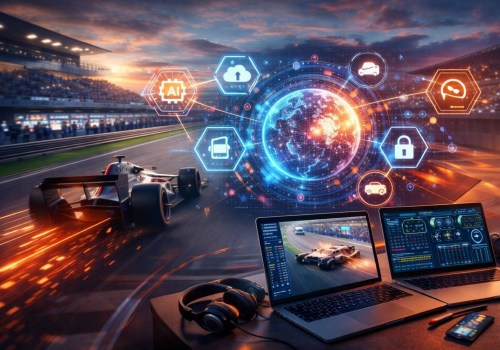
The integration of augmented reality (AR) and virtual reality (VR) into social media could revolutionize how fans experience motorsport events. Imagine being able to attend a race virtually, feeling as if you are in the stands or even in the driver's seat.This immersive experience could be shared on social media, allowing fans to connect and share their experiences in real-time.
Data-Driven Engagement
As data analytics become more sophisticated, motorsport organizations can leverage insights from social media interactions to tailor their content and marketing strategies. By understanding what resonates with fans, they can create targeted campaigns that enhance engagement and drive attendance at events.Sustainability and Social Responsibility
The future of motorsport events will also likely see a greater emphasis on sustainability and social responsibility, driven by social media discourse. Fans are increasingly concerned about environmental issues, and motorsport organizations that actively promote their sustainability efforts through social media can enhance their brand image and attract a more conscientious audience.In conclusion, the future trends in motorsport events will be heavily influenced by advancements in social media technology. As these platforms evolve, they will offer new ways for fans to engage with their favorite sports, creating a more interactive and immersive experience that could redefine the landscape of motorsport.Conclusion: The Lasting Impact of Social Media on Motorsport Events
In conclusion, the influence of social media on the popularity of motorsport events is undeniable.Throughout this article, we have explored various dimensions of this impact, highlighting how platforms like Facebook, Twitter, Instagram, and TikTok have transformed the way fans engage with their favorite sports.
Enhanced Fan Engagement:
Social media has created a direct line of communication between fans and teams, allowing for real-time updates and interactions. This immediacy fosters a sense of community among fans, making them feel more connected to the events and the athletes.
Wider Reach:
The ability to share content instantly has enabled motorsport events to reach a global audience. Clips of thrilling races, behind-the-scenes footage, and driver interviews can go viral, attracting new fans who may not have previously engaged with the sport.
Influencer Collaborations:
The rise of social media influencers has also played a significant role in promoting motorsport events. Influencers can introduce motorsport to diverse audiences, leveraging their platforms to generate interest and excitement around upcoming races.
Data-Driven Insights:
Social media analytics provide valuable insights into fan preferences and behaviors.
This data allows event organizers to tailor their marketing strategies effectively, ensuring that they resonate with their target audience.
The Future of Motorsport Events:
As technology continues to evolve, so too will the relationship between social media and motorsport events. Innovations such as virtual reality experiences and interactive live streams are on the horizon, promising to further enhance fan engagement.Ultimately, the lasting impact of social media on motorsport events is characterized by increased visibility, enhanced fan interaction, and a broader demographic reach. As we move forward, it will be fascinating to see how these platforms continue to shape the landscape of motorsport.