Motorsport events are more than just thrilling displays of speed and skill; they represent a vibrant intersection of culture, community, and commerce. From the roaring engines of Formula 1 to the grassroots excitement of local dirt track racing, these events draw millions of fans worldwide, creating a unique atmosphere that fosters camaraderie and passion. The importance of motorsport extends beyond entertainment; it serves as a platform for innovation, showcasing advancements in automotive technology and safety that often trickle down to everyday vehicles. The economic significance of motorsport is profound. Major events attract not only spectators but also sponsors, media coverage, and tourism, generating substantial revenue for host cities.
Local businesses thrive during race weekends, with hotels, restaurants, and retailers experiencing a surge in demand. Additionally, the jobs created in event organization, logistics, and hospitality contribute to the local economy. When a major motorsport event is canceled, the ripple effects can be felt across various sectors, leading to lost income for businesses and diminished community engagement. Understanding the multifaceted role of motorsport events is crucial when evaluating their potential cancellation. The implications extend far beyond the racetrack; they touch on economic stability, community identity, and even technological progress.
As we delve deeper into the consequences of canceling such events, it becomes clear that their impact resonates well beyond the immediate fanfare.
Direct Economic Impact of Canceling Motorsport Events
The cancellation of a major motorsport event can have profound and immediate financial repercussions on various stakeholders involved. One of the most significant impacts is the loss of ticket sales. Fans who have purchased tickets in advance expect to attend the event, and when it is canceled, not only do they lose their investment, but the event organizers also miss out on substantial revenue. For instance, a single large-scale race can generate millions in ticket sales alone, which directly affects the bottom line of the organizing body.In addition to ticket sales, sponsorship revenue plays a crucial role in the financial ecosystem of motorsport events.Sponsors invest heavily in these events for brand exposure and marketing opportunities. When an event is canceled, sponsors may seek refunds or renegotiate contracts, leading to a significant loss of income for the organizers. This can create a ripple effect, as sponsors may reconsider their future investments in motorsport if they perceive a lack of reliability.Moreover, the cancellation affects local vendors and businesses that rely on the influx of visitors during these events. Hotels, restaurants, and retail shops often see a surge in business during major races.
A canceled event means lost bookings and foot traffic, which can be devastating for small businesses that depend on this seasonal boost. For example:
- Hotels may face empty rooms and lost reservations.
- Restaurants could see a significant drop in customers.
- Local retailers might miss out on increased sales from event attendees.
Indirect Economic Effects on Local Communities
The cancellation of a major motorsport event can have profound indirect economic impacts on local communities, often extending far beyond the immediate loss of ticket sales and sponsorship revenue. One of the most significant areas affected is motorsport tourism, which encompasses not only the fans who travel to attend the event but also the ancillary visitors who come for related activities.When a major race is scheduled, local hotels, restaurants, and entertainment venues typically experience a surge in business.The absence of such an event can lead to:
- Reduced Hotel Occupancy: Hotels that usually fill to capacity during race weekends may see significant drops in bookings, leading to lost revenue and potential layoffs.
- Decline in Restaurant Sales: Local eateries often benefit from increased foot traffic during events. Without these visitors, many establishments may struggle to maintain their usual sales levels.
- Impact on Retail Businesses: Shops that cater to motorsport fans, including merchandise stores and local vendors, may face decreased sales, affecting their overall viability.
- Job Losses: Temporary positions that support the event may disappear, leaving workers without income.
- Reduced Economic Activity: With fewer people in town, local businesses may cut back on hours or even close their doors permanently due to sustained losses.
Communities that rely heavily on motorsport tourism may find it challenging to recover from the loss of a major event. This can lead to a diminished reputation as a destination for future events, creating a cycle of economic decline that is difficult to reverse.In conclusion, the cancellation of a major motorsport event does not just affect the organizers and participants; it sends shockwaves through local economies, impacting businesses and communities that depend on the influx of visitors and associated spending.
Long-term Economic Consequences of Event Cancellation
The cancellation of a major motorsport event can have profound and lasting effects on both the motorsport industry and the local economies that depend on these events. While immediate financial losses are often highlighted, the long-term consequences can be even more significant.Long-term Effects on the Motorsport Industry
- Brand Loyalty and Sponsorships: Frequent cancellations can erode brand loyalty among fans and sponsors. Companies invest heavily in motorsport sponsorships, expecting a return on investment through visibility and engagement.
If events are canceled, sponsors may reconsider their commitments, leading to reduced funding for teams and events.
- Talent Development: The motorsport industry relies on a continuous influx of talent, from drivers to engineers. Cancellations disrupt the pipeline of opportunities for emerging talent, potentially leading to a skills gap in the future.
- Innovation Stagnation: Major events often serve as platforms for technological advancements. Without these events, the pace of innovation may slow, impacting the competitiveness of teams and manufacturers.
Impact on Local Economies
- Job Losses: Local businesses that thrive during motorsport events, such as hotels, restaurants, and retail shops, may face significant downturns. This can lead to job losses and reduced economic activity in the region.
- Tourism Decline: Major motorsport events attract tourists from around the world.
The cancellation of these events can result in a decline in tourism revenue, affecting not just direct businesses but also ancillary services like transportation and entertainment.
- Community Engagement: Motorsport events often foster community spirit and engagement. Their absence can lead to a sense of loss among residents who look forward to these gatherings, potentially diminishing community cohesion over time.
Case Studies: Notable Cancellations and Their Economic Impact
Understanding the economic ramifications of canceling motorsport events can be illustrated through several notable case studies.These examples highlight the ripple effects on local economies, businesses, and the motorsport industry as a whole.
Formula 1 Australian Grand Prix 2020
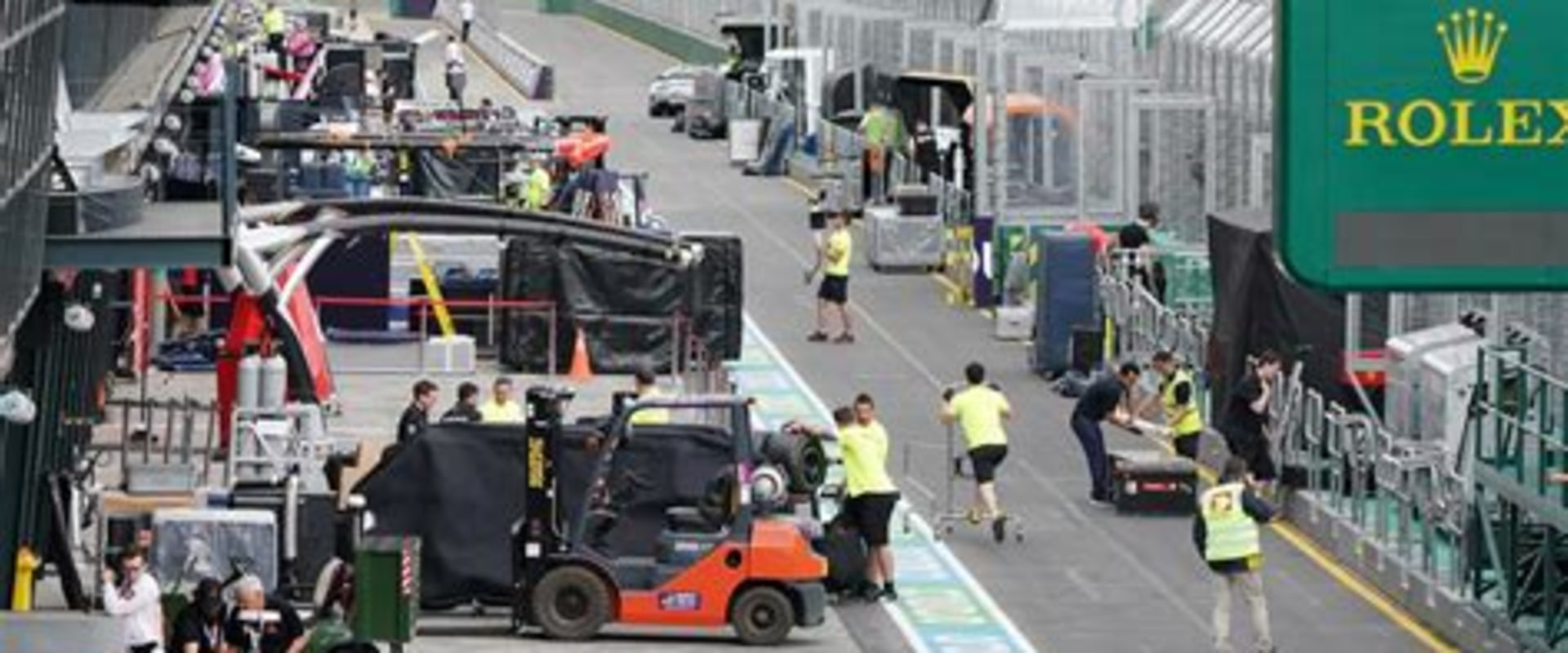
The cancellation of the 2020 Australian Grand Prix marked a significant moment in motorsport history, as it was one of the first major events to be called off due to the COVID-19 pandemic. The event typically attracts over 300,000 spectators, generating an estimated $50 million in economic activity for Melbourne. Local hotels, restaurants, and retailers faced immediate losses, with many small businesses reporting a downturn of up to 70% in revenue during the event weekend.NASCAR's 2020 Season Suspension
NASCAR's decision to suspend its 2020 season also serves as a critical case study. The series canceled several races, including the prestigious Daytona 500.The economic impact was profound, with estimates suggesting a loss of approximately $1 billion across the motorsport ecosystem. This included not only direct revenue losses from ticket sales but also significant declines in sponsorship and advertising revenues.
Le Mans 24 Hours Cancellation in 2020
The iconic Le Mans 24 Hours, scheduled for June 2020, was postponed and later held without fans. This cancellation affected not just the immediate financial inflow but also long-term brand loyalty and engagement. The event typically draws around 250,000 attendees, contributing an estimated $40 million to the local economy.The absence of fans meant lost opportunities for merchandise sales and hospitality services.These case studies illustrate that the cancellation of motorsport events can lead to substantial economic consequences that extend beyond immediate financial losses. They affect local businesses, employment rates, and even the broader perception of the region as a viable host for future events.
Mitigating Economic Losses: Strategies for Stakeholders
When a major motorsport event is canceled, the ripple effects can be felt across various sectors, from local businesses to national sponsors. To mitigate these economic losses, stakeholders must adopt proactive strategies that not only address immediate financial impacts but also pave the way for long-term recovery.Exploring Alternative Revenue Streams
One effective strategy is to explore alternative revenue streams. Stakeholders can pivot to virtual events, such as online racing competitions or fan engagement platforms, which can generate income through entry fees, sponsorships, and merchandise sales.Additionally, leveraging digital content—like behind-the-scenes footage or driver interviews—can attract sponsorship deals and keep fans engaged.
Community Engagement Initiatives
Engaging with the local community is another crucial aspect of mitigating losses. Organizing community events, such as car shows or charity races, can help maintain interest in the sport while fostering goodwill among local residents. These initiatives not only provide a platform for local businesses to thrive but also reinforce the connection between the motorsport community and its supporters.Collaboration with Sponsors and Partners
Stakeholders should also focus on strengthening relationships with sponsors and partners. Open communication about the challenges faced due to event cancellations can lead to renegotiated contracts or extended partnerships that benefit both parties.For instance, sponsors may be willing to support digital initiatives or community events in exchange for continued visibility and brand association.
Long-Term Economic Recovery Plans
Finally, developing a comprehensive economic recovery plan is essential. This plan should include strategies for future event planning that account for potential disruptions. By investing in flexible infrastructure and diversifying event offerings, stakeholders can better prepare for unforeseen circumstances while ensuring the sustainability of motorsport events.In conclusion, while the cancellation of a major motorsport event poses significant economic challenges, implementing these strategies can help stakeholders mitigate losses and foster resilience within the industry.FAQs About the Economic Impact of Motorsport Event Cancellations
When a major motorsport event is canceled, it raises numerous questions regarding its economic implications. Here are some frequently asked questions that help clarify the potential impacts:What are the immediate economic effects of canceling a motorsport event?
The immediate effects can be quite severe.Local businesses, including hotels, restaurants, and retail shops, often rely on the influx of visitors during these events. A cancellation can lead to:
- Loss of revenue for local businesses due to decreased foot traffic.
- Job losses in sectors that depend on event-related tourism.
- Reduced tax income for local governments from sales and occupancy taxes.
How does a canceled motorsport event affect sponsorship deals?
Sponsorships are crucial for the financial health of motorsport events. When an event is canceled:- Sponsors may withdraw their support, leading to financial instability for future events.
- Brands miss out on valuable marketing opportunities, which can affect their long-term strategies.
Are there long-term economic consequences?
Yes, the long-term consequences can be significant:- Reputation damage: A history of cancellations can deter future sponsors and participants.
- Decreased tourism: If an area becomes known for unreliable events, it may struggle to attract visitors in the future.
- Investment decline: Investors may be hesitant to fund future events if they perceive a high risk of cancellation.
Conclusion: The Broader Implications of Canceling Motorsport Events
In conclusion, the cancellation of motorsport events carries significant economic repercussions that extend far beyond the racetrack.These events are not merely entertainment; they are vital components of local economies, driving revenue through tourism, job creation, and community engagement. When a major motorsport event is canceled, the immediate financial impact is often felt by local businesses that rely on the influx of visitors. Hotels, restaurants, and retail shops experience a sharp decline in sales, which can lead to layoffs and even permanent closures. The ripple effect can be devastating, as these businesses contribute to the overall economic health of their communities.
Long-Term Economic Consequences
The long-term implications can be equally severe. A canceled event may tarnish a region's reputation as a premier destination for motorsport events, making it less likely for organizers to return in the future.This loss of reputation can deter potential investments and sponsorships, further stunting economic growth.
- Job Losses: Many jobs are directly tied to these events, from temporary staff to full-time positions in hospitality and service industries.
- Reduced Tax Revenue: Local governments depend on the tax revenue generated from these events to fund public services. A cancellation can lead to budget shortfalls.
- Community Engagement: Motorsport events often foster community spirit and pride. Their absence can diminish local engagement and participation in future events.