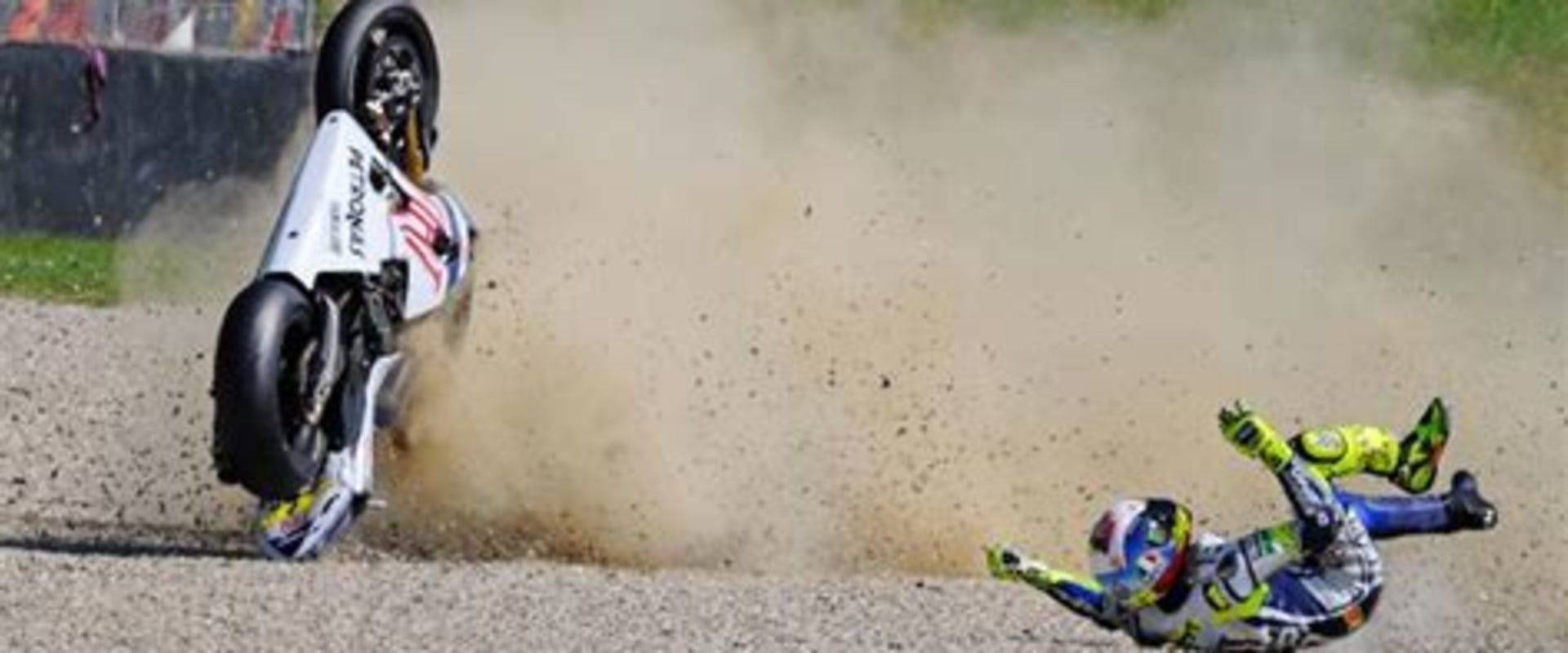
Motorsport events have captivated audiences around the globe, drawing in millions of fans who revel in the thrill of speed, competition, and the sheer spectacle of high-octane performances. From Formula 1 races to motocross competitions, these events showcase not only the skill of the drivers and riders but also the advanced engineering of their vehicles. However, beneath the excitement lies a stark reality: motorsport events come with significant risks that can lead to serious injuries.The adrenaline rush that fuels both participants and spectators is often accompanied by a range of dangers. The high speeds, unpredictable conditions, and intense competition create an environment where accidents can happen in the blink of an eye.
While safety measures have improved dramatically over the years, the inherent risks associated with motorsport cannot be entirely eliminated. Understanding these risks is crucial for anyone involved in or attending these events.As we delve deeper into the world of motorsport, it becomes essential to recognize the common injuries that can occur during these thrilling competitions. From minor scrapes and bruises to more severe conditions like fractures and concussions, the spectrum of potential injuries is broad. This section will set the stage for a detailed exploration of specific injuries sustained during motorsport events, highlighting not only their frequency but also their impact on athletes' careers and safety protocols in place to mitigate these risks.
Types of Motorsport Events
Motorsport events encompass a wide range of racing categories, each with its unique characteristics and challenges.Understanding these categories is essential not only for fans but also for participants, as it helps contextualize the types of injuries that may occur during these high-speed competitions.
Formula Racing
One of the most recognized forms of motorsport is Formula racing, which includes prestigious events like Formula 1 and Formula E. These races take place on closed circuits and feature single-seater cars designed for speed and agility. Due to the high speeds and close competition, injuries can occur from collisions, rollovers, or even mechanical failures.Rallying
Rallying is another popular category where drivers navigate through various terrains, including dirt roads, gravel, and tarmac. The unpredictable nature of rally stages can lead to accidents caused by losing control on sharp turns or hitting obstacles.Injuries in rallying often stem from the rough conditions and the need for quick reflexes.
Motocross
Motocross involves off-road motorcycle racing on dirt tracks filled with jumps and obstacles. This type of motorsport is notorious for its risk of falls and crashes, which can result in fractures, sprains, or more severe injuries due to the high-impact nature of the sport.Touring Car Racing
Touring car racing features modified road cars competing on closed circuits. While these vehicles are designed for safety, the close-quarters racing can lead to significant collisions. Injuries in this category often arise from side impacts or multi-car pile-ups.Drag Racing
In drag racing, two vehicles race over a short distance, typically a quarter-mile.The intense acceleration can lead to mechanical failures or driver errors, resulting in injuries from crashes or explosions. Each type of motorsport event presents its own set of risks and potential injuries. By understanding these categories, participants can better prepare for the challenges they face on the track.
Common Injuries in Motorsport Events
Motorsport events, while thrilling and exhilarating, come with a significant risk of injury. Understanding the common injuries sustained during these events is crucial for both participants and spectators alike. Here are some of the most frequent injuries encountered in the world of racing:- Fractures: One of the most prevalent injuries in motorsport is fractures, particularly in the arms, legs, and ribs.
High-speed collisions or rollovers can lead to severe impacts that result in broken bones.
- Concussions: Head injuries, including concussions, are a serious concern in racing. The force of a crash can cause the brain to move violently within the skull, leading to symptoms such as confusion, dizziness, and loss of consciousness.
- Burns: Drivers are at risk of burns from fires that can occur during crashes. Fuel spills and engine malfunctions can ignite flames, resulting in serious thermal injuries.
- Soft Tissue Injuries: Sprains and strains are common due to the physical demands of controlling a vehicle at high speeds. The intense g-forces experienced during racing can lead to muscle tears and ligament damage.
- Whiplash: Sudden stops or collisions can cause whiplash, a neck injury resulting from rapid back-and-forth movement.
This can lead to long-term pain and discomfort.
Causes of Injuries in Motorsport Events
In the high-octane world of motorsport events, the thrill of speed and competition often comes with significant risks. Understanding the causes of injuries in these events is crucial for enhancing safety measures and reducing the likelihood of accidents. One of the primary factors contributing to injuries in motorsport is the extreme speeds at which vehicles operate.When cars or motorcycles travel at high velocities, even minor collisions can result in severe consequences. The force generated during a crash can lead to a range of injuries, from concussions to fractures. Another significant cause is vehicle collisions. In racing scenarios, drivers are often in close proximity to one another, increasing the chances of contact. These collisions can occur due to various reasons, including:
- Poor visibility: Weather conditions such as rain or fog can impair a driver's ability to see other competitors.
- Mechanical failures: A malfunctioning vehicle can lead to loss of control, resulting in crashes.
- Aggressive driving: Competitive instincts may push drivers to take risks that can lead to accidents.
Factors such as track surface, weather, and even spectator proximity can influence safety. For instance, a wet track can reduce tire grip, increasing the likelihood of skidding and crashes. Moreover, driver experience is a vital factor. Inexperienced drivers may not react appropriately in high-pressure situations, leading to poor decision-making that can result in accidents. By identifying these key injury factors, stakeholders in motorsport can implement better safety protocols and training programs aimed at minimizing risks during events. Continuous education on safe driving practices and regular vehicle maintenance checks are essential steps toward ensuring a safer racing environment.
Preventive Measures and Safety Protocols
In the high-octane world of motorsport events, safety is paramount.The implementation of rigorous safety protocols and preventive measures has significantly reduced the risk of injuries for drivers, crew members, and spectators alike. Here are some key strategies employed to enhance safety:
- Advanced Safety Gear: Drivers are required to wear specialized safety equipment, including helmets, fire-resistant suits, gloves, and shoes. These items are designed to withstand extreme conditions and protect against injuries during crashes.
- Vehicle Safety Features: Modern racing cars are equipped with advanced safety features such as roll cages, crumple zones, and energy-absorbing barriers. These innovations help to minimize the impact of collisions.
- Track Design: The layout of racetracks is meticulously planned to include safety barriers, run-off areas, and proper drainage systems.
These elements are crucial in reducing the severity of accidents.
- Medical Preparedness: Motorsport events have dedicated medical teams on-site, equipped with emergency response vehicles and medical facilities. Quick access to medical care can be life-saving in the event of an accident.
- Driver Training: Comprehensive training programs for drivers focus on both skill development and safety awareness. Understanding how to react in emergencies can prevent accidents from occurring.
By prioritizing safety, motorsport events not only safeguard those involved but also promote a culture of responsibility and awareness within the sport.
Recovery from Motorsport Injuries
Recovery from injuries sustained during motorsport events is a critical aspect of an athlete's journey back to the track. The recovery process can vary significantly depending on the type and severity of the injury, but it generally involves several key stages.Initial Assessment and Treatment
Immediately following an injury, it is essential to seek medical attention. This initial assessment often includes:- Physical examination to determine the extent of the injury.
- Imaging tests, such as X-rays or MRIs, to identify fractures or soft tissue damage.
- Immediate care, which may involve ice application, compression, and elevation to reduce swelling.
Rehabilitation Process
Once the initial treatment is complete, the rehabilitation phase begins. This phase is crucial for restoring strength, flexibility, and function.Key components include:
- Physical therapy: Tailored exercises designed to improve mobility and strength.
- Pain management: Techniques such as medication, acupuncture, or massage therapy to alleviate discomfort.
- Gradual return to activity: Athletes are encouraged to slowly reintroduce physical activity under professional supervision.
Mental Recovery
The psychological aspect of recovery is often overlooked but is equally important. Athletes may experience:- Anxiety or fear about returning to competition.
- Loss of confidence in their physical abilities.
- Support systems: Engaging with coaches, sports psychologists, and fellow athletes can provide emotional support during this challenging time.
Conclusion: The Importance of Safety in Motorsport Events
In conclusion, the discussion surrounding motorsport events and the injuries that can occur highlights a critical aspect of racing: safety. Throughout this article, we have explored various types of injuries, from minor bruises to severe trauma, emphasizing that awareness and preparedness are essential for all participants.Motorsport is inherently risky, but understanding the common injuries—such as concussions, fractures, and burns—can help teams and drivers implement better safety measures.The use of advanced protective gear, such as helmets and fire-resistant suits, plays a vital role in minimizing the impact of these injuries.Moreover, the importance of rigorous training cannot be overstated. Drivers who are well-prepared not only enhance their performance but also reduce their risk of injury. Regular drills and simulations can help them react appropriately in high-pressure situations, potentially saving lives.Additionally, race organizers must prioritize safety protocols. This includes ensuring that tracks are designed with adequate safety features, such as barriers and medical facilities.
By fostering a culture of safety within motorsport events, we can significantly decrease the likelihood of injuries.Ultimately, while the thrill of motorsport is undeniable, it is crucial to remember that safety should always come first. By remaining vigilant and proactive about injury prevention, we can continue to enjoy the excitement of racing while protecting those who participate in it.