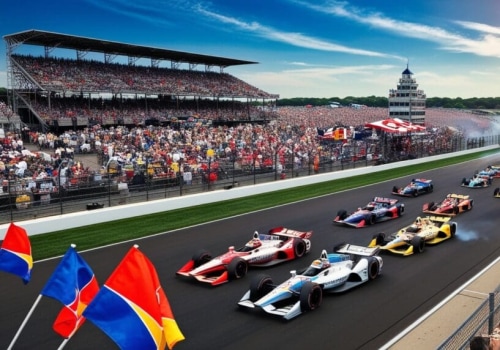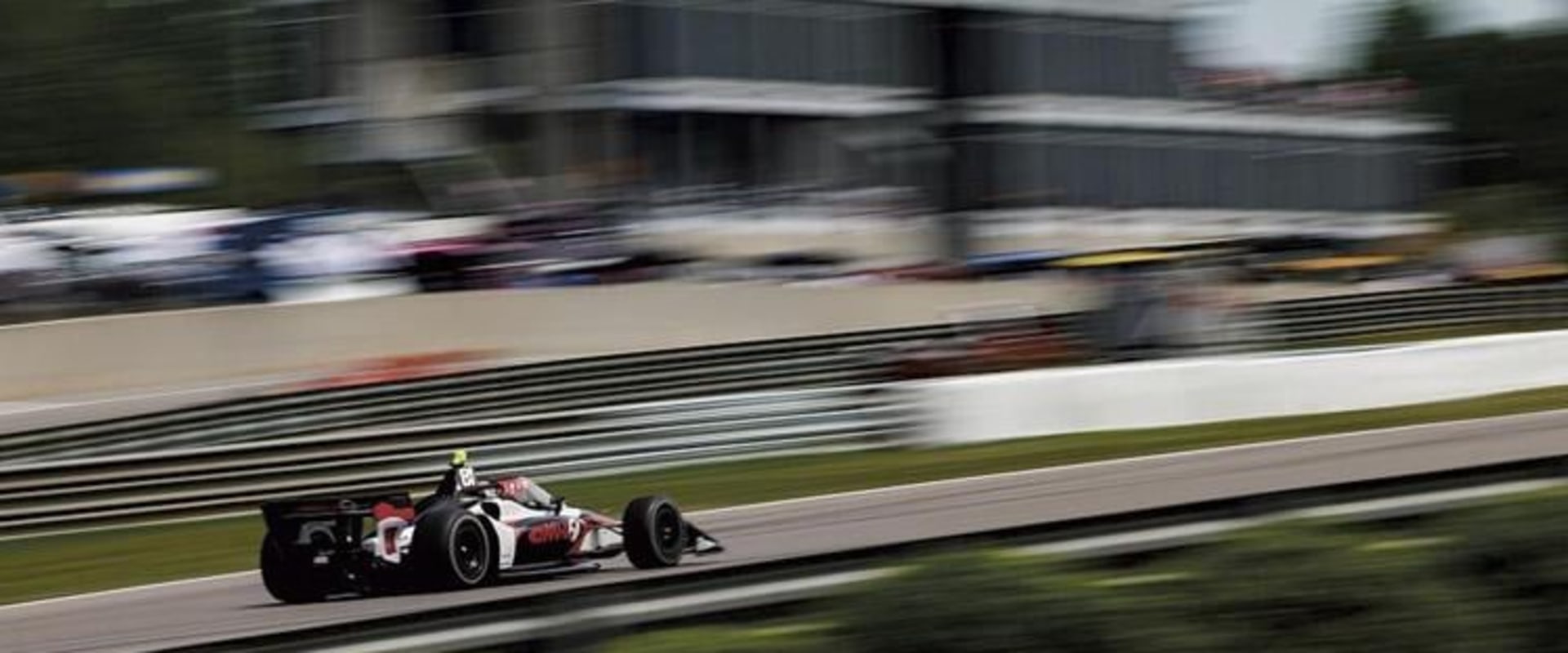
As the roar of engines fills the air and the thrill of competition captivates audiences worldwide, motorsport events have become a significant part of global culture. From Formula 1 to NASCAR, these high-octane spectacles not only showcase cutting-edge technology and human skill but also raise critical questions about their environmental impact. With millions of fans flocking to racetracks and tuning in from home, the ecological footprint of these events is under increasing scrutiny. The motorsport industry is at a crossroads, where the excitement of speed meets the urgent need for sustainability. As climate change becomes an undeniable reality, stakeholders—from teams and sponsors to fans—are beginning to recognize the importance of adopting greener practices.
This shift is not merely a trend; it reflects a growing awareness that the future of motorsport depends on its ability to adapt to environmental challenges. In this article, we will explore how motorsport events impact the environment, examining both the negative consequences and the innovative solutions being implemented to mitigate them. By understanding these dynamics, we can appreciate not only the thrill of racing but also the responsibility that comes with it. Join us as we delve into the intricate relationship between speed and sustainability in the world of motorsport.
Understanding Motorsport Events
Motorsport events encompass a wide range of competitive racing activities that attract enthusiasts and participants from around the globe. These events are not only thrilling spectacles but also significant contributors to the economy and culture of motorsport.At their core, motorsport events involve vehicles competing against each other on various types of tracks or terrains.The most recognized forms include:
- Formula 1: Known for its high-speed races and advanced technology, Formula 1 is one of the most prestigious motorsport events worldwide, featuring a series of races known as Grands Prix.
- NASCAR: Predominantly popular in the United States, NASCAR focuses on stock car racing and is famous for its oval tracks and intense competition.
- Rally Racing: This type involves racing on public or private roads, often in challenging conditions, where drivers navigate through various terrains using a co-driver's instructions.
- Motocross: A form of off-road motorcycle racing held on enclosed off-road circuits, motocross is known for its jumps and technical challenges.
- Endurance Racing: Events like the 24 Hours of Le Mans test the durability of both cars and drivers over extended periods, emphasizing strategy and teamwork.
Environmental Concerns Associated with Motorsport Events
Motorsport events, while thrilling and entertaining, raise significant environmental concerns that cannot be overlooked. The impact of these events extends beyond the racetrack, affecting air quality, noise levels, and local ecosystems.Air Pollution
One of the most pressing issues is air pollution.The high-performance vehicles used in motorsport are notorious for their emissions. These cars often run on fuels that release harmful pollutants into the atmosphere, including carbon monoxide, nitrogen oxides, and particulate matter. During major events, the concentration of these pollutants can spike dramatically, leading to poor air quality for both participants and spectators.
Carbon Footprint
The carbon footprint of racing is another critical concern. From the manufacturing of vehicles to transportation and logistics involved in hosting events, motorsport contributes significantly to greenhouse gas emissions.A single race can generate thousands of tons of CO2, exacerbating climate change. Efforts to mitigate this impact include the adoption of more sustainable fuels and electric racing series, but challenges remain in fully transitioning to greener alternatives.
Noise Pollution
Noise pollution is another byproduct of motorsport events that affects both human health and wildlife. The roar of engines can reach levels that are harmful to hearing and can disrupt local communities. Additionally, wildlife in proximity to racetracks may experience stress or displacement due to the loud noises associated with racing.Habitat Disruption
Finally, the physical footprint of motorsport venues can lead to habitat disruption.Construction and maintenance of racetracks often require significant land alteration, which can destroy local flora and fauna habitats. This disruption not only affects biodiversity but also alters local ecosystems, leading to long-term environmental consequences.In conclusion, while motorsport events provide excitement and entertainment, they also pose serious environmental challenges that need to be addressed through sustainable practices and innovations in the industry.
The Carbon Footprint of Motorsport Events
Motorsport events are thrilling spectacles that attract millions of fans worldwide, but they also come with a significant carbon footprint. The emissions generated during these events can be attributed to various factors, including the vehicles themselves, the support infrastructure, and the logistics involved in organizing such large-scale gatherings.Emissions Analysis
reveals that the primary source of carbon emissions in motorsport comes from the racing vehicles. High-performance engines, often fueled by gasoline or other racing fuels, produce substantial amounts of carbon dioxide (CO2) and other greenhouse gases.For instance, a single Formula 1 car can emit approximately 1.5 kg of CO2 per kilometer driven during a race. When considering the total distance covered by all cars during an event, the numbers become staggering.Moreover, the type of racing fuel used plays a crucial role in determining the overall emissions. Traditional fossil fuels contribute significantly to greenhouse gas emissions, while alternative fuels like biofuels and electric powertrains are being explored to mitigate this impact. However, the transition to greener technologies is still in its infancy within many motorsport disciplines.In addition to vehicle emissions, the support infrastructure surrounding motorsport events also contributes to their carbon footprint.
This includes everything from transportation for teams and equipment to energy consumption at venues. For example:
- Transporting teams and equipment often involves long-distance travel by trucks and planes, which adds to overall emissions.
- The energy required to power grandstands, lighting, and other facilities during events can lead to significant electricity consumption, often sourced from non-renewable energy.
- Waste generated from food vendors and merchandise can further exacerbate environmental concerns if not managed properly.
Sustainability Initiatives in Motorsport
As the motorsport industry faces increasing scrutiny regarding its environmental impact, many organizations are stepping up to implement sustainable practices that aim to reduce their carbon footprint.These green initiatives are not only beneficial for the planet but also enhance the image of motorsport as a forward-thinking and responsible industry.One of the most significant shifts in recent years has been the adoption of biofuels. Many racing series, including Formula E and various endurance racing events, have begun to incorporate fuels derived from renewable sources. These biofuels can significantly lower greenhouse gas emissions compared to traditional fossil fuels, making them a viable alternative for high-performance racing.In addition to biofuels, the rise of electric vehicles (EVs) in motorsport has marked a pivotal change. Formula E, for instance, is dedicated entirely to electric racing, showcasing the potential of EV technology in a competitive environment.
This not only promotes the use of electric vehicles among consumers but also encourages manufacturers to invest in cleaner technologies.
Waste Management Practices
- Recycling Programs: Many motorsport events have implemented comprehensive recycling programs to minimize waste generated during races. This includes recycling tires, plastics, and metals used in car construction and maintenance.
- Zero Waste Goals: Some racing teams and events are striving for zero waste by ensuring that all materials used are either recyclable or compostable, thus diverting waste from landfills.
- Sustainable Merchandise: The sale of merchandise at events is also being scrutinized, with many teams opting for eco-friendly materials and production methods.
Case Studies: Successful Sustainable Motorsport Events
As the motorsport industry increasingly recognizes its environmental impact, several events have emerged as pioneers in sustainability.These case studies highlight how innovative practices can lead to both ecological benefits and enhanced public perception.
Formula E
One of the most notable examples is Formula E, a fully electric racing series that has been at the forefront of promoting sustainable motorsport. Launched in 2014, Formula E not only showcases electric vehicle technology but also emphasizes sustainability in its operations. The series has implemented measures such as:- Carbon neutrality: All events are certified carbon neutral, with emissions offset through various environmental projects.
- Urban racing: By hosting races in city centers, Formula E reduces the need for extensive infrastructure and promotes public transport.
- Community engagement: The series actively involves local communities through educational programs about electric vehicles and sustainability.
24 Hours of Le Mans
The 24 Hours of Le Mans, one of the most prestigious endurance races, has also made significant strides towards sustainability. In recent years, the event has introduced regulations that encourage the use of hybrid and alternative fuel technologies.Key initiatives include:
- Fuel efficiency: Teams are incentivized to develop more fuel-efficient vehicles, reducing overall emissions during the race.
- Sustainable materials: The event has committed to using sustainable materials for its infrastructure and fan experiences.
Goodwood Festival of Speed
The Goodwood Festival of Speed, known for celebrating automotive culture, has embraced sustainability by showcasing electric and hybrid vehicles alongside traditional combustion engines. The festival promotes:- Electric vehicle demonstrations: Providing a platform for manufacturers to display their latest eco-friendly technologies.
- Sustainable practices: Implementing waste reduction strategies and encouraging attendees to use public transport or carpool.
Public Perception and Awareness of Environmental Issues in Motorsport
The public perception of motorsport events and their environmental impact is a complex issue that has evolved significantly over the years. As awareness of climate change and environmental degradation grows, fans and the general public are increasingly scrutinizing the sustainability practices of their favorite racing series.Many fans are passionate about motorsport, but they are also becoming more conscious of the ecological footprint associated with these events.This shift in perception is partly driven by the increasing visibility of environmental advocacy within the motorsport community. Organizations and teams are beginning to recognize their responsibility to promote sustainability, leading to initiatives aimed at reducing emissions and waste.
Fan Awareness and Sustainability in Racing
Surveys indicate that a significant portion of motorsport fans are concerned about the environmental implications of racing. This awareness has prompted some racing series to adopt greener technologies, such as hybrid engines and biofuels, which not only appeal to eco-conscious fans but also enhance the sport's image. For instance, Formula E has gained traction by showcasing electric vehicles, directly addressing concerns about pollution and energy consumption.- Increased Transparency: Teams are now more transparent about their sustainability efforts, sharing data on emissions reductions and waste management practices.
- Community Engagement: Many motorsport events engage local communities in sustainability initiatives, such as tree planting or recycling programs, fostering a sense of shared responsibility.
- Advocacy Groups: Environmental advocacy groups are increasingly collaborating with motorsport organizations to promote sustainable practices and educate fans.
Advocacy groups have been instrumental in pushing for regulatory changes that encourage greener practices within the industry. Their efforts have led to greater accountability among teams and sponsors, as they strive to align with public expectations regarding sustainability.In conclusion, as the dialogue around climate change intensifies, the motorsport community must continue to adapt to meet the expectations of an environmentally aware audience. By embracing sustainability and actively engaging with fans on these issues, motorsport events can not only mitigate their environmental impact but also enhance their appeal in a rapidly changing world.
Future Trends: The Evolution of Motorsport Towards Sustainability
As the world increasingly prioritizes sustainability, motorsport events are beginning to adapt to these changing values. The future of sustainable motorsport is being shaped by a combination of innovative technologies, regulatory changes, and a growing awareness among fans and participants alike.Emerging Technologies
- Electric Vehicles (EVs): The rise of electric racing series, such as Formula E, showcases how motorsport events can transition to cleaner technologies.
These series not only reduce emissions but also promote the development of EV technology that can be applied to consumer vehicles.
- Hydrogen Fuel Cells: Another promising avenue is the use of hydrogen fuel cells in racing. This technology offers a zero-emission alternative that could revolutionize how motorsport operates while maintaining high performance.
- Biofuels and Synthetic Fuels: Many racing teams are exploring the use of biofuels and synthetic fuels derived from renewable resources. These fuels can significantly lower the carbon footprint of traditional combustion engines.
Regulatory Changes
Governments and racing organizations are implementing stricter regulations aimed at reducing the environmental impact of motorsport events. Initiatives such as carbon offset programs and sustainability certifications are becoming more common, pushing teams to adopt greener practices.
Fan Engagement and Awareness
The role of fans in promoting sustainability cannot be underestimated.
As audiences become more environmentally conscious, their preferences influence sponsors and teams to prioritize eco-friendly initiatives. Engaging fans through educational campaigns about sustainability in motorsport can foster a culture of responsibility.
Conclusion
The evolution towards sustainability in motorsport events is not just a trend; it is a necessary shift for the future. By embracing innovative technologies, adhering to regulatory changes, and engaging with fans, the motorsport industry can lead by example in the global movement towards a more sustainable future.
FAQs About Motorsport Events and Their Environmental Impact
As the popularity of motorsport events continues to grow, so does the concern regarding their environmental impact. Here are some frequently asked questions that shed light on this important topic:What are the main environmental issues associated with motorsport events?
Motorsport events can contribute to several environmental challenges, including:- Air pollution: Emissions from racing vehicles can significantly affect air quality, especially in urban areas.
- Noise pollution: The loud sounds generated during races can disturb local wildlife and communities.
- Land degradation: The construction and maintenance of racetracks can lead to habitat destruction and soil erosion.
- Waste generation: Events often produce substantial waste, including plastic, tires, and other materials that require proper disposal.
How are motorsport organizations addressing these environmental concerns?
Many motorsport organizations are taking steps to mitigate their environmental impact by:- Implementing sustainability initiatives: This includes using renewable energy sources and promoting recycling at events.
- Developing eco-friendly technologies: Manufacturers are investing in hybrid and electric vehicle technologies to reduce emissions.
- Engaging in reforestation projects: Some racing series partner with environmental organizations to plant trees and restore habitats.
Are there any benefits to the environment from motorsport events?
While the negative impacts are significant, there are potential benefits as well:- Innovation in green technology: Motorsport often serves as a testing ground for advanced technologies that can be applied in everyday vehicles.
- Increased awareness: High-profile events can raise public awareness about sustainability issues and inspire fans to adopt eco-friendly practices.
Understanding these dynamics is crucial for fans and stakeholders alike.
Conclusion: Balancing Passion for Motorsport with Environmental Responsibility
As we conclude our exploration of the environmental impacts of motorsport events, it is essential to recognize the dual nature of this thrilling sport. While motorsports ignite passion and foster community, they also pose significant challenges to our planet. Throughout this article, we have examined various aspects of how motorsport events affect the environment, including:- Carbon Emissions: The high-performance vehicles used in racing contribute to greenhouse gas emissions, raising concerns about climate change.
- Resource Consumption: The production and maintenance of racing cars require substantial resources, from fuel to materials, which can lead to environmental degradation.
- Noise Pollution: The sound generated by racing can disrupt local wildlife and communities, highlighting the need for noise management strategies.
- Waste Management: Events generate significant waste, necessitating effective recycling and disposal methods to minimize landfill impact.
By supporting eco-friendly practices, advocating for greener technologies, and participating in conservation efforts, the motorsport community can help ensure that the thrill of racing does not come at the expense of our environment. In summary, while motorsport events undeniably impact the environment, a balanced approach that embraces both passion for racing and commitment to sustainability can pave the way for a more responsible future in motorsports. It is our collective responsibility to champion these changes and protect our planet for generations to come.