Motorsport events have captivated audiences around the globe for over a century, evolving from simple local races to grand spectacles that draw millions of fans. These events encompass a wide range of activities, including Formula 1, NASCAR, rally racing, and motocross, each with its own unique culture and following. The significance of motorsport extends beyond mere entertainment; it serves as a platform for technological innovation, showcasing advancements in engineering and safety that often trickle down to consumer vehicles. The history of motorsport is rich and varied, beginning in the late 19th century when the first organized races took place. As the sport gained traction, it began to attract not only participants but also sponsors and media attention, leading to the establishment of formal championships and series.
This evolution has been marked by key milestones, such as the introduction of international governing bodies and the rise of television broadcasting, which have played crucial roles in expanding the reach and popularity of motorsport events. Today, motorsport events are not just competitions; they are cultural phenomena that unite fans from diverse backgrounds. The evolution of these events reflects broader societal changes, including shifts in technology, media consumption, and even environmental awareness. As we delve deeper into the changing landscape of motorsport popularity over time, it becomes clear that these events are more than just races—they are a testament to human ingenuity and the relentless pursuit of speed.
The Early Days of Motorsport Events
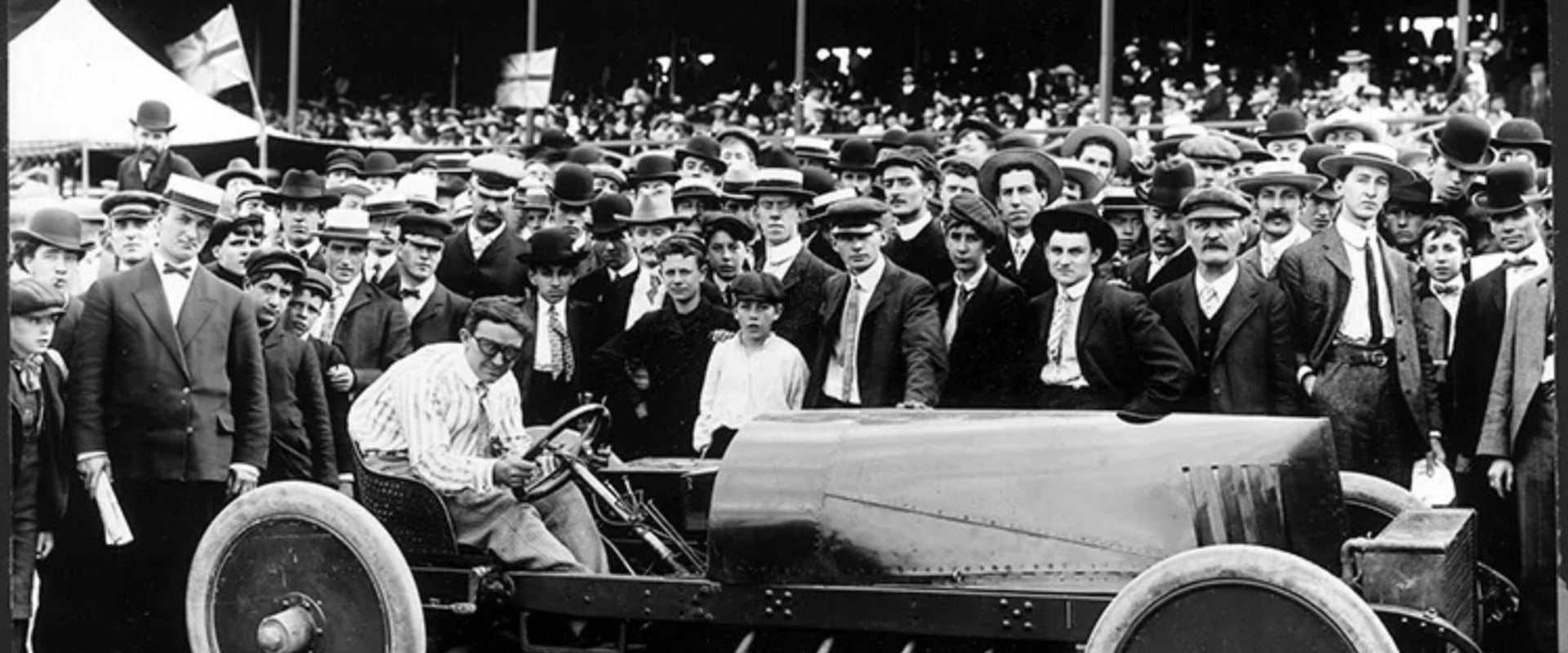
The origins of motorsport events can be traced back to the late 19th century, a time when the automobile was still a novel invention. The first recorded automobile race took place in 1894, from Paris to Rouen, France.This event, organized by the Parisian newspaper Le Petit Journal, attracted significant attention and marked the beginning of competitive racing.As the popularity of automobiles grew, so did the number of early motorsport events. By the turn of the century, various competitions began to emerge, including hill climbs and endurance races. These events not only showcased the speed and reliability of early vehicles but also captured the public's imagination.
- Paris-Rouen (1894): Often considered the first automobile race, it featured vehicles competing for speed and efficiency.
- Vanderbilt Cup (1904): This prestigious race in the United States helped to popularize motorsport on American soil.
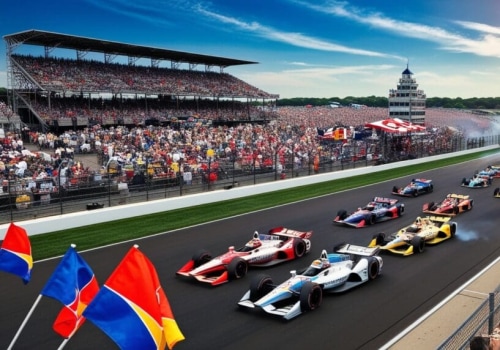
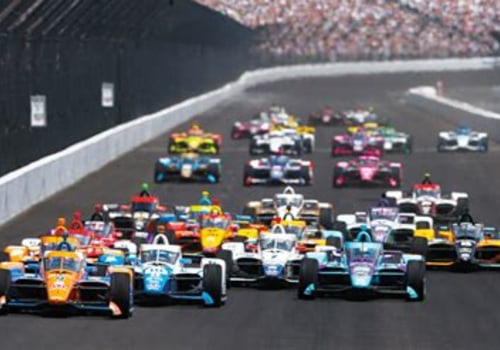
- Indianapolis 500 (1911): Established as one of the most famous motorsport events in history, it set a standard for future racing competitions.
As these events gained traction, they began to attract larger audiences and sponsorships, paving the way for more organized competitions.By the 1920s and 1930s, motorsport had evolved into a structured sport with established rules and regulations. The formation of organizations such as the Fédération Internationale de l'Automobile (FIA) in 1904 further legitimized these events, ensuring safety standards and promoting fair competition. This period marked a significant turning point in the history of motorsport, as it transitioned from informal gatherings to highly anticipated annual spectacles.In summary, the early days of motorsport events were characterized by innovation and excitement. These initial races not only set the stage for future competitions but also ignited a passion for speed that continues to thrive today.
The Rise of Popularity in the 20th Century
The 20th century marked a significant turning point in the world of motorsport events, as various factors converged to elevate the sport's popularity to unprecedented levels.The introduction of advanced technology, coupled with the rise of mass media, played a crucial role in shaping public interest and engagement.One of the most notable developments was the advent of automobile technology. Innovations such as the internal combustion engine and improvements in aerodynamics not only enhanced vehicle performance but also captivated audiences. As cars became faster and more reliable, races like the Indianapolis 500 and Le Mans 24 Hours gained iconic status, drawing large crowds and extensive media coverage.
Key Events That Shaped Motorsport Popularity
- The Monaco Grand Prix : Established in 1929, this prestigious event became synonymous with glamour and speed, attracting celebrities and motorsport enthusiasts alike.
- The Daytona 500 : Launched in 1959, this race quickly became a cornerstone of American motorsport culture, showcasing the thrill of stock car racing.
- The rise of Formula One : With its inception in 1950, Formula One transformed into a global phenomenon, featuring legendary drivers and teams that captured the imagination of fans worldwide.
This accessibility not only increased viewership but also fostered a deeper connection between fans and their favorite drivers.In summary, the combination of technological advancements, iconic races, and the influence of mass media during the 20th century laid a strong foundation for the enduring popularity of motorsport events. These elements not only attracted new fans but also solidified motorsport's place as a significant cultural phenomenon.
The Impact of Television and Media on Motorsport Events
The evolution of motorsport events has been significantly shaped by the rise of television and media coverage. In the early days, motorsport was primarily a niche interest, accessible only to those who could attend races in person. However, as television technology advanced, it opened new avenues for fans to engage with their favorite sports from the comfort of their homes.Television
has played a pivotal role in popularizing motorsport events.Major networks began broadcasting races, which not only increased viewership but also attracted sponsorships and advertising revenue. This influx of funding allowed for better production quality, including multiple camera angles, expert commentary, and in-depth analysis, making the viewing experience more engaging.Moreover, the introduction of live coverage transformed how fans interacted with motorsport. Events like Formula 1 and NASCAR became household names as they were broadcasted live, allowing fans to experience the thrill of the race in real-time. This immediacy created a sense of community among viewers, who could share their excitement on social media platforms during and after the events.In addition to traditional television broadcasts, the rise of digital media has further expanded the reach of motorsport events.
Streaming services and social media platforms have enabled fans to access content anytime and anywhere. Highlights, behind-the-scenes footage, and interactive content have made motorsport more accessible than ever before.Furthermore, media coverage has evolved to include diverse formats such as podcasts and YouTube channels dedicated to motorsport analysis and commentary. This variety caters to different audience preferences and helps maintain interest in motorsport events throughout the year, even during off-seasons.In conclusion, the influence of media coverage on motorsport events cannot be overstated. It has transformed these events from localized spectacles into global phenomena, fostering a passionate fanbase that continues to grow with each passing year.
The Role of Sponsorship and Commercialization
The evolution of motorsport events has been significantly shaped by the influx of sponsorship and the broader trend of commercialization.As these events have grown in popularity, they have attracted a diverse range of sponsors, from automotive manufacturers to global brands, each eager to capitalize on the vast audience that motorsport offers.
Sponsorship
deals have transformed the financial landscape of motorsport. In the early days, funding primarily came from entry fees and ticket sales. However, as the sport gained traction, companies recognized the potential for brand exposure. Today, sponsorships can account for a substantial portion of a team's budget, allowing for enhanced technology, better talent acquisition, and improved marketing strategies.- Increased Investment: Major sponsors invest millions into teams and events, leading to higher production values and more engaging experiences for fans.
- Brand Integration: Sponsors often integrate their products into the events themselves, creating a seamless connection between the sport and consumer goods.
- Global Reach: With the rise of digital media, sponsors can now reach international audiences, further amplifying the popularity of motorsport events.
They play a crucial role in shaping the narrative around races and teams. For instance, sponsorships can influence team branding and marketing strategies, which in turn affect fan engagement. The presence of well-known brands can elevate an event's prestige and attract larger crowds.Moreover, as motorsport continues to evolve with technological advancements and changing consumer preferences, sponsors are adapting their strategies accordingly. This adaptability not only sustains interest in traditional motorsport but also paves the way for new formats and events that cater to emerging audiences.In conclusion, the relationship between sponsorship, commercialization, and the popularity of motorsport events is symbiotic.
As sponsors invest more into these events, they enhance their appeal and accessibility, ensuring that motorsport remains a vibrant part of global culture.
The Globalization of Motorsport Events
The globalization of motorsport events has significantly transformed the landscape of racing, making it a truly international phenomenon. In the past, motorsport was often confined to regional circuits, with events primarily attracting local audiences. However, as the world has become more interconnected, so too have the opportunities for motorsport to reach a broader audience.One of the most notable impacts of globalization is the rise of international motorsport popularity. Major racing series such as Formula 1, MotoGP, and World Rally Championship have expanded their calendars to include races in diverse locations across continents.This not only increases the visibility of these events but also attracts a wider range of sponsors and media coverage.
- Increased Participation: The accessibility of motorsport has improved, with grassroots programs and international competitions encouraging participation from aspiring drivers worldwide.
- Diverse Fan Base: Global events draw fans from various cultures, creating a melting pot of enthusiasm and support that enhances the overall experience.
- Technological Advancements: The sharing of technology and expertise across borders has led to innovations that improve vehicle performance and safety, further elevating the sport's appeal.
The Influence of Technology on Motorsport Events
The evolution of motorsport events has been significantly shaped by advancements in technology, which have transformed not only the vehicles themselves but also the overall spectator experience.From the early days of racing, where mechanical ingenuity was paramount, to today’s high-tech environments, technology has played a crucial role in attracting a diverse audience.
Technology in motorsport
has led to remarkable improvements in vehicle performance. Innovations such as hybrid engines, advanced aerodynamics, and lightweight materials have made cars faster and safer. For instance, the introduction of data analytics allows teams to analyze performance metrics in real-time, optimizing strategies during races. This level of precision and efficiency has made racing more competitive and exciting.Moreover, the impact of technology extends beyond the track.The rise of digital platforms and social media has revolutionized how fans engage with motorsport events. Live streaming services and interactive apps provide fans with unprecedented access to races, including behind-the-scenes content and real-time updates. This connectivity fosters a sense of community among fans and enhances their overall experience.
- Enhanced Safety: Technological advancements have also prioritized safety, with features like improved crash barriers and advanced telemetry systems that monitor driver health.
- Fan Engagement: Virtual reality (VR) experiences and augmented reality (AR) applications allow fans to immerse themselves in the action, making them feel like part of the event.
- Sustainability: The push for greener technologies in motorsport, such as electric racing series, attracts environmentally conscious fans and promotes sustainability within the industry.
Current Trends in Motorsport Popularity
In recent years, the landscape of motorsport events has undergone significant transformation, driven by various factors that reflect changing audience preferences and technological advancements.One of the most notable trends is the increasing integration of digital platforms, which has allowed fans to engage with their favorite sports in unprecedented ways.
Rise of Esports
- The emergence of esports has created a new avenue for motorsport enthusiasts. Virtual racing competitions, such as the FIA Gran Turismo Championship and Formula E's virtual series, have attracted millions of viewers and participants, particularly among younger demographics.
- This shift not only broadens the audience base but also introduces traditional motorsport brands to a tech-savvy generation.
Sustainability Initiatives
- Another current trend is the growing emphasis on sustainability within motorsport. Events like Formula E and initiatives by F1 to become carbon neutral by 2030 are reshaping how fans perceive these sports.
- This focus on environmental responsibility resonates with a global audience increasingly concerned about climate change, enhancing the appeal of these events.
Diverse Fan Engagement
- Motorsport events are also becoming more inclusive, with efforts to attract a diverse fan base. Programs aimed at increasing female participation and initiatives targeting underrepresented communities are gaining traction.
- This inclusivity not only enriches the sport but also fosters a sense of community among fans, further driving interest and attendance.
As technology continues to evolve, we can expect even more immersive experiences for fans, such as augmented reality (AR) and virtual reality (VR) integrations during live events. Additionally, as motorsport organizations adapt to changing societal values and preferences, they will likely continue to innovate in ways that keep audiences engaged and excited about upcoming events.
FAQs About Motorsport Events Popularity Changes
As the landscape of motorsport events continues to evolve, many enthusiasts and newcomers alike have questions about the shifts in popularity over time. Here are some frequently asked questions that shed light on this dynamic topic.- What factors have contributed to the rise in popularity of motorsport events?
The rise in popularity can be attributed to several factors, including advancements in technology, increased media coverage, and the globalization of motorsport. The introduction of social media platforms has also allowed fans to engage more directly with their favorite events and drivers. - How have viewership numbers changed for major motorsport events?
Viewership numbers for major events like Formula 1 and NASCAR have seen significant fluctuations.For instance, Formula 1 has experienced a resurgence in popularity in recent years, particularly among younger audiences, thanks to strategic marketing and engaging content on streaming platforms.
- Are there specific demographics that are driving changes in motorsport popularity?
Yes, younger demographics, particularly millennials and Gen Z, are increasingly drawn to motorsport events. Their preferences for digital engagement and interactive experiences have prompted organizers to adapt their strategies to attract these audiences. - What role does technology play in the evolution of motorsport events?
Technology plays a crucial role in enhancing the spectator experience. Innovations such as virtual reality (VR) and augmented reality (AR) allow fans to immerse themselves in the action like never before. Additionally, data analytics helps teams improve performance and engage fans with real-time statistics. - How do cultural shifts impact the popularity of motorsport events?
Cultural shifts significantly impact how motorsport is perceived.For example, increasing awareness around sustainability has led some racing series to adopt eco-friendly practices, which can attract environmentally conscious fans.
Conclusion: The Future of Motorsport Events Popularity
As we reflect on the evolution of motorsport events, it is clear that their popularity has undergone significant transformations influenced by various factors, including technological advancements, cultural shifts, and changing audience preferences. The rise of digital media and social platforms has played a pivotal role in making these events more accessible, allowing fans to engage with their favorite sports in real-time, regardless of geographical barriers.Looking ahead, the future of motorsport events appears promising yet challenging. Here are some key trends that may shape their trajectory:- Increased Accessibility: With the advent of streaming services and virtual reality experiences, fans can expect to enjoy motorsport events from the comfort of their homes, enhancing engagement and viewership.
- Sustainability Initiatives: As environmental concerns grow, motorsport organizations are likely to adopt greener technologies and practices, which could attract a new demographic of eco-conscious fans.
- Diversity and Inclusion: Efforts to promote diversity within the sport may lead to a broader fan base, as more individuals see themselves represented in various roles, from drivers to team management.
- Technological Integration: The integration of advanced technologies such as AI and data analytics will not only enhance the spectator experience but also improve safety and performance on the track.
The future holds exciting possibilities for both fans and participants alike, making it an exhilarating time to be involved in this dynamic field.