Motorsport events are more than just thrilling displays of speed and skill; they serve as vital catalysts for community engagement and development. These events attract not only racing enthusiasts but also families, tourists, and local businesses, creating a vibrant atmosphere that fosters social interaction and economic growth. As communities come together to celebrate their passion for motorsports, the ripple effects can be felt far beyond the racetrack. The impact of motorsport events on the local economy is significant. They generate substantial revenue through ticket sales, merchandise, and hospitality services, providing a much-needed boost to local businesses.
Restaurants, hotels, and shops often see increased foot traffic during these events, leading to higher sales and job creation. Moreover, the influx of visitors can stimulate long-term investments in infrastructure and community services, enhancing the overall quality of life for residents. Beyond economic benefits, motorsport events also promote social cohesion. They offer a unique platform for diverse groups to come together, fostering a sense of belonging and community pride. Local organizations often collaborate with event organizers to create family-friendly activities, educational programs, and charity initiatives that further enrich the community experience.
This blend of excitement and engagement not only entertains but also strengthens community ties, making motorsport events a cornerstone of local culture.
Economic Contributions of Motorsport Events
Motorsport events play a pivotal role in enhancing the local economy, serving as a catalyst for growth and development in various sectors. One of the most significant impacts is through tourism. When a major race or event is held, it attracts thousands of visitors from outside the region, leading to increased spending on accommodations, dining, and entertainment. This influx of tourists not only boosts revenue for local businesses but also creates a vibrant atmosphere that benefits the community as a whole.Moreover, the presence of motorsport events generates numerous job opportunities.From temporary positions in event management to long-term roles in hospitality and retail, these events create a demand for a diverse workforce. Local residents often find employment in various capacities, ranging from security personnel to vendors, which helps reduce unemployment rates and stimulates economic activity.In addition to direct job creation, motorsport events also support local businesses in more indirect ways. For instance:
- Suppliers and Vendors: Local suppliers benefit from increased demand for products and services, such as food, merchandise, and equipment.
- Infrastructure Development: The need for improved facilities and infrastructure often leads to investments in roads, public transport, and amenities that serve both event attendees and residents.
- Long-term Partnerships: Many local businesses establish partnerships with event organizers, leading to ongoing collaborations that can enhance their visibility and customer base.
In conclusion, the economic contributions of motorsport events extend far beyond the racetrack, fostering a dynamic environment that benefits everyone involved.
Social Benefits of Hosting Motorsport Events
Hosting motorsport events can significantly enhance the social fabric of a community. These events serve as a platform for community engagement, bringing together individuals from diverse backgrounds to share a common interest in racing and motorsports. This shared enthusiasm fosters a sense of belonging and unity among residents, which is crucial for building strong community ties.One of the most notable social benefits is the local pride that emerges when a community hosts a major motorsport event. Residents often take great pride in showcasing their town or city to visitors, which can lead to increased civic involvement.Local businesses, schools, and organizations frequently collaborate to support these events, creating opportunities for partnerships that strengthen community bonds.Moreover, motorsport events can serve as a catalyst for volunteerism. Many residents participate as volunteers, helping with event organization, logistics, and hospitality. This not only provides valuable experience but also encourages individuals to connect with one another, fostering friendships and networks that extend beyond the event itself.Additionally, these events often include activities that engage families and children, such as fan zones, educational workshops, and interactive exhibits. Such initiatives promote social connections among families and encourage younger generations to appreciate motorsports, potentially inspiring future enthusiasts and participants.In summary, the social impact of hosting motorsport events is profound.
From enhancing local pride to fostering community engagement and building lasting social connections, these events play a vital role in enriching the lives of residents and creating a vibrant community atmosphere.
Environmental Considerations in Motorsport Events
As motorsport events gain popularity, the environmental impact associated with them has become a significant concern for local communities. These events can lead to increased noise, air pollution, and waste generation, prompting the need for sustainable practices that mitigate these effects.To address these challenges, many organizers are adopting sustainability in motorsport events through various eco-friendly initiatives. Here are some key practices being implemented:- Carbon Offsetting: Many motorsport events now invest in carbon offset programs to balance out their emissions. This involves funding projects that reduce greenhouse gases, such as reforestation or renewable energy initiatives.
- Waste Management: Effective waste management strategies are crucial.
Organizers are increasingly using recycling and composting programs to minimize landfill contributions. Providing clearly marked bins for different types of waste encourages attendees to participate.
- Alternative Fuels: The use of alternative fuels, such as biofuels or electric vehicles, is becoming more common in motorsport. These options significantly reduce harmful emissions and promote innovation in sustainable technologies.
- Water Conservation: Motorsport venues are implementing water-saving measures, such as rainwater harvesting systems and efficient irrigation practices, to minimize their water footprint.
For instance, community-led clean-up initiatives during and after events can foster a sense of responsibility and pride among participants.In conclusion, while motorsport events can pose environmental challenges, they also present opportunities for communities to embrace sustainability. By adopting innovative practices and encouraging local involvement, these events can contribute positively to both the sport and the environment.
Motorsport Events as Catalysts for Local Development
Motorsport events are not just thrilling spectacles; they also act as powerful catalysts for local development. When a major racing event is scheduled, it often leads to significant investments in infrastructure improvements that benefit the entire community. These enhancements can include upgrades to roads, public transportation systems, and even the construction of new facilities such as hotels and restaurants.For instance, hosting a large-scale motorsport event typically necessitates the expansion of existing roadways to accommodate increased traffic.This not only improves access to the event but also enhances daily commutes for local residents. Additionally, the influx of visitors can prompt local governments to invest in community projects that may have been on the back burner due to budget constraints.
- Economic Boost: The surge in tourism during motorsport events can lead to increased revenue for local businesses, from hotels to restaurants, creating a ripple effect that stimulates the economy.
- Job Creation: The preparation and execution of these events often require temporary and permanent job opportunities, ranging from event staff to construction workers.
- Community Engagement: Motorsport events frequently involve local organizations and charities, fostering a sense of community pride and encouraging volunteerism.
As communities invest in their infrastructure and engage in projects that enhance quality of life, they also create an environment where motorsport can thrive, leading to a cycle of growth and improvement for all involved.
Challenges Faced by Communities Hosting Motorsport Events
While motorsport events can bring numerous benefits to local communities, they also present a range of challenges that must be addressed. Understanding these challenges is crucial for both event organizers and community members to ensure a positive experience for all involved.Noise Pollution
One of the most significant concerns associated with motorsport events is noise pollution. The roar of engines and the sounds of high-speed racing can be disruptive, particularly for residents living near the event venue. This noise can lead to complaints from locals, affecting their quality of life and potentially leading to conflicts between residents and event organizers.To mitigate this issue, some communities have implemented noise regulations or designated quiet hours during events.
Traffic Issues
Traffic congestion is another challenge that communities face when hosting motorsport events. Large crowds flock to these events, often resulting in significant increases in local traffic. This can lead to delays, frustration among residents, and even safety concerns as pedestrians navigate busy streets. To alleviate these issues, effective traffic management plans are essential.This may include increased public transportation options, designated parking areas, and clear signage to guide attendees.
Community Concerns
Beyond noise and traffic, there are broader community concerns that arise with motorsport events. Some residents may worry about the environmental impact of such events, including potential damage to local ecosystems or increased waste generation. Additionally, there may be apprehensions regarding the long-term effects on property values and community character. Engaging with the community through open forums and discussions can help address these concerns and foster a collaborative approach to hosting events.In conclusion, while motorsport events can invigorate local economies and bring excitement to communities, it is essential to recognize and address the challenges they pose.By proactively managing noise pollution, traffic issues, and community concerns, organizers can create a more harmonious relationship with residents and ensure the sustainability of future events.
Case Studies: Successful Motorsport Events and Their Community Impact
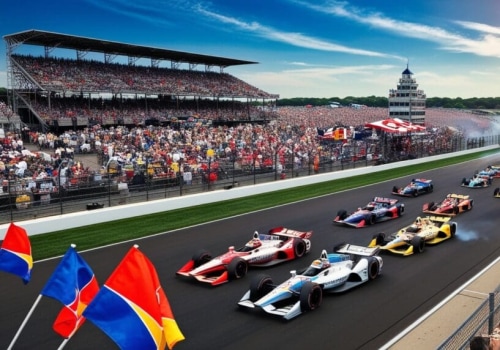
Motorsport events have a profound impact on local communities, often serving as catalysts for economic growth, social cohesion, and cultural pride. Here are some notable case studies that illustrate these benefits:1.The Indianapolis 500
One of the most famous motorsport events in the world, the Indianapolis 500, not only attracts hundreds of thousands of spectators but also generates significant revenue for the local economy. In 2019, it was reported that the event contributed over $400 million to the Indianapolis area through tourism, hospitality, and local business engagement. The influx of visitors supports hotels, restaurants, and retail shops, creating jobs and stimulating economic activity.2.The Monaco Grand Prix
The Monaco Grand Prix is another prime example of how motorsport can elevate a community's profile on a global scale.This prestigious event transforms the streets of Monte Carlo into a racing circuit, attracting elite visitors and media attention from around the world. The local government capitalizes on this exposure to promote tourism year-round, leading to increased investments in infrastructure and public services.
3.Local Rally Events
Smaller-scale events, such as local rally competitions, also demonstrate significant community benefits. For instance, the Oregon Trail Rally has been instrumental in fostering community spirit among motorsport enthusiasts while promoting local businesses. The event draws participants and spectators from various regions, encouraging them to explore local attractions and spend money in nearby establishments.4.Charity Events
Many motorsport events are organized with a charitable focus, further enhancing their community impact.Events like the Race for Kids not only provide thrilling experiences for participants but also raise funds for local charities. This dual purpose helps strengthen community ties while addressing important social issues. In conclusion, successful motorsport events can significantly benefit local communities by driving economic growth, enhancing tourism, and fostering social connections. These case studies highlight the diverse ways in which motorsport can be a force for good within communities.
FAQs About Motorsport Events and Community Impact
Motorsport events are not just thrilling spectacles; they also play a significant role in enhancing local communities. Here are some frequently asked questions that delve into this relationship:- How do motorsport events benefit local economies? Motorsport events attract thousands of visitors, which boosts local businesses such as hotels, restaurants, and shops.
The influx of spectators can lead to increased sales and job creation in the area.
- What community involvement is seen during motorsport events? Local organizations often collaborate with event organizers to promote community engagement. This can include volunteer opportunities, sponsorships, and partnerships with schools and charities, fostering a sense of unity and pride.
- Are there educational benefits associated with motorsport events? Many motorsport events incorporate educational programs aimed at young people. These initiatives can teach valuable skills in engineering, teamwork, and safety, inspiring the next generation of motorsport enthusiasts.
- How do motorsport events promote local culture? Events often showcase local culture through food, music, and art. This not only enriches the experience for attendees but also highlights the unique aspects of the community hosting the event.
- What are the long-term impacts of hosting motorsport events? In addition to immediate economic benefits, hosting motorsport events can lead to long-term infrastructure improvements and increased tourism.
Communities may invest in better roads and facilities that serve both residents and visitors alike.
Conclusion: The Lasting Legacy of Motorsport Events in Communities
In conclusion, the impact of motorsport events on local communities extends far beyond the racetrack. These events serve as a catalyst for economic growth, social cohesion, and cultural enrichment. By attracting visitors from near and far, they generate significant revenue for local businesses, from hotels and restaurants to retail shops and service providers.Moreover, motorsport events foster a sense of community pride and identity.They bring together diverse groups of people, uniting them through a shared passion for racing and automotive culture. This communal spirit often leads to increased volunteerism and local engagement, as residents come together to support these events.
Economic Benefits
- Job Creation: The influx of visitors creates temporary and permanent job opportunities in various sectors.
- Infrastructure Development: Many communities invest in infrastructure improvements to accommodate events, benefiting residents long after the races are over.
- Increased Tourism: Motorsport events often put communities on the map, attracting tourists who may return for other attractions.
Cultural Impact
- Local Heritage: Events often celebrate local history and culture, showcasing regional pride through themed activities.
- Youth Engagement: Many motorsport events include programs aimed at engaging youth, promoting STEM education through automotive technology.