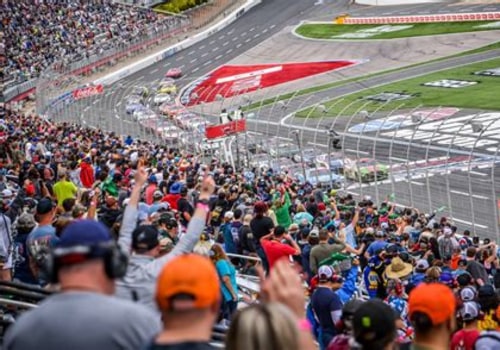
In the high-octane world of motorsport events, where speed and precision are paramount, the role of technology in enhancing safety cannot be overstated. As the sport evolves, so too does the arsenal of technological innovations designed to protect drivers, teams, and spectators alike. From advanced materials used in car construction to sophisticated data analytics that predict potential hazards, technology is reshaping the landscape of safety in motorsport. Historically, motorsport has been synonymous with risk; however, the integration of cutting-edge technology has significantly mitigated these dangers. Innovations such as crash detection systems, fire suppression technologies, and real-time telemetry have transformed how safety is approached during races.
These advancements not only enhance the immediate safety of participants but also contribute to a culture of continuous improvement in safety protocols across various racing disciplines. The impact of technology on safety in motorsport events extends beyond just the vehicles themselves. It encompasses the entire ecosystem surrounding motorsport, including track design, emergency response strategies, and even spectator safety measures. As we delve deeper into this topic, we will explore specific technological advancements that have revolutionized safety standards and examine their implications for the future of motorsport.
Historical Overview of Safety in Motorsport Events
The history of motorsport events is marked by a series of significant developments in safety measures, driven largely by tragic incidents that underscored the inherent dangers of high-speed racing. In the early days of motorsport, safety was often an afterthought, with drivers racing in open-cockpit vehicles and minimal protective gear.The lack of safety barriers and inadequate track design contributed to numerous accidents, some of which were fatal.One pivotal moment in the evolution of safety came in 1952 during the Mille Miglia, a grueling road race in Italy. A catastrophic crash resulted in the deaths of several spectators and drivers, prompting widespread outrage and leading to the eventual ban of the event. This incident highlighted the urgent need for improved safety protocols and regulations within motorsport events.In response to such tragedies, organizations like the Fédération Internationale de l'Automobile (FIA) began implementing stricter safety standards. The introduction of the roll cage in the 1960s was a groundbreaking advancement, providing drivers with a protective structure that significantly reduced injuries during crashes.
Additionally, the use of fire-resistant suits and helmets became mandatory, further enhancing driver safety.The 1970s and 1980s saw further innovations, including the development of crumple zones in car design, which absorbed impact energy during collisions. The tragic death of Ayrton Senna in 1994 during a Formula One race served as a wake-up call for the entire motorsport community. This incident led to an intensified focus on driver safety, resulting in advancements such as the HANS device (Head and Neck Support), which helps prevent head and neck injuries during crashes.Today, technology continues to play a crucial role in enhancing safety at motorsport events. Modern cars are equipped with advanced telemetry systems that monitor driver performance and vehicle conditions in real-time, allowing teams to respond quickly to potential hazards.
Furthermore, improvements in track design and barrier technology have made circuits safer for both drivers and spectators.As we look back at the history of safety in motorsport, it is clear that each incident has spurred significant advancements. The ongoing commitment to innovation ensures that while motorsport events will always carry inherent risks, they are now safer than ever before.
Key Technologies Enhancing Safety in Motorsport Events
In the high-octane world of motorsport events, safety is paramount, and technological advancements have played a crucial role in enhancing the protection of drivers, teams, and spectators alike. Several key technologies have emerged as game-changers in this arena.Crash Barriers
One of the most significant innovations in motorsport safety is the development of advanced crash barriers. These barriers are designed to absorb impact energy and reduce the severity of collisions.Modern barriers, such as the SAFER (Steel And Foam Energy Reduction) barrier, utilize a combination of steel and foam to dissipate energy more effectively than traditional concrete walls. This technology has been instrumental in minimizing injuries during high-speed crashes.
Helmets and Safety Gear
The evolution of helmets has also been pivotal in protecting drivers. Today’s helmets are constructed with lightweight materials that offer superior impact resistance while ensuring comfort. Technologies like HANS (Head and Neck Support) devices are now standard, preventing head and neck injuries during accidents.Additionally, fire-resistant suits and gloves have been developed using advanced materials that provide better thermal protection.
Telemetry Systems
Telemetry systems have revolutionized how teams monitor vehicle performance and driver behavior in real-time. These systems collect data on speed, tire pressure, and engine temperature, allowing teams to make informed decisions that can prevent mechanical failures or unsafe driving conditions. By analyzing this data, teams can implement strategies that enhance safety on the track.Track Design Innovations
Modern motorsport events also benefit from innovative track designs that prioritize safety. Features such as run-off areas, gravel traps, and improved drainage systems help mitigate risks associated with accidents.These design elements not only protect drivers but also enhance the overall spectator experience by reducing the likelihood of race interruptions due to accidents.In conclusion, the integration of these technologies into motorsport events has significantly improved safety standards, ensuring that both participants and fans can enjoy thrilling races with reduced risk. As technology continues to evolve, we can expect even more advancements that will further enhance safety in this exhilarating sport.
The Role of Data Analytics and Telemetry
In the fast-paced world of motorsport events, the integration of data analytics and telemetry systems has revolutionized how teams approach safety. These technologies provide real-time insights into both driver performance and vehicle conditions, allowing for proactive measures to enhance safety on the track.Telemetry systems
collect vast amounts of data from various sensors placed throughout the vehicle. This data includes information on speed, tire pressure, engine temperature, and even driver inputs such as steering angle and throttle position.By analyzing this data, teams can identify potential issues before they escalate into dangerous situations.
- Real-time Monitoring: Telemetry allows teams to monitor vehicle performance in real-time during a race. This capability enables quick decision-making regarding pit stops or adjustments that can prevent mechanical failures.
- Driver Performance Analysis: Data analytics tools assess driver behavior, helping teams understand how different driving styles impact safety. For instance, excessive cornering speeds can be flagged for further analysis, prompting discussions on technique adjustments.
- Predictive Analytics: By leveraging historical data, teams can predict potential risks based on past incidents. This foresight allows for the implementation of safety protocols tailored to specific tracks or conditions.
With the ability to analyze trends and patterns, teams can make informed decisions that not only enhance performance but also prioritize the well-being of drivers and crew members. As technology continues to evolve, the role of data in ensuring safety at motorsport events will only become more critical.
Safety Protocols and Regulations Driven by Technology
The evolution of motorsport events has been significantly shaped by advancements in technology, particularly in the realm of safety protocols and regulations. As the speed and complexity of racing have increased, so too has the necessity for stringent safety measures to protect drivers, teams, and spectators alike.One of the most notable influences of technology on motorsport safety regulations is the implementation of advanced materials and engineering techniques in car design. For instance, the use of carbon fiber in chassis construction has dramatically improved the structural integrity of race cars, allowing them to withstand high-impact collisions while minimizing injury to drivers.Additionally, the introduction of technology-driven safety protocols such as the Halo device has revolutionized driver protection.This innovative system is designed to absorb impact forces during accidents, safeguarding the driver's head from potential injuries. The FIA (Fédération Internationale de l'Automobile) has mandated such devices across various racing series, showcasing how regulatory bodies are adapting to technological advancements.Moreover, FIA regulations on safety have evolved to incorporate real-time data analytics and telemetry systems. These technologies allow teams to monitor vehicle performance and driver behavior during races, enabling quick responses to potential hazards. For example, if a car shows signs of mechanical failure or if a driver is exhibiting erratic driving patterns, teams can intervene promptly to prevent accidents.Furthermore, the integration of virtual reality (VR) and simulation technologies in training programs for drivers and pit crews has enhanced preparedness for emergency situations.
By simulating various scenarios, teams can develop effective response strategies that are crucial during high-pressure moments in motorsport events.In conclusion, the impact of technology on safety protocols and regulations within the motorsport industry cannot be overstated. As innovations continue to emerge, they will undoubtedly lead to even more robust safety measures that prioritize the well-being of all participants in motorsport events.
Case Studies: Successful Implementation of Safety Technologies
In recent years, several motorsport events have successfully integrated advanced safety technologies, significantly enhancing the protection of drivers and spectators alike. Here are a few notable case studies that illustrate the positive impact of these innovations.1.Formula 1: Halo Device
The introduction of the Halo device in Formula 1 has been a game-changer for driver safety. This titanium structure, designed to protect the driver's head during collisions, was first implemented in 2018. Its effectiveness was dramatically highlighted during the 2020 Belgian Grand Prix when a car crashed into the barriers, and the Halo device prevented serious injury to the driver.Since its adoption, there has been a marked decrease in head injuries among drivers, showcasing how technology can save lives on the track.
2.NASCAR: SAFER Barrier System
NASCAR's implementation of the SAFER (Steel And Foam Energy Reduction) barrier system has also proven to be a significant advancement in safety technology. First introduced in 2002, these barriers absorb and reduce the impact energy during crashes. A study conducted after its installation showed a 50% reduction in head injuries among drivers involved in high-speed collisions. The success of this system has led to its adoption in various other motorsport events, further emphasizing its importance.3.MotoGP: Airbag Suits
The use of airbag suits in MotoGP has revolutionized rider safety.These suits deploy airbags upon impact, providing crucial protection to vital areas such as the neck and spine. A case study from the 2019 season revealed that riders wearing these suits experienced significantly fewer injuries compared to those without them. The technology has since been embraced by other motorcycle racing events, highlighting its effectiveness in reducing injury severity.These case studies exemplify how successful implementations of safety technologies at motorsport events not only enhance driver protection but also set new standards for safety across the industry. As technology continues to evolve, it is likely that we will see even more innovative solutions aimed at safeguarding participants and spectators alike.
Challenges and Limitations of Technology in Motorsport Safety
While technology has significantly advanced safety measures in motorsport events, several challenges and limitations persist that hinder its full potential.Understanding these obstacles is crucial for the ongoing evolution of safety protocols in racing.
- Cost of Implementation: The integration of advanced safety technologies often comes with a hefty price tag. Many racing teams, especially those in lower-tier competitions, may struggle to afford cutting-edge safety equipment, which can lead to disparities in safety standards across different motorsport events.
- Technological Reliability: The effectiveness of safety technologies is contingent upon their reliability. In high-pressure environments like racing, even minor malfunctions can have catastrophic consequences. Ensuring that all systems function flawlessly under extreme conditions remains a significant challenge.
- Regulatory Hurdles: The motorsport industry is governed by various regulatory bodies that may have differing standards for safety technology.
This inconsistency can complicate the adoption of new technologies, as teams must navigate a complex landscape of regulations that may not always align with technological advancements.
- Driver Acceptance: Some drivers may be resistant to adopting new safety technologies due to a lack of understanding or fear of change. Building trust in these innovations is essential for their successful implementation in motorsport events.
- Data Overload: Modern safety systems often generate vast amounts of data, which can overwhelm teams and officials. Effectively analyzing and utilizing this data to enhance safety measures poses another challenge that must be addressed.
Future Trends: The Next Generation of Safety Technologies in Motorsport
As we look to the future, the landscape of motorsport events is poised for a significant transformation driven by cutting-edge safety technologies.The integration of advanced systems not only aims to protect drivers but also enhances the overall safety of spectators and support staff.
Emerging Technologies in Racing Events
One of the most promising areas of development is the use of artificial intelligence (AI) and machine learning. These technologies can analyze vast amounts of data in real-time, predicting potential hazards on the track and providing instant feedback to drivers and teams. For instance, AI can assess weather conditions, track surface changes, and even driver behavior to suggest optimal strategies that prioritize safety.Next-Gen Safety Innovations
Another exciting trend is the advancement of wearable technology. Future racing suits may incorporate sensors that monitor vital signs such as heart rate and body temperature, alerting teams to any signs of distress during a race.This proactive approach could lead to quicker medical responses in case of an emergency.
- Smart Helmets: Equipped with augmented reality (AR) displays, these helmets can provide drivers with critical information without diverting their attention from the track.
- Enhanced Crash Barriers: Innovations in materials science are leading to barriers that absorb more impact energy, reducing the severity of collisions.
- Drone Surveillance: Drones equipped with cameras can monitor races from above, providing real-time footage that can be used for immediate incident analysis and crowd safety management.
FAQs About Technology and Safety in Motorsport Events
As technology continues to evolve, many enthusiasts and participants in motorsport events have questions about its role in enhancing safety. Here are some frequently asked questions that shed light on this important topic.How has technology improved driver safety in motorsport events?
Advancements in technology have led to significant improvements in driver safety. For instance, the introduction of HANS devices (Head and Neck Support) has drastically reduced the risk of head and neck injuries during crashes.Additionally, modern race cars are equipped with crumple zones and reinforced cockpits designed to absorb impact energy, protecting drivers during high-speed collisions.
What role do data analytics play in enhancing safety?
Data analytics is crucial in identifying potential hazards and improving safety protocols. By analyzing data from previous motorsport events, teams can pinpoint areas where accidents are likely to occur and implement strategies to mitigate these risks. This includes optimizing track layouts and adjusting vehicle setups based on performance data.Are there any technological innovations specifically for spectator safety?
Yes, technology also plays a vital role in ensuring the safety of spectators at motorsport events. Enhanced surveillance systems, including drone technology, allow for real-time monitoring of crowds and track conditions.Furthermore, advanced communication systems enable quick dissemination of information regarding any potential dangers, ensuring that spectators can react promptly.
What is the future of technology in motorsport safety?
The future looks promising as innovations such as autonomous vehicles and advanced simulation technologies are being explored. These advancements could lead to safer racing environments by reducing human error and providing more accurate predictive models for crash scenarios.In conclusion, the integration of technology into motorsport events is not just about enhancing performance; it is fundamentally about improving safety for drivers, teams, and spectators alike. As technology continues to advance, we can expect even greater strides in ensuring the safety of all involved in these thrilling events.Conclusion: The Ongoing Impact of Technology on Motorsport Safety
In conclusion, the impact of technology on safety in motorsport events is profound and multifaceted. Throughout this discussion, we have explored various technological advancements that have significantly enhanced the safety of drivers, teams, and spectators alike. From the introduction of advanced telemetry systems that monitor vehicle performance in real-time to the implementation of crash data analysis tools, technology has transformed how safety is approached in motorsport.These innovations not only help in preventing accidents but also in understanding their causes when they do occur. Moreover, the development of safety gear, such as helmets with improved impact resistance and fireproof suits, has been crucial in protecting drivers during high-speed collisions. The integration of virtual reality for training purposes allows drivers to experience and react to potential hazards without the risks associated with real-life scenarios. The role of track design technology, including safer barriers and improved runoff areas, cannot be overlooked. These features are designed to minimize the impact of crashes and provide a safer environment for both competitors and fans. As we look to the future, it is clear that the ongoing evolution of technology will continue to play a vital role in enhancing safety measures at motorsport events. Continuous research and development will ensure that safety remains a top priority, ultimately leading to a more secure and thrilling experience for everyone involved. In summary, the synergy between technology and safety in motorsport is not just beneficial; it is essential for the sport's growth and sustainability.
As innovations emerge, they will undoubtedly pave the way for even safer racing environments, ensuring that motorsport remains an exhilarating yet secure spectacle for generations to come.