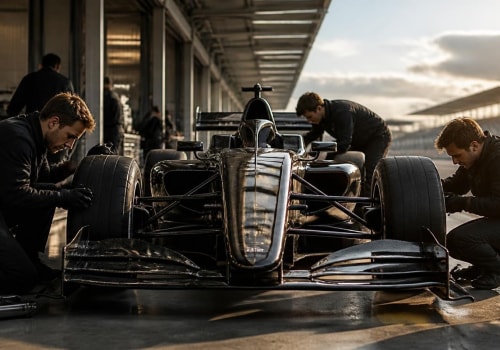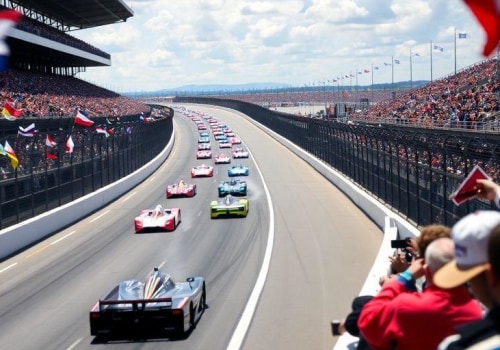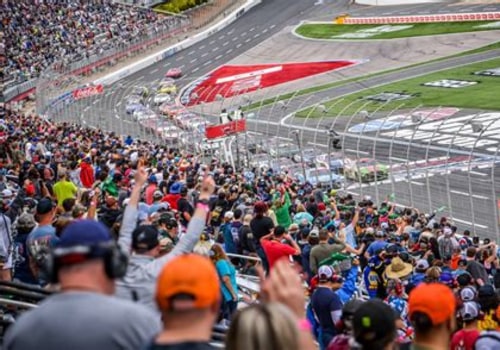
Motorsport events have captivated audiences around the globe, drawing in millions of fans who revel in the thrill of speed, competition, and engineering excellence. From the roaring engines of Formula 1 to the rugged terrains of rally racing, these events showcase not only the skill of the drivers but also the intricate rules and regulations that govern them. Understanding these rules and regulations is essential for anyone looking to appreciate the sport fully or participate in it.The world of motorsport events is vast and varied, encompassing a range of disciplines such as circuit racing, off-road competitions, and endurance challenges. Each type of event comes with its own set of guidelines designed to ensure safety, fairness, and sportsmanship.
These regulations cover everything from vehicle specifications and safety equipment to race formats and conduct on the track. For instance, in Formula 1, strict technical regulations dictate everything from aerodynamics to engine performance, while rally events may focus more on navigation and terrain adaptability.As motorsport continues to grow in popularity, so does the importance of adhering to these established rules. They not only protect participants but also enhance the overall experience for fans and teams alike. By familiarizing oneself with the overview of these regulations, enthusiasts can gain a deeper appreciation for the complexities involved in each race.
Whether you are a seasoned fan or a newcomer to the sport, understanding the framework that supports motorsport events is crucial for enjoying this exhilarating world.
Types of Motorsport Events
Motorsport events encompass a wide range of racing types, each with its own unique characteristics and regulations. Understanding these types of motorsport events is crucial for both participants and fans alike, as it helps clarify the specific rules that govern each category.- Formula Racing: This category includes prestigious events like Formula 1 and Formula E. These races are held on closed circuits and feature single-seater cars designed for high-speed performance. Regulations in this category focus heavily on vehicle specifications, safety standards, and team operations.
- Rallying: Rally events take place on public or private roads, often featuring a mix of surfaces such as gravel, tarmac, and snow.
Competitors race against the clock rather than each other, and regulations emphasize navigation skills, vehicle modifications, and safety equipment.
- Motocross: This off-road motorcycle racing takes place on closed circuits with various obstacles. Motocross events have specific rules regarding bike modifications, rider gear, and track safety to ensure fair competition and minimize injuries.
- Touring Car Racing: In this category, modified road cars compete on closed tracks. Touring car events have strict regulations regarding vehicle weight, engine specifications, and safety features to maintain competitive balance while ensuring driver safety.
- Drag Racing: This type of racing involves two vehicles competing in a straight line over a short distance. Regulations focus on vehicle performance standards, safety gear for drivers, and track conditions to ensure fair competition.
By understanding the nuances of each type of event, enthusiasts can better appreciate the complexities involved in motorsport competitions.
Governing Bodies in Motorsport
In the world of motorsport events, governing bodies play a crucial role in establishing and enforcing rules that ensure fair competition, safety, and integrity. Two of the most prominent organizations are the Fédération Internationale de l'Automobile (FIA) and National Association for Stock Car Auto Racing (NASCAR).The FIA is the global governing body for motorsport, overseeing a wide range of events from Formula One to rally racing. Established in 1904, the FIA is responsible for setting international standards and regulations that all member countries must adhere to. This includes:- Technical Regulations: These dictate the specifications for vehicles, including engine size, weight, and safety features.
- Sporting Regulations: These cover the rules of competition, including race formats, qualifying procedures, and penalties for infractions.
- Safety Standards: The FIA mandates safety protocols to protect drivers, teams, and spectators during events.
Founded in 1948, it has developed its own set of rules tailored to the unique aspects of American motorsport culture. Key elements include:
- Car Specifications: NASCAR has strict guidelines on vehicle design to ensure parity among competitors.
- Race Procedures: This includes rules on pit stops, cautions, and race restarts that are specific to NASCAR events.
- Enforcement Mechanisms: NASCAR employs a team of officials who monitor races to enforce rules and ensure compliance.
Safety Regulations in Motorsport Events
In the world of motorsport events, safety regulations are paramount to ensure the well-being of both drivers and spectators.These regulations are designed to minimize risks and create a secure environment during races, rallies, and other competitive motorsport activities.
Driver Safety
- Personal Protective Equipment (PPE): Drivers are required to wear specific gear, including fire-resistant suits, helmets, gloves, and shoes. This equipment is crucial in protecting them from potential injuries during accidents.
- Vehicle Safety Standards: All vehicles must meet stringent safety standards, which include roll cages, seat belts, and fuel cell requirements. These features are designed to protect drivers in the event of a crash.
- Medical Preparedness: Motorsport events must have medical personnel on-site, equipped with the necessary tools and training to respond quickly to any incidents. This includes ambulances and trauma care facilities.
Event Safety Standards
- Track Inspection: Before any event, tracks undergo thorough inspections to identify potential hazards.
This includes checking for debris, ensuring proper drainage, and assessing barriers.
- Spectator Safety: Regulations dictate safe viewing areas for spectators, including barriers and fencing to prevent unauthorized access to dangerous zones. Additionally, crowd control measures are implemented to ensure safety during high-traffic times.
- Emergency Protocols: Each event must have a clear emergency response plan that outlines procedures for various scenarios, including accidents or severe weather conditions. This ensures that all personnel know their roles in maintaining safety.
Technical Regulations for Vehicles
In the realm of motorsport events, adhering to technical regulations is crucial for ensuring a level playing field among competitors. These regulations encompass a wide range of vehicle specifications that must be met to maintain safety, performance, and fairness.Vehicle specifications
typically include parameters such as engine size, weight limits, and aerodynamic features.For instance, many racing series impose strict limits on engine displacement to prevent any single team from gaining an unfair advantage through superior power. Additionally, weight restrictions are often enforced to ensure that all vehicles compete on equal footing, which can significantly impact handling and speed.
- Engine Regulations: Specifications regarding engine type, fuel type, and power output are common. Some events may require the use of specific fuel blends to promote sustainability.
- Safety Standards: Compliance with safety regulations is non-negotiable. This includes requirements for roll cages, seat belts, and fire suppression systems to protect drivers in the event of an accident.
- Aerodynamic Components: Many motorsport events have rules governing the use of aerodynamic aids such as wings and diffusers.
These components can greatly influence a vehicle's performance and must adhere to specified dimensions and designs.
Environmental Regulations in Motorsport
As the world becomes increasingly aware of environmental issues, motorsport events are adapting to meet new sustainability standards.This shift is not only a response to public demand but also a proactive approach to ensure the longevity of the sport. Various governing bodies and organizations are implementing environmental regulations that aim to minimize the ecological footprint of racing activities.
Key Environmental Regulations in Motorsport
- Emission Standards: Many racing series are adopting stricter emission regulations for vehicles. This includes limits on carbon dioxide and other harmful gases, pushing teams to innovate with cleaner technologies.
- Fuel Alternatives: The use of biofuels and synthetic fuels is becoming more common in motorsport. These alternatives not only reduce greenhouse gas emissions but also promote the development of sustainable fuel sources.
- Noise Regulations: To minimize noise pollution, some events are enforcing limits on decibel levels, encouraging teams to develop quieter engines and exhaust systems.
- Waste Management: Effective waste management practices are being mandated at events, including recycling programs and proper disposal of hazardous materials.
Sustainability Initiatives in Racing
Beyond regulations, many motorsport organizations are taking proactive steps towards sustainability.
For instance, the Formula E series focuses on electric vehicles, showcasing how racing can lead the way in sustainability in racing. Additionally, initiatives like planting trees for every race held or partnering with environmental organizations help offset the carbon footprint of events.
Eco-Friendly Practices Adopted by Teams
- Energy Efficiency: Teams are investing in energy-efficient technologies for their operations, including solar panels and energy-efficient lighting at their facilities.
- Sustainable Materials: The use of recyclable materials in car construction and event setups is becoming a standard practice.
- Community Engagement: Many teams engage with local communities to promote environmental awareness and encourage eco-friendly practices among fans.
Common Penalties and Violations in Motorsport Events
In the world of motorsport events, adherence to rules is crucial for ensuring fair competition and safety. Violations can lead to a range of penalties, which vary depending on the severity of the infraction.Common Violations
- Speeding in the Pits: Exceeding the designated speed limit in the pit area can result in a time penalty or even disqualification.
- Technical Non-Compliance: Failing to meet vehicle specifications, such as weight or engine modifications, can lead to disqualification from the event.
- Unsafe Driving: Actions deemed dangerous, such as reckless overtaking or causing collisions, may incur penalties ranging from time deductions to suspension from future events.
- Ignoring Flags: Not adhering to flag signals (e.g., yellow flags indicating caution) can result in penalties, as these are critical for maintaining safety on the track.
Penalties and Consequences
The consequences of violating rules in motorsport events can be severe.Common penalties include:
- Time Penalties: Adding time to a competitor's overall race time is a frequent consequence for minor infractions.
- Grid Penalties: For certain violations, drivers may be forced to start from a lower position in subsequent races.
- Disqualification: In cases of serious violations, a competitor may be disqualified from the event entirely, losing any points or standings accrued.
- Suspension: Repeat offenders may face suspensions from future events, impacting their racing career significantly.
Frequently Asked Questions about Motorsport Regulations
Understanding motorsport regulations can be daunting, especially for newcomers. Here are some frequently asked questions that can help clarify common doubts:- What are the basic safety regulations in motorsport events?
Safety is paramount in any motorsport event. Basic regulations often include the use of helmets, fire-resistant suits, and proper seat belts.Additionally, vehicles must be equipped with safety features like roll cages and fire extinguishers.
- How are penalties determined in racing?
Penalties can vary based on the severity of the infraction. Common penalties include time penalties, disqualification, or fines. Race officials typically review incidents and apply penalties according to established guidelines. - Are there different rules for different types of motorsport?
Yes, motorsport events encompass a wide range of disciplines, including Formula 1, NASCAR, and rally racing. Each has its own set of rules tailored to the specific demands and safety concerns of that discipline. - What is the role of a race steward?
Race stewards are responsible for enforcing the rules during an event.They monitor the race for compliance with regulations and have the authority to impose penalties for infractions.
- How can I find the specific regulations for a particular event?
Most motorsport events publish their regulations on official websites or through governing bodies. It’s essential to review these documents before participating or attending an event.
Conclusion: The Importance of Adhering to Motorsport Regulations
In conclusion, the adherence to rules and regulations in motorsport events is not merely a formality; it is a fundamental aspect that ensures the safety of participants and the integrity of the competition. Throughout this article, we have explored various regulations that govern these thrilling events, from safety protocols to technical specifications.Understanding and following these regulations is crucial for several reasons:- Safety: The primary goal of any regulation is to protect drivers, teams, and spectators.
Compliance with safety standards minimizes the risk of accidents and injuries.
- Fair Competition: Regulations ensure that all participants compete on a level playing field. This fairness is essential for maintaining the sport's credibility and appeal.
- Legal Compliance: Motorsport events are often subject to local, national, and international laws. Adhering to these regulations helps avoid legal issues that could jeopardize an event.
- Reputation: Organizations that enforce strict compliance with rules enhance their reputation within the motorsport community. This can lead to increased sponsorship opportunities and fan engagement.
It is vital for all stakeholders—drivers, teams, organizers, and fans—to stay informed about these changes. By doing so, they contribute to a culture of respect for the sport and its governing bodies.Ultimately, the commitment to following established rules not only fosters a safer environment but also enriches the overall experience of motorsport events. As we look forward to future competitions, let us remember that every race is a testament to the dedication of those who prioritize safety and fairness above all else.