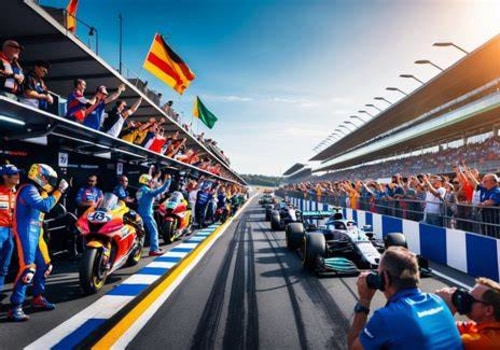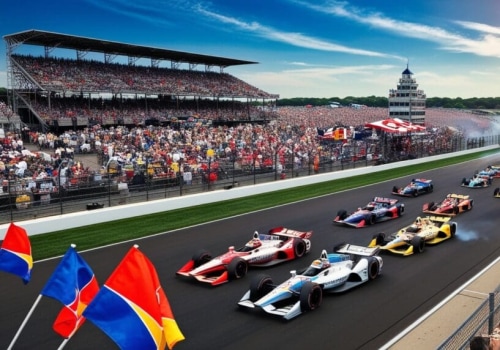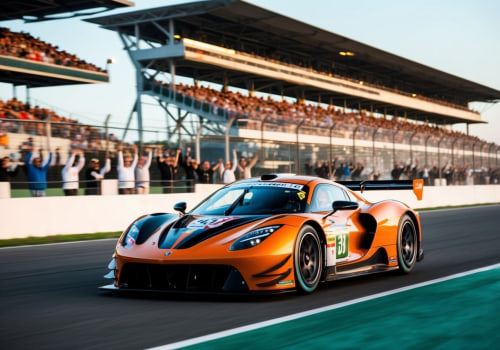
The world of motorsport events has undergone a remarkable transformation over the past few decades, largely driven by advancements in technology. From the roar of engines to the thrill of high-speed action, the experience of attending these events has evolved significantly, enhancing not only the excitement but also the accessibility and engagement for fans. As technology continues to advance, it reshapes how spectators interact with their favorite sports, creating a more immersive and interactive environment. One of the most significant changes has been the integration of digital platforms and mobile applications that allow fans to stay connected with real-time updates, race statistics, and driver information. This shift has made it easier for attendees to navigate large venues, find their favorite food stalls, or even locate friends within the crowd.
Moreover, innovations such as augmented reality (AR) and virtual reality (VR) are beginning to play a pivotal role in how fans experience motorsport events, offering unique perspectives that were once unimaginable. As we delve deeper into this topic, we will explore how these technological advancements not only enhance the motorsport experience but also contribute to the evolution of the sport itself. From improved safety measures to enhanced broadcasting capabilities, technology is not just a tool; it is a catalyst for change that continues to redefine what it means to be a motorsport fan in today’s fast-paced world.
The Role of Live Streaming and Broadcasting
The advent of live streaming and advanced broadcasting technologies has revolutionized the way fans experience motorsport events. No longer confined to the grandstands, enthusiasts can now engage with their favorite races from virtually anywhere in the world. This shift has not only enhanced accessibility but also transformed the overall viewing experience.One of the most significant changes is the ability to watch motorsport events online in real-time.Fans can tune in to live broadcasts through various platforms, including official league websites, social media channels, and dedicated streaming services. This flexibility allows viewers to choose their preferred devices, whether it be a smartphone, tablet, or smart TV, making it easier than ever to catch every thrilling moment.
Enhanced Viewing Experience
- Multiple Camera Angles: Advanced broadcasting technology provides multiple camera angles and on-screen graphics that enhance the viewing experience. Fans can switch between different perspectives, gaining insights into the race that were previously unavailable.
- Real-Time Data: Live streaming platforms often integrate real-time statistics and telemetry data, allowing fans to follow their favorite drivers' performance metrics as they unfold during the race.
- Interactive Features: Many platforms now offer interactive features such as live chats and polls, enabling fans to engage with each other and share their thoughts while watching.
As technology continues to evolve, we can expect even more exciting developments that will further enhance how we watch and engage with motorsport.
Enhanced Fan Engagement through Mobile Apps
The advent of mobile apps has revolutionized the way fans engage with motorsport events. These applications serve as a comprehensive platform that enhances the overall experience, making it more interactive and personalized.One of the standout features of these apps is the provision of live updates. Fans can receive real-time information about race standings, lap times, and even driver statistics directly on their smartphones. This immediacy allows spectators to stay informed, whether they are in the grandstands or watching from home.Additionally, many motorsport event apps include interactive maps of the venue.These maps guide fans to key locations such as food stalls, merchandise shops, and restrooms, ensuring they don’t miss any part of the action. This feature is particularly beneficial in large venues where navigating can be challenging.Another significant aspect is the integration of social media. Fans can share their experiences in real-time, post photos, and interact with other attendees through the app. This not only fosters a sense of community but also amplifies the event's reach as fans share their excitement with followers who may not be present.Moreover, many apps offer exclusive content such as behind-the-scenes videos, interviews with drivers, and access to special promotions.
This added value keeps fans engaged long after the event has concluded.In conclusion, mobile applications have become an essential tool for enhancing fan engagement at motorsport events. By providing live updates, interactive maps, social media integration, and exclusive content, these apps create a more immersive experience that keeps fans connected to the sport they love.
Virtual Reality and Augmented Reality Experiences
The integration of Virtual Reality (VR) and Augmented Reality (AR) technologies into motorsport events has revolutionized the way fans experience racing, both at the track and from the comfort of their homes. These immersive technologies not only enhance the viewing experience but also deepen the emotional connection fans have with their favorite sports and teams.VR in Motorsport Events
- Virtual Reality allows fans to step into the shoes of their favorite drivers, offering a first-person perspective of the race. With VR headsets, users can experience the thrill of speeding around a track, feeling every turn and acceleration as if they were behind the wheel.
- Many racing organizations are now offering VR simulations that replicate real-life tracks, enabling fans to practice their skills or simply enjoy a virtual ride during off-peak times.
- This technology also facilitates remote attendance, allowing fans who cannot physically attend a race to feel as though they are part of the action.
AR Experiences in Motorsport
- Augmented Reality enhances live events by overlaying digital information onto the real-world environment.
For instance, fans can use AR apps on their smartphones to access real-time statistics about drivers, track conditions, and even interactive maps of the venue.
- Some events have introduced AR features that allow spectators to view 3D models of cars or see driver bios and stats by simply pointing their devices at specific areas around the track.
- This interactive layer not only entertains but also educates fans about the intricacies of motorsport, making it more accessible to newcomers.
The Future of Immersive Technology in Motorsport
The future looks promising as immersive technology continues to evolve. Innovations such as haptic feedback suits could allow fans to feel vibrations and impacts during races, further enhancing realism. As these technologies become more mainstream, we can expect an even greater transformation in how motorsport events are experienced, making them more engaging and inclusive for all fans.
Data Analytics and Performance Tracking
The integration of data analytics and performance tracking technology has revolutionized the landscape of motorsport events, enhancing both team strategies and fan engagement. Teams now leverage vast amounts of data collected from various sources, including telemetry systems, to gain insights into vehicle performance and driver behavior.Telemetry in motorsports
plays a crucial role in this transformation.It involves the real-time collection of data from the car, such as speed, tire pressure, fuel consumption, and engine temperature. This data is transmitted back to the pit crew, allowing them to make informed decisions during the race. For instance, if a driver is experiencing tire degradation, the team can adjust their strategy accordingly, whether that means calling for an early pit stop or altering driving tactics.Moreover, the use of data analytics extends beyond just team strategy. Fans attending motorsport events can now access detailed insights through various platforms and applications.
These tools provide real-time statistics and performance metrics that enhance the spectator experience. Fans can track their favorite drivers' lap times, compare performance against competitors, and even analyze historical data to understand trends.This level of engagement not only makes the event more exciting but also educates fans about the intricacies of racing. For example, many apps now offer features that allow fans to view live telemetry data from their favorite cars, giving them a deeper understanding of how different factors affect performance on the track.In summary, the advent of data analytics and performance tracking technologies has significantly enriched the experience of motorsport events. By providing teams with actionable insights and offering fans unprecedented access to performance data, technology has bridged the gap between competitors and spectators, making motorsports more engaging than ever before.
Social Media's Impact on Motorsport Events
In recent years, social media has revolutionized the way fans engage with motorsport events.Platforms like Twitter, Instagram, and Facebook have become essential tools for both fans and organizers, enhancing the overall experience of attending these thrilling events.
Real-Time Updates
- Fans can receive live updates on race conditions, driver performances, and unexpected incidents directly from the event.
- Social media allows for instant sharing of highlights, making it possible for fans to relive key moments even if they missed them in person.
- Event organizers utilize social media to communicate important information, such as schedule changes or safety protocols, ensuring that attendees are well-informed.
Community Building
- Social media fosters a sense of community among fans. Hashtags specific to events allow attendees to share their experiences and connect with others who share their passion for motorsports.
- Fan interactions through comments and shares create a vibrant online atmosphere that extends beyond the physical event, allowing for ongoing discussions and connections.
- Many teams and drivers actively engage with their followers, responding to comments and sharing behind-the-scenes content that deepens fan loyalty.
Marketing Strategies
- Motorsport organizations leverage social media for targeted marketing campaigns, reaching potential attendees through tailored advertisements and promotions.
- Influencer partnerships have become a common strategy, where popular figures in the motorsport community promote events to their followers, expanding reach and engagement.
- Contests and giveaways on social media platforms not only boost engagement but also incentivize attendance at events, creating excitement around upcoming races.
Safety Innovations in Motorsport Events
In recent years, technology has played a pivotal role in enhancing safety at motorsport events, ensuring that both participants and spectators can enjoy the thrill of racing with reduced risk. Innovations in motorsport safety have transformed the landscape, making it one of the most secure environments for high-speed competition.One of the most significant advancements is the development of advanced crash barriers.These barriers are designed to absorb impact energy more effectively than traditional barriers, significantly reducing the risk of injury to drivers and spectators alike. For instance, the use of SAFER barriers (Steel and Foam Energy Reduction) has become standard at many tracks, providing a safer cushion during collisions.Additionally, the implementation of real-time data monitoring systems has revolutionized how safety is managed during races. These systems allow race officials to monitor vehicle performance and driver behavior continuously, enabling quick responses to potential hazards. For example, if a car experiences mechanical failure or a driver shows signs of distress, officials can intervene promptly to prevent accidents.
Spectator safety
has also seen remarkable improvements.
Enhanced crowd control measures, including advanced ticketing systems and improved access management, help ensure that fans are safely positioned away from high-risk areas. Furthermore, many venues now utilize drone technology for aerial surveillance, allowing for real-time monitoring of large crowds and quick identification of any safety concerns.The integration of virtual reality (VR) and augmented reality (AR) technologies is another exciting development. These technologies not only enhance the spectator experience but also serve as training tools for emergency responders at events. By simulating various scenarios, responders can better prepare for emergencies, ensuring a swift and effective response should an incident occur.In conclusion, the ongoing advancements in safety technology at motorsport events are crucial in creating a secure environment for everyone involved.
As these innovations continue to evolve, they not only protect participants but also enhance the overall experience for fans, making motorsport events safer and more enjoyable than ever before.
Sustainability Efforts Through Technology
As the world becomes increasingly aware of environmental issues, sustainability efforts in motorsport events have gained significant traction. Technology plays a pivotal role in this transformation, enabling racing organizations to adopt eco-friendly practices that minimize their carbon footprint.Innovative Technologies for Sustainability
- Electric and Hybrid Vehicles: The introduction of electric and hybrid racing series, such as Formula E, showcases how technology can lead to a more sustainable future. These vehicles not only reduce emissions but also promote advancements in battery technology and energy efficiency.
- Renewable Energy Sources: Many motorsport venues are now utilizing renewable energy sources, such as solar and wind power, to operate their facilities. This shift not only reduces reliance on fossil fuels but also sets a precedent for other industries.
- Smart Waste Management: Advanced waste management systems are being implemented at events to ensure proper recycling and waste reduction.
Technologies like smart bins equipped with sensors help track waste levels and optimize collection routes, reducing unnecessary emissions from waste transport.
Eco-Friendly Practices in Racing
- Sustainable Materials: The use of sustainable materials in car manufacturing and event infrastructure is becoming more common. For instance, some teams are exploring biodegradable composites and recycled materials to construct race cars.
- Carbon Offsetting: Many racing organizations are investing in carbon offset programs to balance out their emissions. By funding reforestation projects or renewable energy initiatives, they contribute positively to the environment.
- Fan Engagement: Technology also enhances fan engagement with sustainability initiatives. Apps and platforms that educate attendees about eco-friendly practices during events encourage them to participate actively in sustainability efforts.
As the industry continues to evolve, these innovations will play a crucial role in shaping the future of motorsports.
Future Trends in Motorsport Event Technology
As we look towards the future of motorsport events, several exciting trends and innovations are poised to reshape the fan experience. With advancements in technology, the way spectators engage with racing is evolving rapidly, promising a more immersive and interactive environment.1.Enhanced Augmented Reality (AR) Experiences
- AR applications will allow fans to visualize real-time data overlays on their devices, providing insights into car performance, driver stats, and race strategies.
- Imagine pointing your smartphone at a car and instantly receiving detailed information about its specifications and history.
2.Virtual Reality (VR) Integration
- VR technology is set to revolutionize how fans experience races from the comfort of their homes or even at the track.
- With VR headsets, attendees could enjoy a 360-degree view of the race, feeling as if they are in the driver's seat or standing on the pit lane.
3.Advanced Data Analytics
- Data analytics will play a crucial role in enhancing fan engagement. By analyzing audience preferences and behaviors, event organizers can tailor experiences to meet the needs of different demographics.
- This could include personalized content delivery through mobile apps, ensuring fans receive updates and information that matter most to them.
4.Sustainable Technologies
- The push for sustainability in motorsports will lead to innovations such as electric vehicles and eco-friendly event practices.
- Fans can expect to see more green initiatives at events, including renewable energy sources powering facilities and waste reduction programs.
5.Improved Connectivity
- With the rollout of 5G technology, connectivity at motorsport events will become faster and more reliable, allowing for seamless streaming of live content and enhanced social media interactions.
- This will enable fans to share their experiences in real-time, further amplifying the excitement of race day.
Conclusion: The Future of Motorsport Events with Technology
As we look towards the future of motorsport events, it is clear that technology will continue to play a pivotal role in enhancing the spectator experience.The integration of advanced technologies has not only transformed how fans engage with their favorite sports but has also set new standards for what attendees can expect when they arrive at the track.One of the most significant advancements is the rise of virtual reality (VR) and augmented reality (AR). These technologies allow fans to immerse themselves in the action like never before. Imagine being able to experience a race from the driver's perspective or accessing real-time data overlays that provide insights into vehicle performance and strategy. This level of engagement can deepen fans' appreciation for the sport and create a more interactive atmosphere.Moreover, the use of mobile applications has revolutionized how spectators navigate events.
With features such as live updates, interactive maps, and personalized schedules, fans can optimize their experience, ensuring they don’t miss any of the action. These apps also facilitate social interactions, allowing attendees to share their experiences in real-time on social media platforms.Additionally, advancements in broadcast technology have made it possible for fans who cannot attend in person to enjoy high-quality coverage from anywhere in the world. Enhanced camera angles, drone footage, and multi-camera views provide a comprehensive viewing experience that rivals being at the event itself.In conclusion, as technology continues to evolve, so too will the landscape of motorsport events. The future promises even more innovative solutions that will enhance fan engagement, improve accessibility, and create unforgettable experiences.
Embracing these changes will be essential for organizers looking to attract new audiences while keeping existing fans excited about the sport.