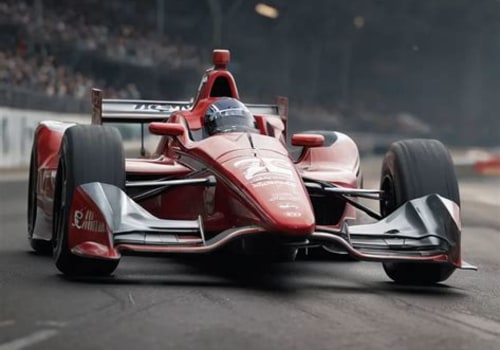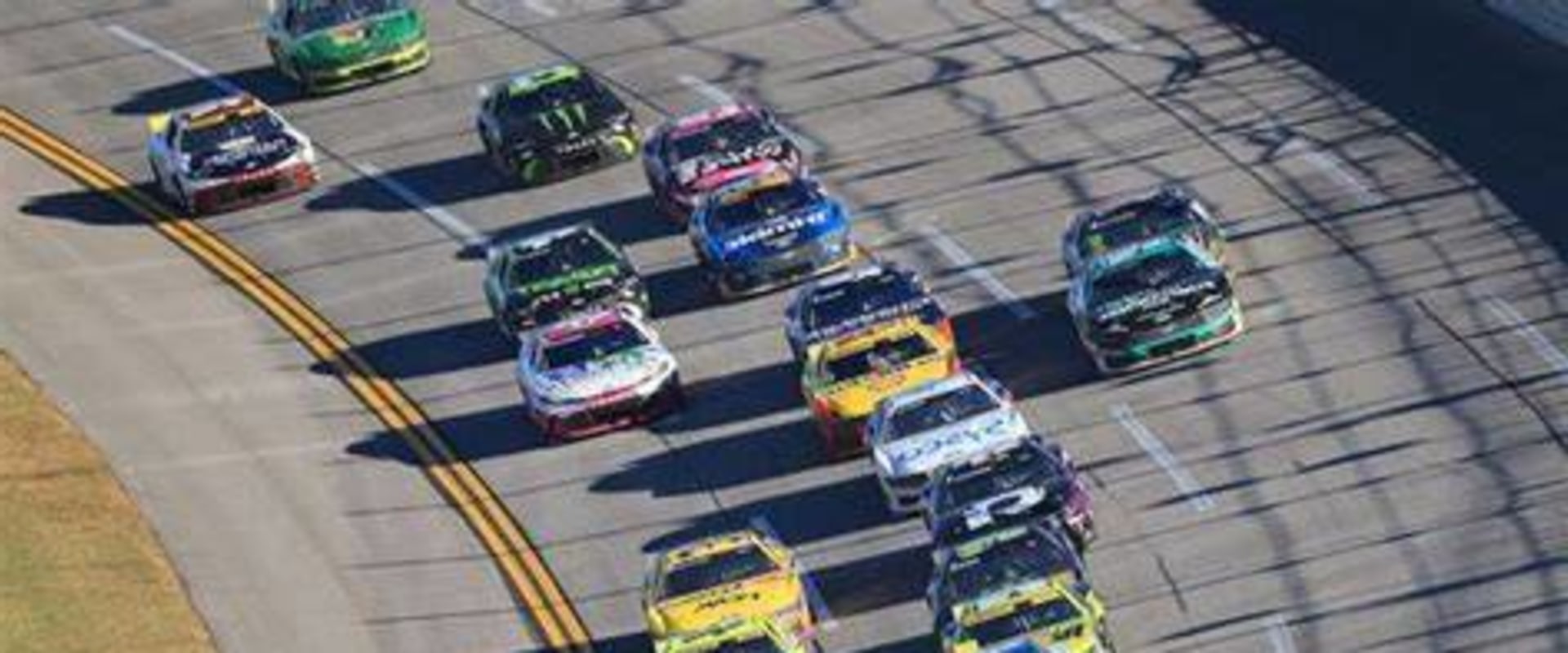
In the world of motorsport events, the atmosphere is charged with adrenaline and anticipation. These high-stakes competitions are not just about speed; they are a test of skill, strategy, and mental fortitude. Drivers find themselves in a unique environment where every second counts, and the pressure to perform can be overwhelming. Whether it's a Formula 1 race, a NASCAR event, or an endurance challenge like Le Mans, the stakes are incredibly high, and the margin for error is razor-thin. As drivers navigate the complexities of their vehicles and the intricacies of the track, they must also contend with external pressures from fans, sponsors, and their own teams.
The weight of expectations can be immense, as each driver strives not only for personal glory but also to uphold the reputation of their team and brand. This intense environment creates a psychological battleground where mental resilience is as crucial as physical skill. Understanding how drivers handle this pressure is essential to appreciating the sport itself. It involves a combination of rigorous training, mental conditioning, and strategic thinking. In the following sections, we will delve deeper into the specific techniques and mindsets that enable these athletes to thrive under pressure, transforming potential stress into performance-enhancing focus.
The Psychological Impact of Competition
In the high-octane world of motorsport events, the psychological impact of competition is profound and multifaceted.Drivers are not only challenged by the physical demands of racing but also by the intense mental pressure that accompanies their performance. This pressure can manifest in various forms, including anxiety, focus issues, and the need for mental resilience.
Anxiety
is a common experience among drivers, especially during critical moments such as qualifying rounds or final laps. The fear of failure, coupled with the expectations from teams and fans, can create a significant mental burden. Many drivers report feeling a heightened sense of nervousness before a race, which can affect their concentration and overall performance.To combat this anxiety, drivers often employ various mental health strategies.Techniques such as visualization, mindfulness, and breathing exercises are commonly used to enhance focus and calm nerves. For instance, visualizing a successful race can help drivers mentally prepare for the challenges ahead, allowing them to enter the track with confidence.
- Focus: Maintaining focus during a race is crucial. Drivers must be able to tune out distractions and remain fully engaged with their surroundings. This level of concentration requires immense mental discipline.
- Mental Resilience: The ability to bounce back from setbacks is vital in motorsport.
Drivers often face unexpected challenges, such as mechanical failures or accidents. Developing mental resilience helps them to stay composed and adapt quickly to changing situations.
By addressing mental health proactively and employing effective coping strategies, drivers can enhance their ability to handle competition stress and thrive in high-pressure environments.
Physical Preparation and Endurance Training
In the world of motorsport events, the physical demands placed on drivers are immense. To excel in high-stakes situations, drivers must undergo rigorous physical training that enhances their endurance, strength, and overall fitness. This preparation is crucial not only for performance but also for safety during intense races.Endurance in racing
is paramount. Drivers often experience extreme physical stress, including high G-forces, prolonged periods of concentration, and fluctuating temperatures inside the cockpit.To combat these challenges, many drivers engage in a variety of training regimens:
- Cardiovascular Training: Activities such as running, cycling, and swimming help improve heart health and stamina, allowing drivers to maintain focus and energy throughout long races.
- Strength Training: Core strength is vital for controlling the vehicle under high speeds and G-forces. Weightlifting and resistance exercises target key muscle groups used in driving.
- Flexibility and Mobility Work: Stretching routines and yoga can enhance flexibility, which is essential for maneuvering within the tight confines of a race car.
Many drivers incorporate mental conditioning techniques such as visualization and mindfulness to enhance focus and reduce anxiety during races. This holistic approach to training ensures that they are not only physically fit but also mentally prepared to handle the pressures of competitive racing.Ultimately, the combination of rigorous physical training, proper nutrition, and mental fortitude equips drivers to face the challenges of motorsport events, allowing them to perform at their best when it matters most.
Techniques for Managing Stress During Races
In the high-pressure environment of motorsport events, drivers must employ effective techniques to manage stress and maintain peak performance. Here are some key strategies that have proven beneficial:- Breathing Exercises: One of the simplest yet most effective methods for managing stress is through controlled breathing. Drivers often practice deep breathing techniques, such as the 4-7-8 method, where they inhale for four seconds, hold for seven seconds, and exhale for eight seconds.
This technique helps to calm the mind and reduce anxiety.
- Visualization: Many successful drivers use visualization techniques to mentally prepare for races. By imagining themselves navigating the track successfully, they can enhance their focus and confidence. This mental rehearsal allows them to anticipate challenges and visualize overcoming them, which can significantly reduce stress during actual events.
- Positive Self-Talk: Maintaining a positive mindset is crucial in high-stakes situations. Drivers often engage in positive self-talk, reminding themselves of their skills and past successes.
Phrases like "I am prepared" or "I can handle this" can help shift their mindset from doubt to confidence.
- Routine and Rituals: Establishing a pre-race routine can provide a sense of control and familiarity. Many drivers have specific rituals they follow before getting into the car, such as listening to music, stretching, or reviewing their race strategy. These routines help to ground them and reduce feelings of uncertainty.
- Meditation and Mindfulness: Incorporating mindfulness practices into their training can help drivers stay present during races. Techniques such as meditation or mindfulness exercises allow them to focus on the moment rather than getting overwhelmed by the pressure of competition.
The ability to cope with stress not only improves their racing performance but also contributes to their overall well-being in a demanding sport.
The Role of Team Support and Communication
In the high-pressure environment of motorsport events, the role of team support and communication is crucial for a driver’s performance. The dynamics within a racing team can significantly influence how well a driver manages stress and makes critical decisions on the track.Team Dynamics in Motorsport
- Collaboration: Successful teams foster a culture of collaboration, where each member understands their role and how it contributes to the overall success of the event. This synergy allows drivers to focus on their performance without being overwhelmed by external pressures.
- Trust: Trust between drivers and their teams is essential. When drivers know they can rely on their crew for timely pit stops, accurate data, and strategic advice, they can concentrate on racing rather than worrying about potential mistakes.
Communication in Racing Teams
- Real-time Feedback: Effective communication channels enable teams to provide real-time feedback to drivers during races.
This information can include tire performance, fuel levels, and competitor strategies, allowing drivers to make informed decisions under pressure.
- Pre-race Briefings: Regular pre-race meetings help align the team’s strategy and ensure that everyone is on the same page. These briefings are vital for discussing potential challenges and establishing clear communication protocols for race day.
Support Systems for Drivers
- Mental Coaching: Many teams now incorporate mental coaching as part of their support systems. These professionals help drivers develop coping strategies for managing anxiety and maintaining focus during high-stakes situations.
- Emotional Support: Beyond technical skills, emotional support from team members can bolster a driver’s confidence. Celebrating small victories and providing encouragement during tough times can make a significant difference in a driver’s mindset.
By cultivating a strong team environment, racing teams not only enhance performance but also contribute to the overall well-being of their drivers.
Real-Life Examples: Drivers Who Overcame Pressure
Throughout the history of motorsport events, numerous drivers have faced immense pressure and emerged victorious, showcasing their ability to perform under stress. Here are a few notable examples:Michael Schumacher: The Comeback King
In the 2006 season, Michael Schumacher was in a tight battle for the World Championship. During the final race in Brazil, he needed to finish at least third to secure his title. With the pressure mounting, Schumacher delivered a masterclass in racing, starting from 10th position and navigating through the field with precision.His ability to remain calm and focused under pressure allowed him to clinch the championship in dramatic fashion.
Lewis Hamilton: Mastering the Final Lap
At the 2008 Brazilian Grand Prix, Lewis Hamilton faced one of the most intense moments of his career. Needing to finish at least 6th to win his first World Championship, Hamilton found himself in 6th place on the last lap, with rain starting to fall. As conditions worsened, many drivers struggled, but Hamilton kept his composure. He made a crucial pass on the final corner, finishing 1st and securing the championship by just one point.This moment exemplifies how overcoming pressure in racing can lead to historic success.
Dale Earnhardt: The Intimidator's Resolve
Dale Earnhardt was known for his fierce competitiveness and ability to handle pressure. In the 1998 Daytona 500, he faced a challenging situation when he was involved in a late-race crash that put him at the back of the pack. With only a few laps remaining, Earnhardt showcased his skill and determination by maneuvering through traffic and finishing in 2nd place. His experience and mental fortitude under pressure made him a legendary figure in motorsport success stories.These examples illustrate that success in motorsport events often hinges on a driver's ability to manage stress effectively.Whether it's through strategic thinking, maintaining focus, or drawing on past experiences, these drivers have shown that overcoming pressure is not just about physical skill but also mental resilience.
Frequently Asked Questions About Pressure in Motorsport Events
Understanding how drivers cope with pressure during motorsport events is crucial for fans and aspiring racers alike. Here are some frequently asked questions that shed light on this intense aspect of racing.What are the common sources of pressure for drivers?
- Performance Expectations: Drivers often face immense pressure to perform well, not just from their teams but also from sponsors and fans.
- Competition: The presence of skilled competitors can heighten stress levels, as drivers strive to outperform their rivals.
- Media Scrutiny: With the spotlight on them, drivers must navigate the challenges of media attention and public opinion.
How do drivers manage stress during races?
- Mental Preparation: Many drivers engage in mental conditioning techniques, such as visualization and mindfulness, to prepare for the pressures of racing.
- Physical Fitness: Maintaining peak physical condition helps drivers manage stress and fatigue, allowing them to focus better during high-pressure situations.
- Team Support: A strong support system within the team can alleviate some pressure, as drivers rely on their crew for strategy and encouragement.
What coping mechanisms do successful drivers use?
- Breathing Techniques: Controlled breathing can help calm nerves and maintain focus during critical moments in a race.
- Routine Establishment: Many drivers develop pre-race routines that help them get into the right mindset, reducing anxiety and enhancing performance.
- Experience: Over time, seasoned drivers learn to embrace pressure as part of the sport, using it to fuel their performance rather than hinder it.
Conclusion: Key Takeaways on Handling Pressure in Motorsport Events
In conclusion, understanding how drivers handle pressure during motorsport events is crucial for both aspiring racers and fans alike. The ability to perform under intense scrutiny and high stakes is what separates the best from the rest. Here are some key takeaways:- Preparation is Key: Successful drivers invest significant time in physical and mental training.
This preparation not only enhances their skills but also builds confidence, allowing them to face pressure head-on.
- Mindset Matters: A positive and focused mindset can significantly impact a driver’s performance. Techniques such as visualization and mindfulness help drivers maintain composure, even in the most challenging situations.
- Team Support: The role of a supportive team cannot be overstated. From engineers to pit crew, having a reliable support system allows drivers to concentrate on their performance without being overwhelmed by external pressures.
- Experience Counts: With each race, drivers gain valuable experience that helps them manage pressure more effectively. Learning from past mistakes and successes enables them to develop strategies for future motorsport events.
By focusing on preparation, mindset, teamwork, and experience, drivers can enhance their performance in motorsport events, turning high-pressure situations into opportunities for success.