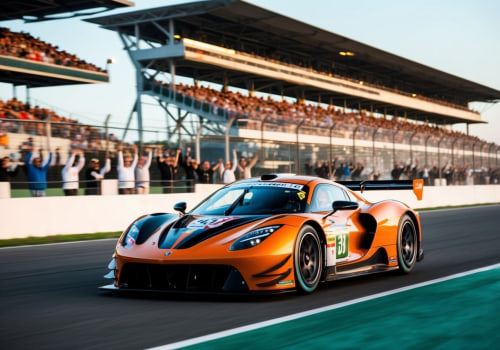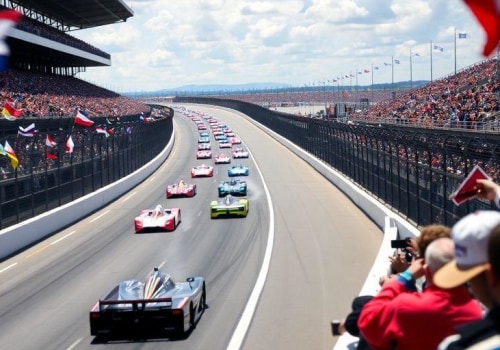
Motorsport events have captivated audiences around the globe, drawing in millions of fans who are eager to witness the thrill of high-speed competition. From Formula 1 to NASCAR, these events not only showcase incredible driving skills but also serve as a platform for technological innovation and brand promotion. The excitement surrounding motorsport events is palpable, with fans often traveling great distances to experience the adrenaline rush firsthand. However, organizing such large-scale events is no small feat. The complexities involved in planning and executing a successful motorsport event can be daunting.
Organizers must navigate a myriad of challenges, including securing funding, ensuring safety regulations are met, and managing logistics that can involve thousands of participants and spectators. Each of these elements plays a crucial role in the overall success of the event and requires meticulous attention to detail. Moreover, the landscape of motorsport is constantly evolving, with new technologies and regulations emerging regularly. This dynamic environment adds another layer of complexity for organizers who must stay ahead of trends while also addressing the expectations of fans and stakeholders alike. As we delve deeper into this topic, we will explore the specific challenges faced by those at the helm of organizing motorsport events, shedding light on the intricacies that make these spectacles both thrilling and challenging to produce.
Understanding the Scope of Motorsport Events
Organizing motorsport events requires a deep understanding of the various types and categories that exist within the sport.Each type presents unique challenges and opportunities for organizers.
Types of Motorsport Events
Broadly, motorsport events can be categorized into several types, including:- Racing: This includes circuit racing, drag racing, and endurance racing. Each format has its own set of rules, track requirements, and audience expectations.
- Rallying: Rally events take place on public or private roads and often involve a mix of terrains. Organizers must ensure safety measures are in place for both participants and spectators.
- Drifting: A motorsport that emphasizes vehicle control and style over speed. Organizers need to create a safe environment for drivers to showcase their skills while managing crowd engagement.
Motorsport Event Categories
Within these types, there are various categories that further define the nature of the event:- Professional vs.
Amateur: Professional events often have stricter regulations and higher stakes, while amateur events may focus more on participation and community engagement.
- National vs. International: National events typically have local regulations, while international events must comply with global standards set by organizations like the FIA.
Examples of Motorsport Events
Some well-known examples include:- The Formula 1 Grand Prix, which showcases high-speed racing on a global stage.
- The World Rally Championship (WRC), known for its diverse terrains and challenging conditions.
- The D1 Grand Prix, a premier drifting competition that attracts top talent from around the world.
Financial Challenges in Organizing Motorsport Events
Organizing motorsport events involves navigating a complex landscape of financial challenges that can significantly impact the success of the event. One of the primary concerns is budgeting.Event organizers must create a detailed budget that accounts for various expenses, including venue rental, equipment, staffing, and safety measures. Without a comprehensive budget, costs can quickly spiral out of control, leading to financial strain.Another critical aspect is securing sponsorships. Sponsorship plays a vital role in offsetting costs and generating revenue for motorsport events. However, attracting sponsors requires a well-thought-out strategy.
Organizers must demonstrate the value of their event to potential sponsors by showcasing audience demographics, media exposure, and engagement opportunities. Building strong relationships with sponsors can lead to long-term partnerships that provide financial stability.Additionally, managing costs effectively is essential. This includes negotiating contracts with vendors and suppliers to ensure competitive pricing. Organizers should also consider implementing cost-saving measures without compromising the quality of the event.
For instance, utilizing technology for ticket sales and marketing can reduce overhead costs while reaching a broader audience.Moreover, unforeseen expenses can arise during the planning and execution phases. Weather-related disruptions or last-minute changes can lead to additional costs that were not initially accounted for in the budget. Therefore, having a contingency fund is crucial for mitigating these risks.In conclusion, financial challenges in organizing motorsport events require careful planning and strategic thinking. By focusing on effective budgeting, securing sponsorships, and managing costs diligently, organizers can enhance their chances of delivering successful events that meet both participant and spectator expectations.
Logistical Challenges: Planning and Execution
Organizing motorsport events involves a myriad of logistical challenges that can significantly impact the overall success of the event.From venue selection to scheduling and resource allocation, each aspect requires meticulous planning and execution.
Venue Selection
- Choosing the right venue is crucial. It must not only accommodate the expected number of attendees but also meet safety regulations and provide adequate facilities for participants and teams.
- Accessibility is another key factor; venues should be easily reachable by both participants and spectators, with sufficient parking and transportation options.
Scheduling Conflicts
- Timing is everything in motorsport events. Organizers must consider other local events, weather conditions, and even the racing calendar to avoid conflicts that could affect attendance.
- Moreover, coordinating practice sessions, qualifying rounds, and the main event requires precise timing to ensure that everything runs smoothly.
Resource Allocation
- Effective resource allocation is vital for managing staff, equipment, and finances. Organizers need to ensure that they have enough personnel to handle various tasks, from security to medical assistance.
- Budget constraints can also pose challenges.
Allocating funds wisely across different areas such as marketing, logistics, and safety measures is essential for a successful event.
Regulatory and Safety Challenges
Organizing motorsport events involves navigating a complex web of regulatory requirements and ensuring the highest standards of safety. The regulatory landscape varies significantly across different regions and types of motorsport, making it essential for organizers to stay informed about local laws and international standards.Understanding Motorsport Regulations
- Licensing and Permits: Organizers must secure the necessary licenses and permits from governing bodies, which can include national motorsport federations and local authorities. This process often requires detailed documentation and adherence to specific guidelines.
- Technical Regulations: Each type of motorsport has its own set of technical regulations that dictate vehicle specifications, safety equipment, and performance standards.
Compliance with these regulations is crucial to ensure fair competition and participant safety.
- Insurance Requirements: Organizers are typically required to obtain comprehensive insurance coverage that protects against potential liabilities. This includes coverage for accidents involving participants, spectators, and property damage.
The Importance of Safety in Motorsport Events
Safety is paramount in motorsport events, where high speeds and competitive pressures can lead to dangerous situations. Organizers must implement rigorous safety measures to protect both participants and spectators:
- Track Safety: Ensuring that the racing surface is well-maintained and equipped with safety barriers, runoff areas, and medical facilities is essential. Regular inspections and upgrades are necessary to meet evolving safety standards.
- Emergency Response Plans: A comprehensive emergency response plan should be in place, detailing procedures for medical emergencies, fire incidents, and evacuations.
This plan must be communicated clearly to all staff and participants.
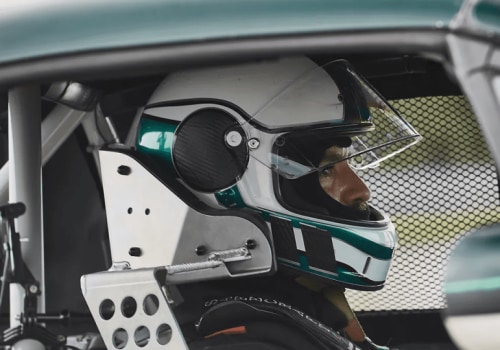
- Participant Safety Gear: Enforcing the use of appropriate safety gear, such as helmets, fire suits, and harnesses, is critical. Organizers must verify that all participants comply with these requirements before allowing them on the track.
Marketing and Promotion Challenges
Marketing and promoting motorsport events present unique challenges that can significantly impact attendance and overall success. One of the primary hurdles is the need to effectively reach a diverse audience that includes both motorsport enthusiasts and casual spectators.This requires a multifaceted approach to audience engagement.
Understanding the Target Audience
- Identifying the demographics of potential attendees, such as age, interests, and geographic location, is crucial.
- Creating tailored marketing messages that resonate with different segments can enhance engagement.
Utilizing Digital Marketing
- Leveraging social media platforms is essential for promoting motorsport events. Engaging content, such as behind-the-scenes footage or driver interviews, can create buzz and excitement.
- Email marketing campaigns targeting previous attendees can help maintain interest and encourage repeat participation.
Measuring Success
- Establishing clear metrics for success is vital.
Organizers should track ticket sales, social media engagement, and overall attendance to evaluate the effectiveness of their marketing efforts.
- Feedback from attendees post-event can provide insights into what worked well and what could be improved for future motorsport events.
Environmental Considerations in Motorsport Events
Organizing motorsport events presents a unique set of challenges, particularly when it comes to addressing environmental considerations. The high-energy nature of these events often leads to significant ecological footprints, raising concerns among organizers, participants, and spectators alike.One of the primary environmental challenges is the carbon emissions generated by vehicles during races. Traditional motorsport relies heavily on fossil fuels, contributing to air pollution and climate change. To combat this, many organizers are exploring sustainable practices that can mitigate these impacts.- Adopting Alternative Fuels: The use of biofuels and electric vehicles is gaining traction in the motorsport community.
Events like Formula E showcase how electric racing can reduce emissions while still providing thrilling competition.
- Waste Management: Effective waste management strategies are crucial. Organizers can implement recycling programs and encourage attendees to minimize single-use plastics, thereby reducing landfill contributions.
- Water Conservation: Motorsport events often require significant water usage for track maintenance and spectator facilities. Utilizing rainwater harvesting systems and efficient irrigation techniques can help conserve this vital resource.
Engaging with environmental experts during the planning phase can help identify potential risks and develop strategies to minimize them.In addition to these practices, fostering a culture of sustainability within the motorsport community is essential. This includes educating teams, sponsors, and fans about the importance of eco-friendly practices and encouraging them to adopt similar values in their everyday lives.Ultimately, while the challenges associated with the environmental impact of motorsport events are significant, they also present an opportunity for innovation and leadership in sustainability. By prioritizing eco-friendly practices, organizers can not only enhance the reputation of their events but also contribute positively to the planet.
Technological Challenges in Motorsport Event Organization
Organizing motorsport events involves a myriad of challenges, particularly when it comes to integrating technology into the planning and execution phases. The reliance on advanced timing systems and digital tools is essential for ensuring that events run smoothly and efficiently.Timing Systems
- Precision Timing: Accurate timing is crucial in motorsport, where milliseconds can determine the outcome of a race.
Organizers must invest in sophisticated timing systems that can handle real-time data processing and provide instant results.
- Data Management: The influx of data from various sources, including vehicles, sensors, and spectators, requires robust data management solutions. Organizers need to ensure that they have the right infrastructure to collect, analyze, and disseminate this information effectively.
Digital Marketing Tools
- Engagement Strategies: Utilizing digital marketing tools is vital for promoting motorsport events. Organizers face the challenge of creating engaging content that resonates with fans across multiple platforms.
- Social Media Management: Managing social media presence can be overwhelming. Organizers must stay updated with trends and audience preferences to maximize reach and engagement.
Tech Challenges in Event Management
- Integration Issues: Different technologies used for various aspects of event management (ticketing, timing, broadcasting) must work seamlessly together.
Ensuring compatibility can be a significant hurdle.
- Training Staff: With the rapid evolution of technology, training staff to use new tools effectively is essential but often overlooked. A lack of proper training can lead to inefficiencies and errors during events.
Community Engagement and Stakeholder Management
Engaging local communities and managing stakeholders effectively are crucial components in the successful organization of motorsport events. These events can significantly impact local economies, but they also require careful consideration of community sentiments and stakeholder interests.Community Involvement in Motorsport
- Building relationships with local residents can foster a sense of ownership and pride in the event.
- Involving community members in planning stages can lead to valuable insights and innovative ideas that enhance the event experience.
- Organizers should consider hosting community forums or workshops to gather feedback and address concerns, ensuring that local voices are heard.
This includes sponsors, local businesses, government agencies, and the media. Effective communication strategies can help mitigate conflicts and build strong partnerships.
Strategies for Engaging Local Communities
- Outreach Programs: Implement outreach initiatives that educate the community about the benefits of motorsport events, such as economic boosts and tourism opportunities.
- Volunteer Opportunities: Create volunteer programs that allow locals to participate actively in the event, fostering a sense of belonging and investment.
- Cultural Integration: Incorporate local culture into the event through food, music, and activities that resonate with community values.
Conclusion: Overcoming Challenges for Successful Motorsport Events
In conclusion, organizing motorsport events presents a unique set of challenges that require careful consideration and strategic planning. Throughout this article, we have explored several key obstacles that event organizers face, including:- Logistical complexities: From securing venues to coordinating transportation and accommodations, the logistics of a motorsport event can be daunting.
- Regulatory compliance: Navigating the myriad of local, state, and federal regulations is essential to ensure safety and legality.
- Financial constraints: Budgeting for an event can be challenging, especially when unexpected costs arise or sponsorships fall through.
- Weather unpredictability: Weather conditions can significantly impact the event schedule and safety, necessitating contingency plans.
- Audience engagement: Attracting and retaining spectators is crucial for the success of any motorsport event, requiring innovative marketing strategies.
This involves:
- Conducting thorough research : Understanding the specific needs and preferences of participants and spectators can guide decision-making.
- Building strong partnerships : Collaborating with local authorities, sponsors, and vendors can streamline processes and enhance resource availability.
- Implementing risk management strategies : Preparing for potential issues before they arise can mitigate their impact on the event.
- Utilizing technology : Leveraging digital tools for marketing, ticketing, and real-time updates can improve overall efficiency and audience experience.