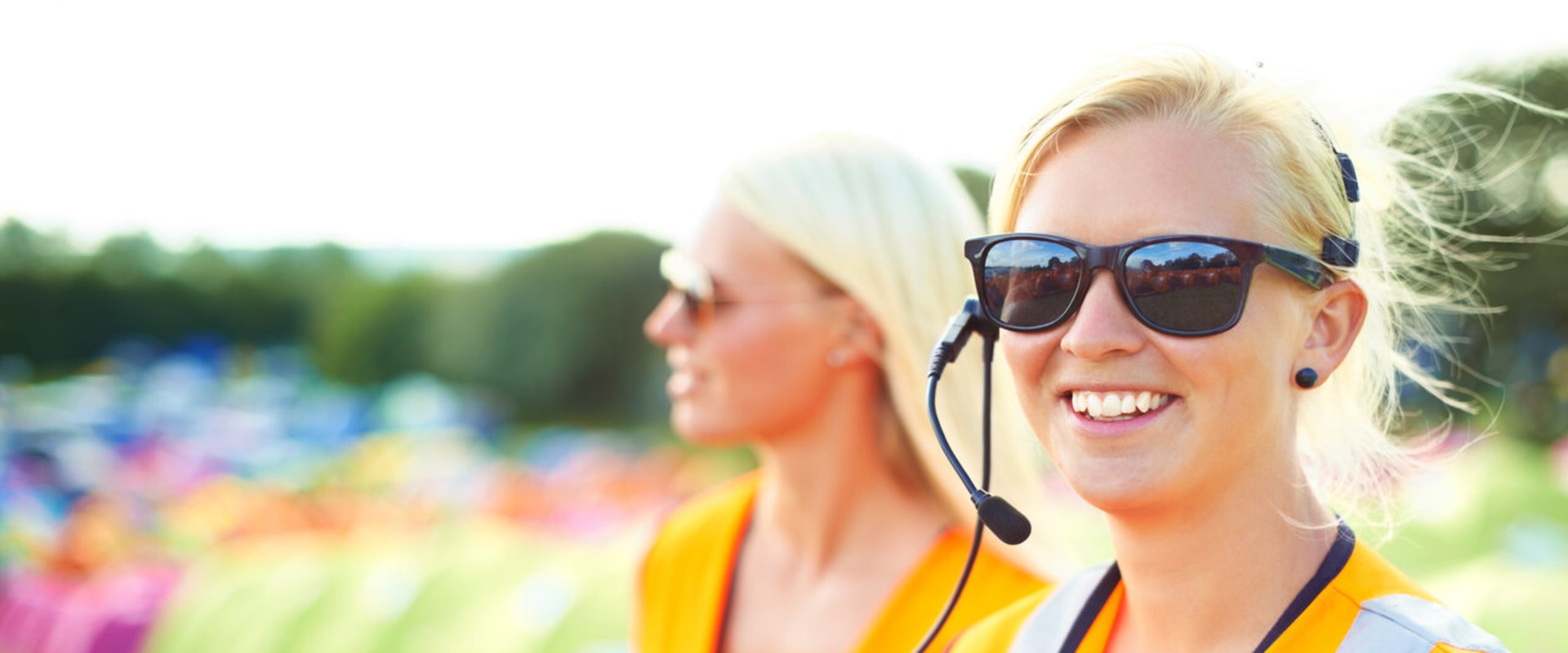
In the exhilarating world of motorsport events, the thrill of high-speed racing and the roar of engines create an electrifying atmosphere that draws thousands of spectators. However, amidst this excitement lies a critical responsibility: ensuring the safety of all attendees. The importance of spectator safety cannot be overstated, as motorsport events often involve unpredictable elements that can pose risks to those watching from the sidelines. Organizers are acutely aware that a single incident can not only endanger lives but also tarnish the reputation of the sport. Therefore, they implement a comprehensive array of safety measures designed to protect spectators while allowing them to enjoy the adrenaline-fueled action.
From strategically designed viewing areas to advanced crowd management techniques, every aspect is meticulously planned to minimize risks. Moreover, the integration of technology plays a pivotal role in enhancing safety at these events. Real-time monitoring systems, emergency response protocols, and clear communication channels are just a few examples of how organizers prioritize the well-being of their audience. By fostering a culture of safety, motorsport events can continue to thrive, ensuring that fans return for more thrilling experiences without compromising their security.
Pre-Event Planning and Risk Assessment
Organizing a motorsport event requires meticulous pre-event planning and comprehensive risk assessment to ensure the safety of all spectators. This process begins long before the engines roar to life, as organizers must identify potential hazards and implement strategies to mitigate them.Risk Assessment Process
- Site Evaluation: Organizers conduct thorough evaluations of the venue, assessing factors such as track layout, spectator areas, and emergency access routes.
This helps in identifying any physical risks that could affect safety.
- Historical Data Review: Analyzing past events provides insights into common incidents and challenges faced during previous motorsport events. This data is crucial for anticipating potential issues.
- Consultation with Experts: Engaging safety experts, including engineers and emergency responders, allows organizers to gain valuable perspectives on risk management and safety protocols.
Implementation of Safety Measures
- Barrier Installation: Physical barriers are strategically placed to protect spectators from on-track incidents. These barriers are designed to absorb impact and prevent vehicles from veering into crowd areas.
- Crowd Control Planning: Organizers develop detailed crowd management plans that include designated entry and exit points, as well as clear signage to guide spectators safely throughout the venue.
- Emergency Response Plans: A comprehensive emergency response plan is established, detailing procedures for various scenarios, including medical emergencies and evacuations. This plan is communicated to all staff and volunteers.
Safety Regulations and Compliance Standards
Ensuring the safety of spectators at motorsport events is a multifaceted endeavor that relies heavily on stringent safety regulations and compliance standards.These guidelines are designed to protect attendees from potential hazards associated with high-speed racing and other motorsport activities.At the core of these regulations are local and international standards that govern various aspects of event management. For instance, organizations like the Fédération Internationale de l'Automobile (FIA) and the National Association for Stock Car Auto Racing (NASCAR) have established comprehensive safety protocols that must be adhered to by event organizers.
- Event Layout and Design: The layout of the venue is crucial. Regulations dictate safe distances between the track and spectator areas, ensuring that barriers are in place to protect attendees from flying debris or accidents.
- Emergency Response Plans: Organizers are required to develop detailed emergency response plans, which include evacuation procedures, medical assistance availability, and communication strategies in case of an incident.
- Equipment Standards: All equipment used during the event, from barriers to safety vehicles, must meet specific compliance standards to ensure they can effectively mitigate risks.
Compliance with these laws not only enhances safety but also protects organizers from legal liabilities.The importance of adhering to these safety regulations cannot be overstated. By following established guidelines, organizers can create a safer environment for spectators, thereby enhancing their overall experience at motorsport events. Continuous training and updates on safety practices are essential for all staff involved in event management to ensure that they are prepared for any situation that may arise.
Infrastructure and Design Considerations for Safety
Ensuring the safety of spectators at motorsport events begins with meticulous planning and design of the venue's infrastructure. The layout of a motorsport facility is crucial in minimizing risks and enhancing the overall spectator experience.Barriers
play a vital role in protecting spectators from potential accidents.These barriers are strategically placed around the track and in spectator areas to absorb impacts and prevent vehicles from veering into crowds. Common types of barriers include:
- Concrete walls: These provide robust protection but require careful placement to avoid creating dangerous rebound scenarios.
- Steel guardrails: Often used in combination with other safety measures, these rails can deflect vehicles while allowing for visibility.
- Soft barriers: Made from materials designed to absorb energy, soft barriers are increasingly popular for their ability to reduce injury risk.
Additionally, the distance between the track and spectator areas is carefully calculated to provide a buffer zone, further enhancing safety.Another critical aspect is the inclusion of emergency exits. Clear signage and unobstructed pathways are essential for facilitating quick evacuations in case of an emergency. Organizers often conduct drills to ensure that both staff and spectators are familiar with evacuation routes.In summary, the infrastructure and design considerations at motorsport events are integral to ensuring spectator safety. By implementing effective barriers, thoughtful seating arrangements, and clear emergency protocols, organizers can create a safer environment for all attendees.
Emergency Response Plans and Training
Ensuring the safety of spectators at motorsport events requires meticulous planning and execution of emergency response plans.These plans are designed to address a variety of potential incidents, from medical emergencies to severe weather conditions. Organizers must develop comprehensive strategies that outline the steps to be taken in the event of an emergency, ensuring that all personnel are aware of their roles and responsibilities.
Training for Safety Personnel
- All safety personnel undergo rigorous training programs that cover a wide range of scenarios they may encounter during an event.
- Training includes first aid and CPR certification, as well as specialized courses in crowd management and emergency evacuation procedures.
- Regular drills are conducted to simulate various emergency situations, allowing staff to practice their responses and improve coordination.
Spectator Emergency Plans
- Organizers must also create detailed spectator emergency plans that inform attendees about safety protocols.
- These plans often include visible signage throughout the venue, indicating emergency exits and assembly points.
- Pre-event briefings or announcements can help educate spectators on what to do in case of an emergency, enhancing overall safety awareness.
By regularly reviewing and updating their emergency response plans, organizers can adapt to new challenges and ensure a safe environment for all attendees at motorsport events.
Communication Strategies for Spectator Safety
Effective communication is crucial for ensuring the safety of spectators at motorsport events. Organizers implement a variety of strategies to keep attendees informed about safety protocols and emergency procedures, which can significantly enhance the overall experience while minimizing risks.Pre-Event Communication
- Prior to the event, organizers utilize multiple channels such as social media, official websites, and email newsletters to disseminate important safety information. This includes details on prohibited items, emergency contact numbers, and guidelines for behavior within the venue.
- Event programs and brochures often contain a dedicated section on safety measures, ensuring that spectators have access to this information upon arrival.
On-Site Announcements
- During the event, organizers employ a robust public address system to make real-time announcements. These updates can include reminders about safety protocols, weather alerts, or instructions in case of an emergency.
- Visual displays and electronic boards are strategically placed around the venue to reinforce verbal messages and provide clear instructions to spectators.
Staff Training and Visibility
- Event staff are trained to communicate effectively with spectators.
They are equipped with knowledge about safety procedures and are easily identifiable through uniforms or badges, making them approachable for any questions or concerns.
- In addition to staff presence, volunteers may be stationed throughout the venue to assist in directing crowds and providing information on safety measures.
Emergency Response Plans
- Organizers develop comprehensive emergency response plans that outline specific communication protocols in case of incidents. This ensures that all personnel know their roles and can act swiftly to protect spectators.
- Regular drills are conducted to prepare staff for various scenarios, ensuring that communication remains clear and effective during high-pressure situations.
Post-Event Review and Continuous Improvement
After each motorsport event, organizers conduct a thorough post-event review to evaluate the effectiveness of their safety measures. This process is crucial for identifying both strengths and weaknesses in the safety protocols implemented during the event.During the review, organizers gather feedback from various stakeholders, including:- Spectators: Gathering insights from attendees helps understand their experiences and any safety concerns they may have encountered.
- Event Staff: Input from security personnel, medical teams, and volunteers provides a comprehensive view of how safety measures were executed on the ground.
- Emergency Services: Collaborating with local law enforcement and emergency responders can highlight areas where response times and coordination can be improved.
Organizers meticulously examine any accidents or near-misses that occurred during the event. This analysis helps in:
- Identifying Patterns: Recognizing recurring issues can lead to targeted improvements in safety protocols.
- Enhancing Training: Lessons learned can inform future training sessions for staff and volunteers, ensuring they are better prepared for similar situations.
- Updating Safety Plans: Based on feedback and incident analysis, organizers can revise their safety plans to address identified gaps.
Frequently Asked Questions About Spectator Safety at Motorsport Events
When attending motorsport events, spectators often have questions regarding their safety.Here are some of the most frequently asked questions about spectator safety:
What measures are in place to protect spectators?
Organizers implement a variety of safety measures, including:- Barrier systems: Strong barriers are placed around the track to prevent vehicles from veering into spectator areas.
- Emergency response teams: Trained medical personnel and emergency services are on-site to respond quickly to any incidents.
- Safety briefings: Pre-event briefings inform attendees about safety protocols and emergency procedures.
Are there designated safe zones for spectators?
Yes, motorsport events typically have designated safe zones where spectators can watch the action while minimizing risk. These areas are strategically located away from high-speed sections of the track and are clearly marked.What should I do in case of an emergency?
If an emergency occurs, follow these steps:- Stay calm and listen for announcements from event officials.
- Move to the nearest designated safe zone if instructed.
- If you see someone in need of assistance, alert a nearby staff member or security personnel.
How can I stay informed about safety updates during the event?
Event organizers often provide real-time updates through various channels:- Official event apps: Many events have dedicated apps that offer live updates and safety information.
- Screens around the venue: Large screens display important announcements and safety messages throughout the event.
Conclusion: The Future of Spectator Safety in Motorsport Events
As we look towards the future of spectator safety in motorsport events, it is clear that the commitment of organizers to prioritize the well-being of attendees remains unwavering. The evolution of safety measures has been a continuous journey, driven by both technological advancements and a deeper understanding of risk management.One of the most significant trends is the integration of advanced technology in safety protocols. From real-time data analytics to enhanced communication systems, organizers are leveraging these tools to monitor conditions and respond swiftly to any incidents.This proactive approach not only enhances safety but also builds trust among spectators.
Ongoing Training and Development
Moreover, the emphasis on training for staff and volunteers cannot be overstated. Regular drills and updated training programs ensure that everyone involved is prepared to handle emergencies effectively. This level of preparedness is crucial in maintaining a safe environment for all.Community Engagement
Engaging with the community also plays a vital role in shaping safety measures. Feedback from spectators helps organizers understand their concerns and expectations, leading to more tailored safety solutions.This collaborative approach fosters a sense of ownership among attendees, making them feel more secure.In conclusion, while challenges will always exist in ensuring spectator safety at motorsport events, the ongoing dedication of organizers to innovate and adapt will pave the way for safer experiences. As we move forward, it is essential that all stakeholders remain vigilant and committed to creating an environment where excitement and safety coexist harmoniously.