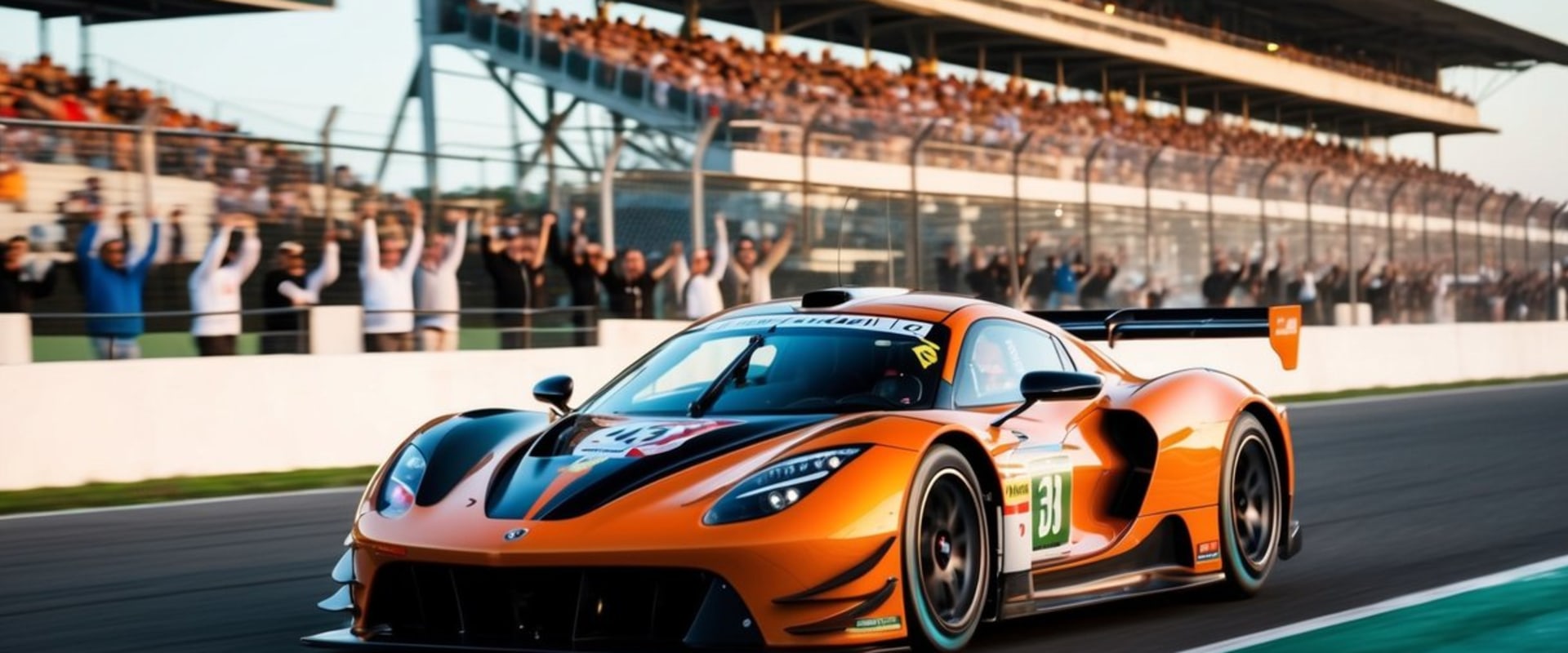
Across the globe, motorsport events serve as a thrilling intersection of speed, technology, and culture. From the roaring engines of Formula 1 to the rugged terrains of rally racing, each country brings its unique flair to the world of international racing. These events not only captivate millions of fans but also play a significant role in shaping local economies and fostering national pride. As we delve into the diverse approaches to organizing and hosting these events, it becomes clear that motorsport is more than just a sport; it is a cultural phenomenon that resonates deeply within various societies. In countries like Italy and Germany, motorsport is woven into the very fabric of national identity, with historic tracks and legendary drivers that have become household names.
Meanwhile, nations such as Japan and the United States showcase their own distinct motorsport culture, emphasizing innovation and fan engagement. The way these countries approach logistics, sponsorship, and community involvement can vary widely, reflecting their unique values and priorities. Understanding these differences not only enhances our appreciation for the sport but also highlights the global nature of motorsport as it transcends borders and unites fans from all walks of life. As we explore how different nations organize and host motorsport events, we will uncover the intricate layers that contribute to their success. From government support to grassroots initiatives, each country’s strategy reveals much about its commitment to fostering a vibrant motorsport scene.
Join us on this journey as we examine the global landscape of motorsport, celebrating the diversity and passion that fuels this exhilarating world.
Motorsport Event Organization: Key Factors
Organizing motorsport events requires a multifaceted approach that takes into account various key factors. Each country has its unique set of challenges and advantages that shape how these events are planned and executed.Regulatory Frameworks
One of the primary factors influencing motorsport event organization is the regulatory environment. Different countries have distinct laws and regulations governing motorsport, which can affect everything from safety standards to environmental considerations. For instance, in Europe, the FIA (Fédération Internationale de l'Automobile) sets stringent guidelines that must be adhered to, while in the United States, organizations like NASCAR and INDYCAR have their own rules that cater to local preferences.
Funding and Sponsorship
Another critical aspect is the availability of funding.
Successful motorsport events often rely on sponsorships from local businesses and international brands. Countries with a strong motorsport culture, such as Italy and Germany, tend to attract more sponsors due to higher public interest and media coverage. In contrast, nations with emerging motorsport scenes may struggle to secure adequate funding, which can limit the scale and quality of their events.
Infrastructure
The infrastructure available for hosting motorsport events is also a significant factor. This includes not only the quality of racetracks but also the surrounding facilities such as hotels, transportation networks, and medical services.
Countries like Japan and the UK boast world-class facilities that can accommodate large-scale events, while others may need substantial investment to meet international standards.
Local Interest and Culture
The level of local interest in motorsport plays a crucial role in event planning. In regions where motorsport is deeply ingrained in the culture, such as Brazil or Australia, organizers can expect higher attendance and engagement from fans. Conversely, in areas where motorsport is less popular, attracting spectators can be a challenge, necessitating innovative marketing strategies to build interest.In summary, the organization of motorsport events is influenced by a combination of regulatory frameworks, funding opportunities, infrastructure quality, and local cultural interest. Understanding these factors is essential for successful event planning in the dynamic world of motorsport.
Case Study: Europe’s Approach to Motorsport Events
Europe has long been regarded as the epicenter of motorsport events, with a rich tapestry of history and innovation that shapes its current landscape.Countries like the United Kingdom, Germany, and Italy have developed unique approaches to organizing and hosting these thrilling competitions, each reflecting their cultural values and historical significance.
The United Kingdom
- The UK is home to iconic circuits such as Silverstone, which has hosted the British Grand Prix since 1950, making it one of the oldest venues in Formula 1 history.
- British motorsport events often emphasize fan engagement, with numerous festivals and activities surrounding race weekends, enhancing the overall experience.
- The UK also boasts a robust motorsport industry, with numerous teams and manufacturers based in the region, contributing to its global reputation.
Germany
- Germany's approach to motorsport events is characterized by precision and engineering excellence, exemplified by the legendary Nürburgring and Hockenheimring circuits.
- The country hosts a variety of events, from Formula 1 to touring car championships, showcasing its diverse motorsport culture.
- German events often incorporate advanced technology and sustainability practices, reflecting the nation’s commitment to innovation.
Italy
- Italy is synonymous with motorsport passion, with events like the Monza Grand Prix drawing massive crowds and celebrating a rich racing heritage.
- The Italian approach emphasizes style and flair, often integrating local culture into the event experience, from food to music.
- Italian motorsport events are also known for their vibrant atmosphere, where fans celebrate not just the sport but also their national pride.
Case Study: North America’s Motorsport Culture
North America boasts a vibrant and diverse motorsport culture, with events that reflect the unique preferences and traditions of its audience. Two of the most prominent forms of racing in the region are NASCAR and IndyCar, each offering distinct experiences and attracting different fan bases.NASCAR: The Heart of American Racing
NASCAR, or the National Association for Stock Car Auto Racing, is synonymous with American motorsport. Founded in 1948, it has grown into a cultural phenomenon, particularly in the southern United States.NASCAR events are characterized by:
- Oval tracks: Most races take place on oval circuits, which create a unique racing dynamic focused on speed and strategy.
- Fan engagement: NASCAR emphasizes fan interaction, with events often featuring pre-race concerts, driver meet-and-greets, and family-friendly activities.
- Regional pride: Races often reflect local culture, with many events named after regional landmarks or traditions.
IndyCar: The Pinnacle of Open-Wheel Racing
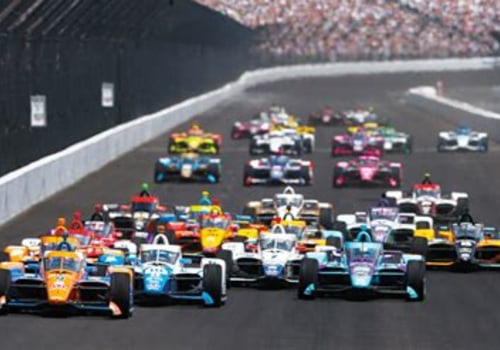
IndyCar, on the other hand, represents the pinnacle of open-wheel racing in North America. Known for its prestigious event, the Indianapolis 500, IndyCar races are distinct due to:- Road and street courses: Unlike NASCAR's oval tracks, IndyCar features a mix of road courses and street circuits, showcasing the versatility of drivers and cars.
- International appeal: While rooted in American culture, IndyCar attracts a global audience, with races held in various countries and participation from international drivers.
- Technological innovation: IndyCar is often at the forefront of automotive technology, with teams pushing the limits of speed and performance.
Motorsport Events in Asia: A Growing Market
The landscape of motorsport events in Asia is rapidly evolving, with countries like Japan and China leading the charge in organizing high-profile competitions.This growth is not just a trend; it reflects a deeper cultural shift towards embracing motorsport as a mainstream entertainment option.In Japan, the motorsport scene has a rich history, particularly with events like the Super GT series and the iconic Tokyo Auto Salon. These events attract thousands of fans and showcase both local talent and international competitors. The country’s passion for motorsports is evident in its well-established infrastructure, including world-class racetracks such as Fuji Speedway and Suzuka Circuit.Meanwhile, China is making significant strides in the motorsport arena, particularly with the introduction of Formula E. The electric racing series has found a welcoming home in cities like Beijing and Hong Kong, where urban street circuits provide a unique backdrop for thrilling races.
The Chinese government’s support for sustainable technologies aligns perfectly with Formula E's mission, making it a strategic fit for the region.Moreover, the rise of motorsport in Asia is not limited to traditional racing formats. Events like the Asian Le Mans Series and various drifting competitions are gaining traction, appealing to younger audiences eager for adrenaline-fueled experiences. This diversification of motorsport events is crucial for attracting a broader fan base and fostering local talent.As Asian countries continue to invest in motorsport infrastructure and promote events, the potential for growth remains immense. With increasing sponsorship opportunities and media coverage, Asia is poised to become a central hub for global motorsport activities.
The Role of Technology in Motorsport Event Organization
The organization of motorsport events has undergone a significant transformation in recent years, largely due to advancements in technology.From planning stages to execution, digital tools are enhancing every aspect of event management.
Digital Tools for Event Planning
- Project Management Software: Tools like Trello and Asana allow event organizers to streamline tasks, assign responsibilities, and track progress in real-time.
- Data Analytics: Utilizing data analytics helps organizers understand audience preferences and optimize logistics, ensuring a smoother experience for both participants and fans.
- Virtual Reality (VR): VR technology is being used for venue walkthroughs, allowing teams to visualize layouts and make informed decisions before the event day.
Fan Engagement Innovations
Engaging fans has never been easier thanks to mobile applications and social media platforms. These tools not only provide real-time updates but also foster a sense of community among fans. For instance:
- Mobile Apps: Dedicated apps for specific events offer features like live timing, driver stats, and interactive maps, enhancing the spectator experience.
- Social Media Integration: Platforms like Twitter and Instagram allow fans to interact with teams and drivers, creating a more immersive experience.
Broadcasting Innovations
The way motorsport events are broadcasted has also evolved. High-definition cameras, drone technology, and augmented reality (AR) graphics provide viewers with unprecedented access to the action.
This not only enhances the viewing experience but also attracts a broader audience.In conclusion, the integration of technology into the organization of motorsport events is reshaping how these events are planned, executed, and experienced. As technology continues to advance, we can expect even more innovative solutions that will further enhance the motorsport landscape.
Challenges Faced by Motorsport Event Organizers Worldwide
Organizing motorsport events presents a unique set of challenges that vary significantly across different countries. These challenges can hinder the successful execution of racing events and impact their overall appeal and sustainability.Funding Issues
One of the primary barriers faced by organizers is securing adequate funding. Motorsport events often require substantial financial investment for infrastructure, safety measures, and promotional activities.In many regions, potential sponsors may be hesitant to invest due to the perceived risks associated with motorsport, leading to a reliance on government support or ticket sales, which can fluctuate.
Regulatory Hurdles
Each country has its own set of regulations governing motorsport events, which can complicate the planning process. Organizers must navigate through various legal requirements, including permits, safety standards, and environmental regulations. In some cases, these regulations can be overly stringent or unclear, causing delays and increasing costs.Environmental Concerns
As global awareness of environmental issues grows, motorsport organizers are increasingly pressured to adopt sustainable practices. This includes minimizing carbon footprints and ensuring that events do not negatively impact local ecosystems.Implementing green initiatives can be costly and logistically challenging, particularly in regions where such practices are not yet the norm.
Cultural Differences
Cultural attitudes towards motorsport can also pose challenges. In some countries, motorsport is celebrated and supported by the public, while in others, it may face opposition due to concerns about noise pollution or safety. Understanding these cultural nuances is essential for organizers to effectively engage with local communities and stakeholders.Logistical Challenges
The logistics of hosting a motorsport event can be daunting. From securing suitable venues to managing transportation for teams and equipment, every aspect requires meticulous planning.Additionally, unforeseen circumstances such as weather conditions or political instability can disrupt even the best-laid plans.In conclusion, while the excitement surrounding motorsport events is undeniable, organizers must navigate a complex landscape of challenges that vary by region. Addressing these issues proactively is crucial for the success and longevity of motorsport on a global scale.
Future Trends in Motorsport Event Organization
As the world of motorsport events continues to evolve, several key trends are emerging that will shape the future of how these events are organized and hosted. One of the most significant trends is the increasing emphasis on sustainability. With growing awareness of environmental issues, motorsport organizations are actively seeking ways to reduce their carbon footprint.This includes adopting electric vehicles, utilizing renewable energy sources, and implementing waste reduction strategies at events.Another trend is the integration of advanced technology to enhance the fan experience. From virtual reality experiences that allow fans to immerse themselves in the action, to real-time data analytics that provide insights into race performance, technology is transforming how audiences engage with motorsport events. Organizers are also leveraging social media platforms to create interactive experiences, allowing fans to participate in polls, contests, and live updates.
- Hybrid Events: The future may see a rise in hybrid events that combine in-person attendance with virtual participation, catering to a broader audience.
- Diversity and Inclusion: There is a growing push for greater diversity within motorsport, both in terms of participants and audiences. This shift aims to make motorsport more accessible and appealing to a wider demographic.
- Enhanced Safety Measures: As safety remains a top priority, advancements in technology will lead to improved safety protocols for both drivers and spectators.
As these trends continue to develop, they will not only redefine how events are organized but also enhance the overall experience for fans and participants alike.
FAQs About Organizing Motorsport Events Across Countries
When it comes to organizing motorsport events, various countries have unique approaches influenced by their culture, infrastructure, and regulatory frameworks. Here are some frequently asked questions that shed light on these differences:What are the key factors in organizing a successful motorsport event?
- Location: The choice of venue is crucial, as it must accommodate the expected number of spectators and provide adequate facilities for participants.
- Regulatory Compliance: Each country has its own set of rules and regulations governing motorsport events, which must be adhered to for safety and legal reasons.
- Sponsorship and Funding: Securing financial backing from sponsors is essential for covering costs and promoting the event.
- Logistics: This includes everything from transportation of vehicles to ensuring that medical services are available on-site.
How do different countries handle safety regulations?
Safety is a top priority in all motorsport events, but the approach can vary significantly:- Europe: Countries like Germany and Italy have stringent safety standards enforced by organizations such as the FIA (Fédération Internationale de l'Automobile).
- United States: The NASCAR and IndyCar series have their own set of safety protocols, often influenced by local laws and regulations.
- Asia: Nations like Japan and China are rapidly developing their motorsport infrastructure, often adopting international safety standards while also incorporating local practices.
What role do local cultures play in motorsport event organization?
The cultural context can greatly influence how events are organized:- Fan Engagement: In countries with a rich motorsport history, such as Italy or Brazil, fan engagement strategies may include festivals or parades leading up to the event.
- Cuisine and Hospitality: Local food offerings and hospitality can enhance the spectator experience, making events more appealing to both locals and tourists.