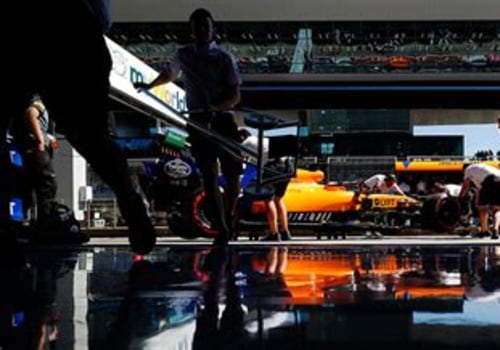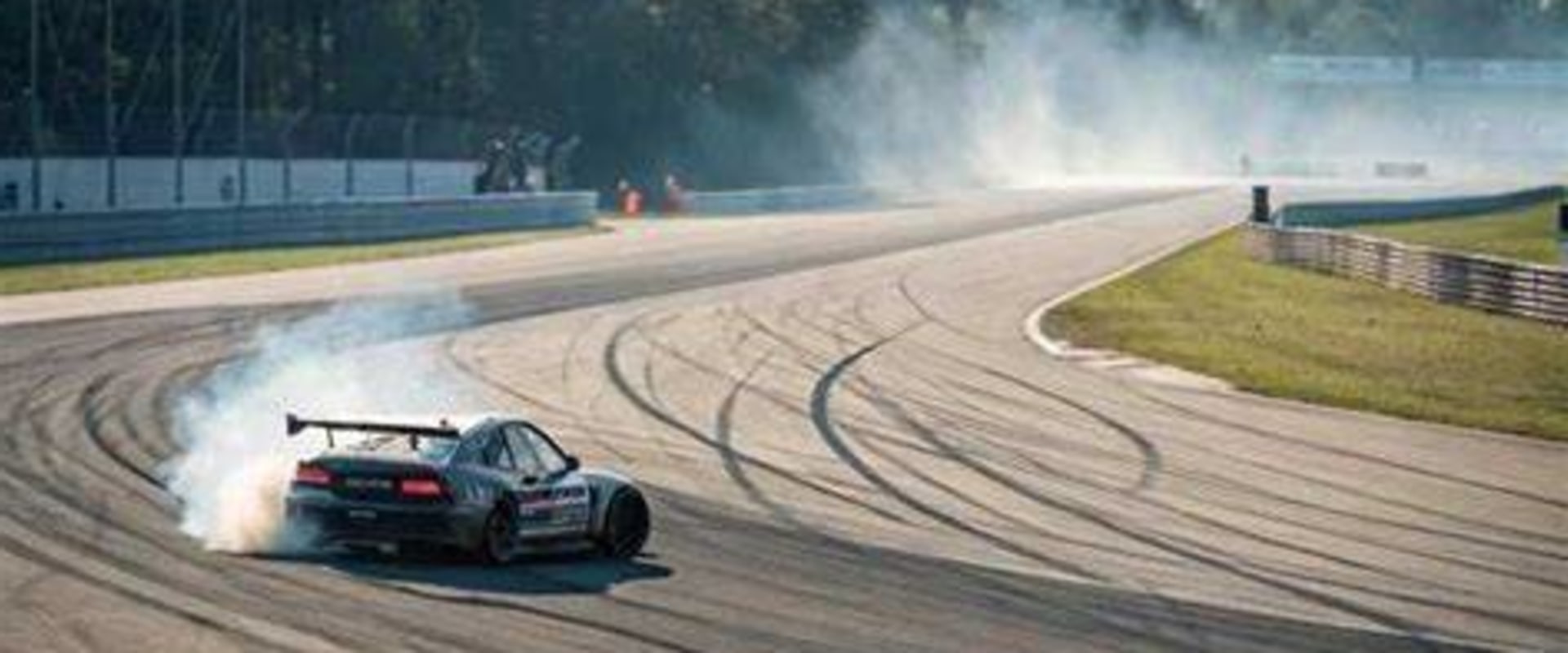
Motorsport events encompass a wide range of competitive activities that involve the use of motorized vehicles. These events can vary significantly in format, from high-speed Formula 1 races to the rugged terrains of rally racing, and even the thrilling spectacle of motocross. Each type of motorsport offers its own unique challenges and attracts diverse audiences, making it a vibrant part of global sporting culture. The significance of motorsport events extends beyond mere entertainment; they are a showcase of engineering prowess, driver skill, and team strategy. Fans are drawn not only to the adrenaline rush but also to the intricate details that make each event special.
For instance, the precision required in NASCAR racing contrasts sharply with the technical finesse needed in endurance racing, highlighting the multifaceted nature of motorsport. As we delve deeper into the world of motorsport, it becomes evident that external factors, particularly weather conditions, play a crucial role in shaping these events. From rain-soaked tracks that challenge drivers' skills to scorching heat that tests vehicle performance, understanding how weather influences motorsport is essential for both participants and fans alike. This exploration will reveal not only the impact of weather on race outcomes but also how teams adapt their strategies to navigate these unpredictable elements.
The Role of Weather in Motorsport
Weather conditions play a pivotal role in the execution and outcome of motorsport events. From rain-soaked tracks to blistering heat, the elements can significantly influence both safety and performance on the racecourse.Impact on Safety
One of the most critical aspects affected by weather is safety.Wet conditions can lead to slippery surfaces, increasing the risk of accidents. Drivers must adjust their techniques, often relying on wet tires designed for improved grip. Additionally, visibility can be severely compromised during rain or fog, necessitating caution and sometimes leading to race delays or cancellations.
Performance Variability
The performance of vehicles is also closely tied to weather conditions. For instance, high temperatures can cause engines to overheat, while cooler weather may enhance engine performance due to denser air.Teams often strategize around these factors, making adjustments to tire pressure and fuel mixtures to optimize their vehicles for the prevailing conditions.
Scheduling Challenges
Weather can also disrupt the scheduling of motorsport events. Rain delays are common, and organizers must have contingency plans in place. This unpredictability can affect not only the teams but also fans who attend these events. In some cases, races may be postponed or rescheduled entirely, impacting logistics and attendance.Conclusion
In summary, understanding how weather conditions affect motorsport is essential for teams, drivers, and fans alike.The interplay between safety, performance, and scheduling highlights the need for adaptability in this thrilling sport.
Types of Weather Conditions Affecting Motorsport Events
Weather conditions play a crucial role in the dynamics of motorsport events, influencing everything from vehicle performance to driver safety. Understanding the various types of weather can help teams prepare and adapt their strategies effectively.Rain
Rain is one of the most significant weather factors affecting motorsport events. Wet conditions can drastically alter track grip, making surfaces slippery and unpredictable. This can lead to:- Reduced traction: Tires designed for dry conditions struggle to maintain grip, increasing the risk of skidding or aquaplaning.
- Longer stopping distances: Braking performance is compromised, requiring drivers to adjust their braking points significantly.
- Increased risk of accidents: The combination of reduced visibility and slippery surfaces heightens the chances of collisions.
Snow and Ice
While less common, snow and ice present unique challenges during motorsport events.These conditions can lead to:
- Extreme loss of traction: Standard racing tires are ineffective on snow and ice, necessitating specialized tires.
- Visibility issues: Snow can obscure track markings and reduce overall visibility for drivers.
Wind
Wind can also impact motorsport events, particularly in open-wheel racing. Strong gusts can affect vehicle stability, leading to:- Aerodynamic challenges: Wind can disrupt airflow over the car, impacting downforce and handling.
- Driver fatigue: Constant adjustments to counteract wind can lead to increased physical strain on drivers.
Temperature Extremes
The temperature at a race venue can significantly influence both vehicle performance and driver endurance. High temperatures may cause:- Overheating: Engines and tires are at risk of overheating, which can lead to mechanical failures.
- Tire degradation: Hot conditions accelerate tire wear, requiring more frequent pit stops.
- Tire grip issues: Cold tires take longer to reach optimal operating temperatures, affecting initial performance.
- Driver comfort: Prolonged exposure to cold can lead to decreased focus and reaction times.
Case Studies: Weather-Related Incidents in Motorsport History
Weather conditions have played a pivotal role in shaping the outcomes of numerous motorsport events.Here are some notable case studies that highlight the significant impact of weather on racing.
1.2007 Canadian Grand Prix
The 2007 Canadian Grand Prix is a prime example of how rain can dramatically alter a race. Heavy rainfall led to a wet track, causing numerous accidents and forcing teams to adapt their strategies on the fly. The race was marked by multiple safety car periods, and the eventual winner, Lewis Hamilton, showcased exceptional skill in navigating the treacherous conditions.2.2011 Le Mans 24 Hours
During the 2011 Le Mans 24 Hours, competitors faced a unique challenge as heavy rain fell during the night. The downpour created visibility issues and made the track slippery, leading to several incidents.The weather forced teams to rethink their tire strategies, with many opting for wet-weather tires to maintain grip. Ultimately, Audi's victory was attributed not only to their car's performance but also to their ability to adapt to the changing weather.
3.2020 Daytona 500
The 2020 Daytona 500 experienced a significant delay due to rain, which postponed the race for several hours. This incident highlighted how weather can affect scheduling and logistics in motorsport events. When the race finally commenced, drivers had to contend with a damp track, which influenced their driving techniques and pit strategies.4.1996 Monaco Grand Prix
The infamous 1996 Monaco Grand Prix is remembered for its chaotic weather conditions.A sudden downpour transformed the streets of Monte Carlo into a slippery challenge. Many drivers struggled with visibility and grip, leading to numerous crashes. Damon Hill managed to secure victory amidst the chaos, demonstrating how adaptability in adverse conditions can lead to success.These case studies illustrate that historical weather impacts on motorsport events are not just anecdotal; they are critical factors that can determine race outcomes and influence team strategies. Understanding these incidents helps fans and participants appreciate the complexities involved in motorsport.
How Teams Prepare for Weather Variability
In the world of motorsport events, weather conditions can change rapidly, necessitating that teams adopt a range of strategies to ensure both safety and performance.Preparation for weather variability is a critical aspect of race day operations, and teams employ various technologies and methodologies to stay ahead of the elements.
Weather Monitoring Technologies
- Advanced Weather Forecasting: Teams utilize sophisticated weather forecasting tools that provide real-time updates on temperature, precipitation, and wind conditions. This data allows teams to make informed decisions about tire selection and race strategy.
- Telemetry Systems: Many teams integrate telemetry systems that collect data from the car and track conditions. This information helps engineers adjust settings dynamically based on changing weather.
Strategic Adaptations
- Tire Selection: One of the most critical decisions influenced by weather is tire choice. Teams must decide between slick tires for dry conditions or wet tires designed for rain.
The ability to switch tires quickly during a race can be a game-changer.
- Car Setup Adjustments: Teams often modify suspension settings and aerodynamics based on expected weather conditions. For instance, a wetter track may require a softer suspension setup to enhance grip.
Team Communication and Training
- Driver Briefings: Before races, drivers participate in briefings that cover potential weather scenarios. Understanding how to handle the car in different conditions is crucial for maintaining control and performance.
- Simulations: Many teams use simulators to practice driving in various weather conditions. This training helps drivers become familiar with how their cars will respond when faced with rain or changing track surfaces.
By leveraging technology, strategic planning, and thorough training, teams can navigate the challenges posed by unpredictable weather, ensuring they remain competitive regardless of the conditions on race day.
The Future of Weather Forecasting in Motorsport Events
As the world of motorsport events continues to evolve, the integration of advanced technology in weather forecasting is becoming increasingly vital. The future of weather prediction in motorsport is not just about accuracy; it’s about leveraging innovative tools to enhance safety and performance on the track.One of the most promising advancements is the use of machine learning algorithms that analyze vast amounts of meteorological data. These algorithms can predict weather patterns with remarkable precision, allowing teams to make informed decisions regarding race strategies. For instance, by understanding potential rain showers or temperature fluctuations, teams can optimize tire choices and fuel strategies.Innovations in Racing Weather Management
Moreover, the development of real-time weather monitoring systems has transformed how teams approach motorsport events.These systems utilize a network of sensors and satellites to provide live updates on weather conditions. This immediate access to data enables teams to react swiftly to changing conditions, ensuring that they remain competitive even in unpredictable weather.
- Drone Technology: Drones equipped with weather sensors are being deployed at racetracks to gather localized data, offering insights that traditional forecasting methods may miss.
- Mobile Applications: Many racing organizations are now using mobile apps that provide real-time weather updates and alerts directly to team members, enhancing communication and decision-making.
- Collaboration with Meteorological Services: Partnerships between motorsport teams and professional meteorological services are becoming more common, allowing for tailored forecasts that cater specifically to the needs of racing.
FAQs About Weather and Motorsport Events
Understanding how weather conditions impact motorsport events is crucial for fans, teams, and organizers alike.Here are some frequently asked questions that shed light on this topic:
- How does rain affect motorsport events?
Rain can significantly alter the dynamics of a race. It reduces tire grip, increases the risk of aquaplaning, and can lead to more accidents. Teams often switch to wet-weather tires, which are designed to channel water away from the contact patch. - What role does temperature play in motorsport?
Temperature affects tire performance and engine efficiency. In colder conditions, tires may not reach optimal operating temperatures, leading to reduced grip.Conversely, high temperatures can cause tires to overheat, resulting in faster degradation.
- Can extreme weather lead to event cancellations?
Yes, extreme weather conditions such as heavy snow, thunderstorms, or hurricanes can lead to the cancellation or postponement of motorsport events. Safety is always the top priority for organizers. - How do teams prepare for changing weather conditions?
Teams often have meteorologists on staff or consult weather services to stay updated on forecasts. They prepare multiple strategies and tire choices based on predicted weather changes. - What is the impact of wind on motorsport?
Wind can affect vehicle stability and aerodynamics. Strong gusts can make it difficult for drivers to maintain control, especially at high speeds.
Whether you're a fan or a participant, being aware of these factors can enrich your experience.
Conclusion: The Indispensable Role of Weather in Motorsport Events
In conclusion, the impact of weather conditions on motorsport events cannot be overstated. Throughout this discussion, we have explored how various weather elements such as temperature, precipitation, and wind can significantly influence race outcomes, driver performance, and overall safety.Understanding these factors is crucial for teams, drivers, and organizers alike. For instance:- Temperature affects tire performance and engine efficiency, making it essential for teams to adapt their strategies accordingly.
- Rain introduces a whole new set of challenges, from reduced visibility to slippery surfaces, which can lead to increased risk of accidents.
- Wind can alter the aerodynamics of vehicles, impacting speed and handling on the track.
Extreme weather can deter spectators from attending events, affecting not only the atmosphere but also the financial viability of races.Ultimately, as motorsport continues to evolve, so too must our understanding of how external factors like weather shape the sport. Embracing this knowledge will ensure that all stakeholders—from drivers to fans—can enjoy a safer and more thrilling experience in the world of motorsport events.