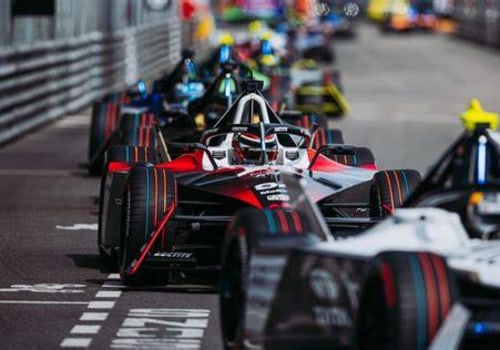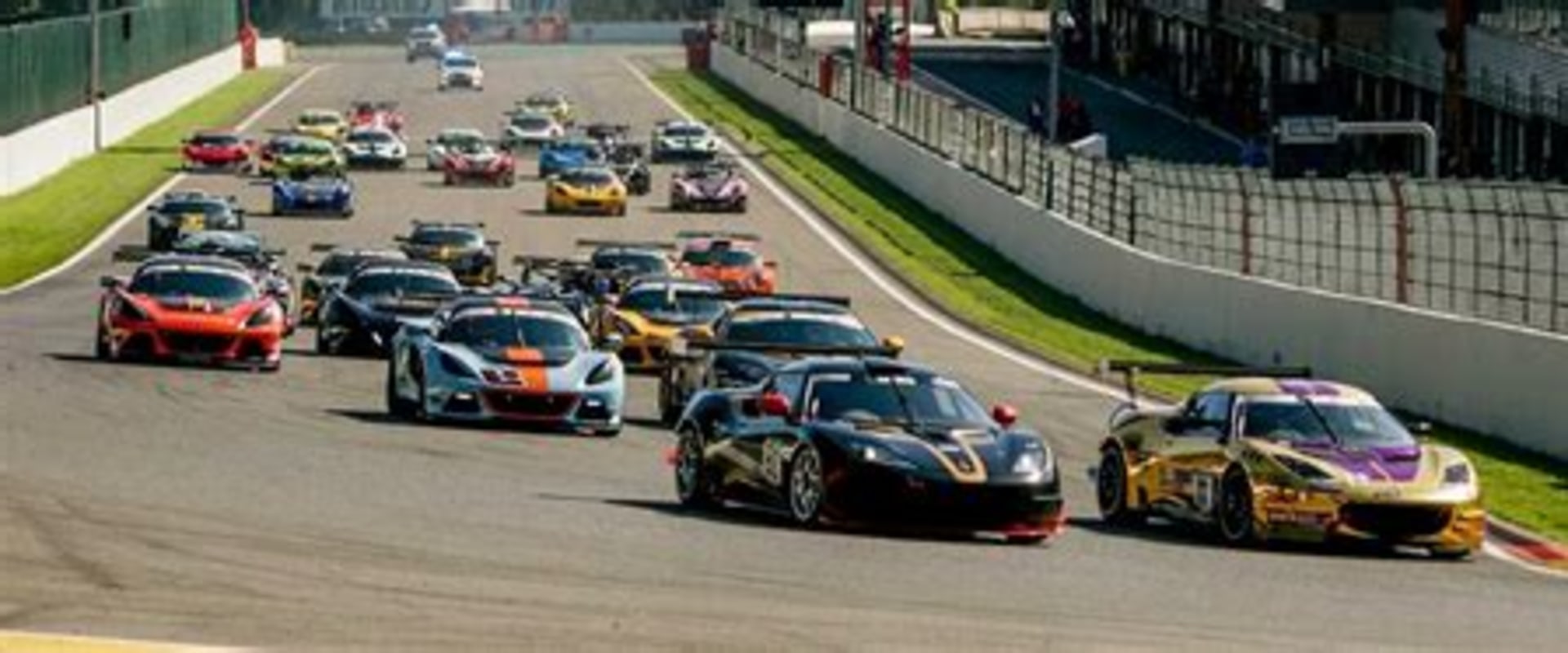
Motorsport events represent a thrilling intersection of speed, skill, and engineering prowess, captivating audiences around the globe. From the adrenaline-pumping races of Formula 1 to the rugged challenges of rally racing, motorsport events encompass a diverse array of competitions that showcase not only the capabilities of drivers but also the cutting-edge technology behind their vehicles. These events are not merely about who crosses the finish line first; they are a celebration of human ingenuity and the relentless pursuit of excellence. At their core, motorsport events can be categorized into several types, each with its unique characteristics and fan base. For instance, circuit racing involves competing on closed tracks, while off-road racing tests both driver and machine against natural terrains.
Other forms include drag racing, endurance racing, and motorcycle competitions, each offering distinct experiences for participants and spectators alike. This variety makes motorsport a multifaceted domain that appeals to a wide range of interests. As we delve deeper into the world of motorsport, it becomes essential to understand how these events compare to other types of sporting competitions. While traditional sports like football or basketball focus on team dynamics and physical endurance, motorsport emphasizes precision, strategy, and technological innovation. This unique blend sets motorsport apart, making it a fascinating subject for comparison with more conventional sporting events.
Understanding Motorsport Events
Motorsport events encompass a wide range of competitive activities that involve the use of motorized vehicles.These events are not only thrilling spectacles but also showcase the pinnacle of engineering and driving skill. Understanding motorsport events requires a look into their various types, historical significance, and the unique culture surrounding them.
Types of Motorsport Events
There are several distinct categories of motorsport events, each with its own set of rules, vehicles, and fan base. Some of the most popular types include:- Formula Racing: Known for its high-speed circuits and open-wheel cars, Formula racing includes prestigious events like Formula 1.
- Rally Racing: This type involves timed events on public or private roads, often featuring varied terrain and weather conditions.
- Touring Car Racing: These races feature modified road cars competing on closed circuits, emphasizing both speed and handling.
- Motocross: A form of off-road motorcycle racing held on enclosed off-road circuits, known for its jumps and technical challenges.
- Drag Racing: Short-distance races that test acceleration and speed over a straight track, often featuring highly modified vehicles.
The History of Motorsport
The roots of motorsport can be traced back to the late 19th century when the first automobile races were held. The inaugural organized race took place in 1894 from Paris to Rouen, marking the beginning of competitive motor racing.Over the decades, motorsport has evolved significantly, with technological advancements leading to faster and safer vehicles.The establishment of governing bodies like the FIA (Fédération Internationale de l'Automobile) has helped standardize rules and promote safety across various disciplines. Today, motorsport is a global phenomenon, attracting millions of fans and generating substantial economic impact through sponsorships, merchandise sales, and tourism.In conclusion, motorsport events are not just about speed; they represent a rich tapestry of history, innovation, and community. Understanding their various forms and historical context enhances appreciation for this dynamic segment of the sports world.
Key Characteristics of Motorsport Events
Motorsport events are distinguished by several unique characteristics that set them apart from other types of sporting events. One of the most prominent features is the emphasis on speed.Unlike traditional sports where speed may play a role, motorsport is fundamentally about achieving the highest velocity possible. This pursuit of speed not only captivates audiences but also drives technological advancements in vehicle design and engineering.
Technology
plays a crucial role in motorsport, with teams investing heavily in research and development to enhance performance. From aerodynamics to engine efficiency, the integration of cutting-edge technology is a defining aspect of motorsport events. This contrasts sharply with many other sports, where equipment may evolve more slowly and is often less complex.Another key characteristic is the team dynamics involved in motorsport.
While teamwork is essential in various sports, motorsport requires a highly specialized collaboration between drivers, engineers, and pit crews. Each member plays a critical role in ensuring success during a race, from strategizing tire changes to optimizing fuel usage. This level of coordination is often more intricate than what is seen in team sports like basketball or soccer.
- Speed: The primary focus on achieving maximum velocity.
- Technology: Advanced engineering and innovation drive performance.
- Team Dynamics: Specialized roles create a unique collaborative environment.
Fans are not just spectators; they are part of an exhilarating experience that combines speed, skill, and strategy.In summary, the defining characteristics of motorsport events, including their focus on speed, technological innovation, and intricate team dynamics, highlight how they differ from other sporting events. These elements contribute to a unique sporting culture that continues to evolve and captivate audiences worldwide.
Audience Engagement in Motorsport vs Other Sports
When it comes to audience engagement, motorsport events offer a unique experience that sets them apart from other types of sporting events. The adrenaline-fueled atmosphere, combined with the high-speed action, creates an electrifying environment that captivates fans both at the track and at home.Fan experience in motorsport
is often enhanced by the accessibility of the sport. Unlike many traditional sports where fans are confined to their seats, motorsport events allow for a more immersive experience.Fans can walk through the paddocks, interact with teams, and even meet drivers during autograph sessions. This level of access fosters a deeper connection between fans and the sport.
Community Involvement
Moreover, motorsport events often emphasize community involvement. Local racing clubs and grassroots events encourage participation from fans who may not be professional drivers but are passionate about racing. This inclusivity helps build a strong community around the sport, as fans feel they are part of something larger than just a spectator event.Comparing Sports Audiences
In comparison to other sports, such as football or basketball, where fan engagement is primarily limited to game days, motorsport offers year-round interaction through various channels.Fans engage with their favorite teams and drivers via social media platforms, participate in online forums, and attend multiple events throughout the season. This continuous engagement keeps the excitement alive and strengthens fan loyalty.Furthermore, the use of technology in motorsport enhances audience engagement. Live telemetry data, virtual reality experiences, and interactive apps allow fans to delve deeper into the intricacies of racing. These technological advancements not only enrich the viewing experience but also provide fans with insights that are often not available in other sports.In conclusion, motorsport events create a distinctive fan experience characterized by accessibility, community involvement, and technological integration.
This multifaceted approach to audience engagement not only attracts dedicated fans but also cultivates a vibrant community that thrives on shared passion for speed and competition.
Economic Impact of Motorsport Events Compared to Other Sports
The economic impact of motorsport events is significant, often surpassing that of many traditional sports. These events not only attract large crowds but also generate substantial revenue for local economies. For instance, major motorsport events like the Indianapolis 500 or the Monaco Grand Prix can bring in millions of dollars in ticket sales, sponsorships, and merchandise.One of the key factors contributing to the economic success of motorsport events is their ability to draw a diverse audience. Fans travel from various regions, boosting local hospitality sectors, including hotels, restaurants, and retail businesses.According to studies, a single major motorsport event can lead to an influx of visitors that significantly benefits the local economy.
- Revenue Generation: Motorsport events often have multiple revenue streams, including:
- Ticket Sales: High demand for tickets can lead to increased prices and sold-out events.
- Sponsorship Deals: Major brands invest heavily in motorsport sponsorships, providing substantial financial support.
- Merchandising: The sale of branded merchandise contributes significantly to overall revenue.
The combination of high revenue generation and significant local economic benefits positions motorsport as a vital contributor to both regional and national economies.
Safety Regulations in Motorsport vs Other Sports
When comparing motorsport events to other types of sporting events, one of the most critical aspects to consider is the stringent safety regulations that govern them. The high-speed nature of motorsport inherently involves greater risks, necessitating a comprehensive approach to risk management.Safety Regulations in Motorsport
- Vehicle Standards: Motorsport organizations enforce strict regulations regarding vehicle construction and safety features. This includes mandatory roll cages, fire suppression systems, and advanced seatbelt designs.
- Driver Gear: Drivers are required to wear specialized gear, including helmets, fire-resistant suits, and gloves, which are rigorously tested to meet safety standards.
- Track Safety: Tracks are designed with safety in mind, featuring barriers, run-off areas, and medical facilities strategically placed to respond quickly in emergencies.
Comparison with Other Sports
In contrast, while many other sports also prioritize safety, the measures can vary significantly:
- Contact Sports: Sports like football and hockey have their own safety protocols, such as concussion protocols and protective gear. However, the speed and potential for catastrophic failure in motorsport create a different level of risk.
- Athletics: In sports like track and field, safety regulations focus more on equipment standards and surface conditions rather than the high-speed dynamics seen in motorsport.
Continuous advancements in technology and engineering contribute to evolving safety standards, making motorsport one of the safest high-speed sports today.
Cultural Significance of Motorsport Events
Motorsport events hold a unique place in the cultural landscape, often serving as a reflection of national identity and community pride. Unlike traditional sports, which may focus on team dynamics and local rivalries, motorsport transcends geographical boundaries, uniting fans across nations through a shared passion for speed and engineering excellence.The Cultural Impact of Motorsport
- National Identity: In many countries, motorsport events like Formula 1 or NASCAR are not just competitions; they are celebrations of national pride. For instance, the success of a driver can elevate a nation’s status on the global stage, fostering a sense of unity among its citizens.
- Community Engagement: Local motorsport events often bring communities together, creating a vibrant atmosphere where fans can celebrate their shared interests. These gatherings can strengthen local ties and promote economic activity through tourism and local business support.
- Cultural Exchange: International motorsport events facilitate cultural exchange, allowing fans from diverse backgrounds to interact.
This exchange can lead to greater understanding and appreciation of different cultures, as fans share their experiences and traditions related to the sport.
Technological Advancements in Motorsport vs Other Sports
In the realm of motorsport events, technological advancements play a pivotal role in enhancing performance, safety, and viewer engagement.The integration of cutting-edge technology in motorsport often outpaces that of other sports, leading to a unique comparison.
Innovations in Motorsport Technology
Motorsport has been at the forefront of technological innovation for decades. From the introduction of telemetry systems that provide real-time data on vehicle performance to advanced aerodynamics that improve speed and handling, the sport continually pushes the boundaries of engineering. Key innovations include:- Hybrid Powertrains: Many racing series, such as Formula E and Formula 1, have adopted hybrid technologies to enhance efficiency and reduce environmental impact.
- Data Analytics: Teams utilize sophisticated data analytics to optimize race strategies, tire management, and driver performance.
- Safety Innovations: Technologies like the Halo device and advanced crash testing have significantly improved driver safety.
Comparing Technology Use in Other Sports
While other sports also embrace technology, the pace and impact can vary significantly. For instance:- Wearable Technology: In sports like basketball and football, athletes use wearables to track performance metrics.
However, these technologies are often less integrated into the competitive aspect compared to motorsport.
- Video Review Systems: Sports such as soccer and basketball have implemented video assistant referee (VAR) systems to enhance officiating accuracy. While this is a significant advancement, it does not directly influence athlete performance as it does in motorsport.
- Fan Engagement Technologies: Many sports are leveraging augmented reality (AR) and virtual reality (VR) for fan experiences. However, motorsport events have taken this further with immersive experiences that allow fans to feel part of the action.
Environmental Considerations: Motorsport vs Other Sports
As the world becomes increasingly aware of environmental issues, the impact of motorsport events on the planet has come under scrutiny.Unlike many traditional sports, which may have a smaller carbon footprint, motorsport events often involve high levels of energy consumption and emissions due to the nature of racing and vehicle performance.
Environmental Impact of Motorsport
- Carbon Emissions: The engines used in motorsport are typically high-performance and can produce significant greenhouse gas emissions. This is particularly evident in events like Formula 1, where cars are designed for speed rather than fuel efficiency.
- Resource Consumption: The production and maintenance of racing vehicles require substantial resources, including metals, plastics, and fuels, contributing to environmental degradation.
- Waste Generation: Motorsport events generate considerable waste, from tires to packaging materials, which can lead to pollution if not managed properly.
Sustainability Initiatives in Motorsport
In response to these challenges, many motorsport organizations are implementing sustainability initiatives. For instance:
- Hybrid and Electric Vehicles: The introduction of hybrid technologies in racing series like Formula E showcases a commitment to reducing emissions while maintaining competitive performance.
- Recycling Programs: Many racing events are adopting recycling programs to minimize waste and promote eco-friendly practices among fans and teams.
- Sustainable Fuels: The development of biofuels and synthetic fuels is gaining traction, aiming to reduce the carbon footprint associated with traditional fossil fuels used in racing.
Comparative Analysis with Other Sports
When compared to other sporting events such as football or basketball, which primarily rely on human athleticism and have less direct environmental impact, motorsport stands out for its unique challenges. While team sports may also face issues like waste management and energy use in stadiums, they generally do not contribute as heavily to air pollution or resource depletion as motorsport does.
However, the growing trend towards sustainability in all sports is encouraging a shift towards more eco-friendly practices across the board.Ultimately, while motorsport events face significant environmental challenges, ongoing efforts towards sustainability demonstrate a commitment to reducing their ecological footprint and setting an example for other sports to follow.
Conclusion: The Unique Position of Motorsport Events in the Sporting World
In conclusion, motorsport events occupy a distinctive niche within the broader landscape of sports. Unlike traditional sports that often emphasize physical endurance and team dynamics, motorsport combines cutting-edge technology, engineering prowess, and high-speed competition. This unique blend not only captivates audiences but also fosters a different kind of fan engagement.One of the most compelling aspects of motorsport events is the sheer adrenaline rush they provide. The roar of engines, the thrill of overtaking maneuvers, and the strategic pit stops create an atmosphere that is both electrifying and immersive.Fans are not just spectators; they become part of a community that shares a passion for speed and innovation.Moreover, the global reach of motorsport events sets them apart from many other sports. Events like Formula 1 and MotoGP attract millions of viewers worldwide, transcending cultural and geographical boundaries. This international appeal not only enhances the sport's popularity but also contributes to its economic impact through tourism and sponsorships.Additionally, the technological advancements in motorsport have significant implications beyond the racetrack. Innovations developed for racing often find their way into consumer vehicles, improving safety and performance for everyday drivers.
This symbiotic relationship between motorsport and automotive technology underscores the importance of these events in driving progress.Ultimately, while all sporting events have their unique attributes, motorsport events stand out due to their combination of speed, technology, and global appeal. As we look to the future, it is clear that motorsport will continue to evolve, captivating new generations of fans and pushing the boundaries of what is possible in the world of sports.