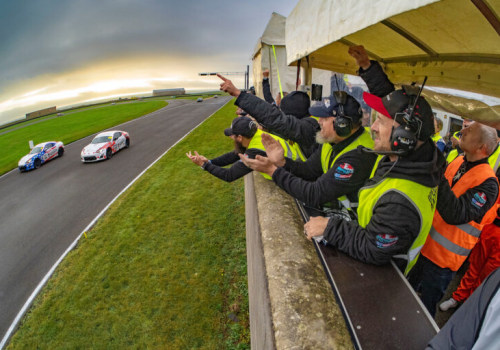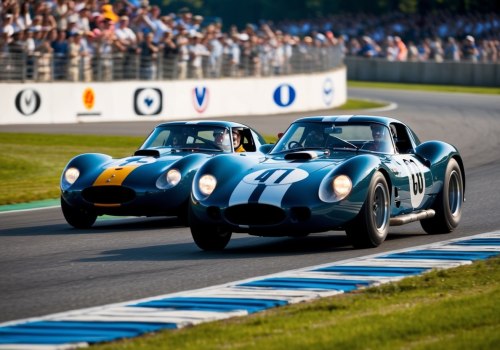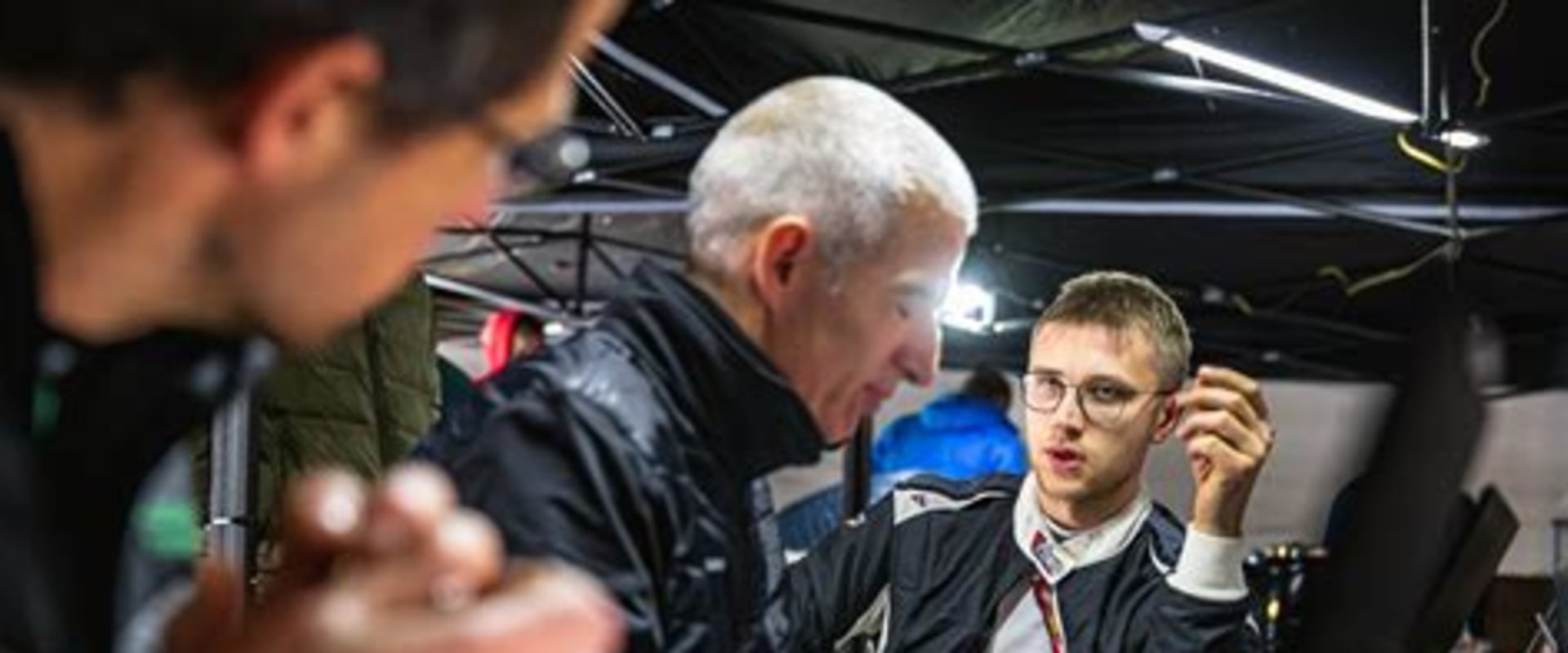
Motorsport events encompass a thrilling array of competitive racing formats that captivate audiences worldwide. From the high-speed excitement of Formula 1 to the rugged challenges of rally racing, these events showcase not only the skill of the drivers but also the engineering prowess behind their vehicles. Each type of motorsport offers a unique blend of strategy, speed, and precision, making them a significant part of the global sporting landscape. Understanding the various types of motorsport is essential for appreciating the nuances involved in each event. For instance, circuit racing involves competing on closed tracks, while off-road events test drivers' abilities on unpaved terrains.
Other popular formats include endurance racing, where teams must balance speed with vehicle reliability over long distances, and drag racing, which emphasizes raw acceleration in short bursts. Each format not only requires different skills but also influences the strategies drivers employ during competition. The significance of motorsport events extends beyond mere entertainment; they serve as platforms for technological innovation and driver development. Manufacturers often use these events to test new technologies under extreme conditions, pushing the boundaries of performance and safety. As fans cheer from the stands or tune in from home, they witness not just a race but a culmination of years of research, development, and passion for speed.
Preparation and Training Strategies
In the world of motorsport events, preparation and training are paramount for drivers aiming to achieve peak performance.The strategies employed can vary widely, but they generally focus on enhancing driving skills, physical fitness, and mental resilience.
Driver Training
- Simulators: Many drivers utilize advanced driving simulators to practice various tracks and conditions. This technology allows them to refine their techniques without the risks associated with real-world driving.
- On-Track Practice: Regular practice sessions on actual race tracks are essential. These sessions help drivers familiarize themselves with the nuances of each circuit, including turns, elevation changes, and braking points.
- Data Analysis: Analyzing telemetry data from previous races or practice runs enables drivers to identify areas for improvement. This data-driven approach helps in fine-tuning their racing lines and optimizing vehicle setup.
Physical Conditioning
- Aerobic Fitness: Endurance is crucial in motorsport.
Drivers often engage in cardiovascular workouts to improve stamina, allowing them to maintain focus and performance throughout long races.
- Strength Training: Building core strength is vital for handling the physical demands of racing. Exercises targeting the neck, shoulders, and arms help drivers withstand the forces experienced during high-speed maneuvers.
- Flexibility Training: Stretching and flexibility exercises are incorporated to enhance mobility, which is essential for quick reactions and maintaining control of the vehicle.
Mental Preparation
- Visualization Techniques: Many successful drivers use visualization to mentally rehearse their performance. This technique helps in building confidence and preparing for various race scenarios.
- Mental Resilience Training: Motorsport can be mentally taxing. Drivers often work with sports psychologists to develop coping strategies for stress and pressure during competitions.
Race Day Strategies
On race day, drivers employ a variety of strategies to maximize their performance and secure the best possible outcome in motorsport events.These strategies encompass mental preparation, tactical planning, and effective communication with their teams.
Mental Preparation
Before the engines roar to life, mental fortitude is crucial. Drivers often engage in visualization techniques, where they mentally rehearse the race, envisioning each turn and potential challenges. This practice helps them build confidence and reduce anxiety. Additionally, many drivers rely on breathing exercises or meditation to maintain focus and calmness under pressure.Pit Stop Strategies
Pit stops are pivotal moments in any race, and having a well-thought-out pit stop strategy can make or break a driver's performance.Teams analyze tire wear, fuel levels, and track conditions to determine the optimal timing for pit stops. Some common tactics include:
- Under-cutting: Pitting earlier than competitors to gain track position.
- Over-cutting: Staying out longer to take advantage of fresher tires when rejoining the track.
- Two-stop vs. one-stop strategies: Deciding whether to make one or two pit stops based on race length and tire performance.
Communication with Teams
Effective communication between drivers and their teams is essential throughout the race. Drivers rely on their crew for real-time updates on track conditions, competitor positions, and any incidents that may affect their strategy.This information allows drivers to adjust their tactics on the fly. Key aspects of this communication include:
- Radio Communication: Constant updates on lap times and tire performance help drivers make informed decisions.
- Strategic Calls: Teams may suggest changes in driving style or pit strategies based on evolving race conditions.
- Mood Monitoring: Teams also gauge a driver’s emotional state through communication, providing support when needed.
Tactical Driving Techniques
In the high-stakes world of motorsport events, drivers employ a variety of tactical driving techniques to gain an edge over their competitors. Mastering these techniques is essential for success on the track, as they can significantly impact lap times and overall race performance.Overtaking Maneuvers
One of the most critical skills in racing is the ability to execute effective overtaking maneuvers.Drivers often utilize several strategies, including:
- Slipstreaming: This technique involves following closely behind another car to reduce aerodynamic drag, allowing the driver to gain speed and overtake on a straight section of the track.
- Late Braking: By braking later than their opponent into a corner, drivers can dive inside and take the racing line, effectively passing the competitor.
- Switchback: This maneuver involves taking a wider line through a corner to set up an inside pass on the exit, catching opponents off guard.
Cornering Strategies
Effective cornering is vital in motorsport driving. Drivers must balance speed and control while navigating turns. Key strategies include:- Apexing: Hitting the apex of a corner allows drivers to maintain speed while minimizing distance traveled.
- Trail Braking: This technique involves maintaining brake pressure while turning into a corner, helping to rotate the car and improve cornering speed.
- Throttle Control: Smooth application of throttle during corner exit is crucial for maximizing acceleration without losing traction.
Defensive Driving
In addition to offensive tactics, defensive driving is equally important in motorsport events. Drivers must protect their position from challengers by:- Positioning: Placing their car in a way that blocks potential overtaking lines can deter competitors from making a move.
- Pacing: Adjusting speed to maintain a gap while forcing opponents into mistakes can be an effective strategy.
- Predictive Driving: Anticipating an opponent's moves allows drivers to react swiftly and maintain control of their racing line.
By mastering these techniques, drivers not only enhance their performance but also contribute to the thrilling spectacle that defines motorsport events.
Adapting to Track Conditions
In the world of motorsport events, adapting to track conditions is crucial for a driver's success. Each race presents unique challenges, influenced by factors such as weather, track surface, and tire performance. Understanding how to navigate these variables can make the difference between victory and defeat.Weather Impact on Racing
- Rain: Wet conditions can drastically alter grip levels. Drivers often switch to specialized wet tires that provide better traction on slick surfaces.
They must also adjust their braking points and cornering techniques to account for reduced visibility and longer stopping distances.
- Heat: High temperatures can lead to tire degradation. Drivers may need to modify their driving style, opting for smoother inputs to preserve tire life. Additionally, they must stay hydrated and manage their physical endurance throughout the race.
- Cold: In cooler conditions, tires may take longer to reach optimal operating temperatures. Drivers often need to be cautious during the initial laps, gradually increasing their pace as grip improves.
Adapting to Track Changes
- Track Evolution: As a race progresses, the track surface evolves due to rubber buildup and changing weather conditions.
Drivers must remain vigilant and adjust their racing lines accordingly. What worked in the early laps may not be effective later in the race.
- Surface Variations: Different sections of the track may have varying levels of grip due to factors like oil spills or debris. Skilled drivers will constantly assess these changes and adapt their strategies, often communicating with their teams for real-time updates.
- Pit Strategy: Teams play a vital role in helping drivers adapt by providing insights on when to pit for tire changes or adjustments based on track conditions. A well-timed pit stop can give a driver a significant advantage over competitors who fail to adapt quickly.
Their success hinges not only on speed but also on their capacity to read the track and respond effectively to its demands.
Team Collaboration and Communication
In the high-stakes world of motorsport events, the synergy between drivers and their teams is crucial for success. Effective teamwork in motorsport can often be the difference between victory and defeat. Each member of the team, from engineers to pit crew, plays a vital role in ensuring that the driver can perform at their best.Driver Team Communication
- Real-time Feedback: Drivers must communicate effectively with their teams during the race. This includes providing real-time feedback on car performance, track conditions, and any issues that may arise.
Such communication allows teams to make quick adjustments and strategic decisions.
- Pre-Race Strategy Meetings: Before the race, teams often hold strategy meetings to discuss potential scenarios and how to respond. This preparation helps ensure that everyone is on the same page and ready to adapt as needed.
- Post-Race Debriefs: After the event, teams analyze performance together. These debriefs are essential for understanding what worked well and what could be improved for future motorsport events.
Pit Crew Strategies
- Efficient Pit Stops: The speed and efficiency of pit stops can significantly impact race outcomes. Teams practice pit stop procedures extensively to minimize time lost during tire changes, refueling, and repairs.
- Role Specialization: Each member of the pit crew has a specific role, whether it’s changing tires or managing fuel.
This specialization allows for a seamless operation during critical moments of the race.
- Communication Signals: Clear communication signals are established between drivers and pit crews. For instance, drivers may use radio communication to inform their teams about their needs or to signal when they are approaching the pit lane.
Analyzing Competitors' Strategies
In the high-stakes world of motorsport events, understanding and analyzing competitors' strategies is crucial for drivers aiming to secure victory. This process involves a combination of observation, data analysis, and strategic planning.Observation Techniques
- On-track performance: Drivers closely monitor their rivals during practice sessions and qualifying rounds.
By observing their competitors' driving styles, cornering techniques, and braking points, they can identify strengths and weaknesses.
- Telemetry data: Many teams utilize advanced telemetry systems to gather real-time data on their competitors' vehicles. This information can reveal insights into engine performance, tire wear, and fuel consumption.
Data Analysis
After gathering observational data, teams analyze it to develop a comprehensive understanding of their competitors. This analysis often includes:
- Historical performance: Reviewing past race results helps teams identify patterns in their rivals' performances under different conditions.
- Track-specific strategies: Each circuit presents unique challenges. Understanding how competitors have approached similar tracks in the past can inform a driver's strategy for the current event.
Strategic Planning
With insights gained from observation and analysis, drivers can formulate effective strategies.
Some common tactics include:
- Adapting driving style: If a driver identifies that a competitor struggles with tire management, they may choose to push harder in the early laps to create a gap.
- Pit stop strategy: Timing pit stops can be critical. By predicting when rivals will pit based on their fuel and tire usage, drivers can optimize their own pit strategy to gain an advantage.
Post-Race Analysis and Learning
In the high-stakes world of motorsport events, the race may end, but the learning process is just beginning. Post-race analysis is a critical component for drivers aiming to enhance their performance and gain a competitive edge.This phase involves a thorough review of various aspects of the race, allowing drivers to identify strengths and weaknesses in their approach.
Key Elements of Post-Race Analysis:
- Data Review: Analyzing telemetry data, lap times, and tire performance provides insights into how the car handled under different conditions. This quantitative data is invaluable for understanding what worked and what didn’t.
- Video Analysis: Reviewing race footage helps drivers visualize their performance on the track. They can assess their racing lines, overtaking maneuvers, and interactions with other drivers, which are crucial for refining techniques.
- Team Debrief: Engaging in discussions with engineers and team members allows drivers to gather diverse perspectives on their performance. This collaborative approach fosters a deeper understanding of the car's setup and race strategy.
For instance, if a driver executed a perfect pit stop strategy that resulted in gaining positions, analyzing that decision can lead to better execution in subsequent races.
Continuous Improvement:
The essence of post-race analysis lies in its role in fostering continuous improvement. By systematically reviewing each race, drivers can set specific goals for their next performance. Whether it’s improving reaction times, mastering cornering techniques, or enhancing communication with the pit crew, each lesson learned contributes to a driver’s overall development.Ultimately, the commitment to post-race analysis distinguishes successful drivers from their competitors. It transforms every race into an opportunity for growth, ensuring that they are not just participants in motorsport events, but also perpetual learners striving for excellence on the track.
Frequently Asked Questions about Motorsport Strategies
In the world of motorsport events, understanding driver strategies is crucial for both participants and fans.Here are some frequently asked questions that shed light on common racing strategies:
What are the key strategies drivers use during a race?
- Pit Stop Strategy: Timing and frequency of pit stops can significantly impact a driver's performance. Teams analyze tire wear and fuel levels to determine the optimal moment to pit.
- Fuel Management: Drivers often need to balance speed with fuel consumption. Efficient fuel management can allow a driver to push harder later in the race.
- Tire Strategy: Choosing the right tires for varying track conditions is essential. Drivers may switch between soft and hard compounds based on weather and track temperature.
- Defensive Driving: When leading, drivers may adopt defensive tactics to protect their position from challengers, including blocking lines and maintaining pace.
How do weather conditions affect racing strategies?
Weather plays a pivotal role in motorsport events.Rain can lead to a shift in tire strategy, with teams opting for wet-weather tires. Additionally, changing conditions may prompt teams to adjust their pit stop timing to gain an advantage over competitors.
What role does data analysis play in driver strategy?
Data analysis is integral to formulating effective strategies. Teams utilize telemetry data to monitor vehicle performance, track conditions, and competitor behavior. This information helps in making real-time decisions during the race.Can driver experience influence strategy?
Absolutely! Experienced drivers often have a better instinct for when to push their limits or conserve resources.Their familiarity with various tracks and conditions allows them to adapt their strategies more effectively than less experienced drivers.Understanding these aspects of driver strategy can enhance your appreciation of motorsport events, revealing the intricate planning and quick decision-making that goes into each race.
Conclusion: The Art of Strategy in Motorsport Events
In conclusion, the world of motorsport events is not just about speed and skill; it is a complex interplay of strategy, precision, and adaptability. Throughout this article, we have explored various strategies that drivers employ to gain a competitive edge, emphasizing that success in these high-stakes environments often hinges on more than just raw talent. Key strategies include:- Race Planning: Understanding the track layout and conditions allows drivers to devise a race plan that maximizes their strengths while minimizing weaknesses.
- Tire Management: Effective tire strategy can significantly impact performance. Drivers must decide when to push their tires to the limit and when to conserve them for later stages of the race.
- Pit Stop Strategy: Timing and execution of pit stops can make or break a race. Teams must analyze data to determine the optimal moments for refueling and tire changes.
- Adapting to Conditions: Weather changes or track surface variations require quick thinking and adaptability.
Successful drivers are those who can adjust their strategies on the fly.