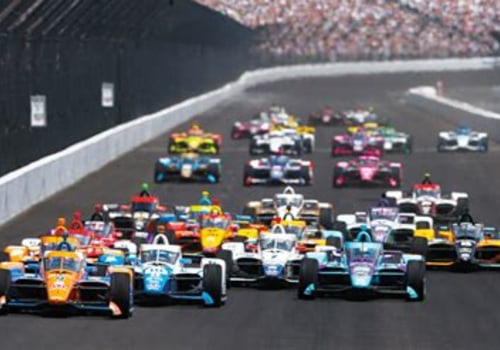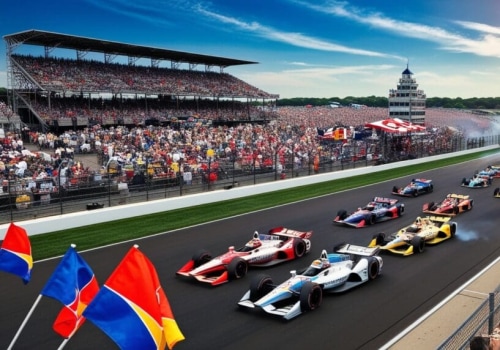
Motorsport events have long been a crucible for innovation, serving as a testing ground for cutting-edge technologies that often find their way into everyday life. From the roaring engines of Formula 1 cars to the rugged durability of rally vehicles, these high-stakes competitions push the limits of engineering and design. The intense pressure to perform at peak levels not only captivates audiences but also drives teams to develop solutions that enhance speed, safety, and efficiency.At the heart of this relationship between motorsport events and technology development lies a unique synergy. Engineers and designers are tasked with overcoming challenges that require rapid prototyping and real-time problem-solving.
This environment fosters a culture of innovation in motorsport, where every second counts, and every detail matters. Technologies such as advanced aerodynamics, hybrid powertrains, and telemetry systems have emerged from this competitive landscape, often trickling down to consumer vehicles.Moreover, the collaboration between automotive manufacturers and technology firms during these events accelerates advancements in various fields, including materials science and data analytics. As teams strive for victory, they explore new avenues for performance enhancement that can lead to breakthroughs applicable beyond the racetrack. Thus, motorsport events not only entertain but also serve as a vital catalyst for technological progress, shaping the future of transportation and engineering.
Historical Overview of Technology in Motorsport
The history of motorsport technology is a fascinating journey that reflects the relentless pursuit of speed, safety, and efficiency.From the early days of racing in the late 19th century to the high-tech arenas of today, motorsport events have been at the forefront of technological innovation.In the early 1900s, motorsport was primarily about raw power and mechanical reliability. The first significant technological milestone came with the introduction of the internal combustion engine, which revolutionized not only racing but also the automotive industry as a whole. As races became more competitive, manufacturers began to invest heavily in research and development.By the 1950s and 1960s, advancements in aerodynamics began to take center stage. The introduction of wind tunnels allowed engineers to refine car shapes for better performance.
This era saw the emergence of iconic designs like the Lotus 49, which featured a revolutionary monocoque chassis that improved safety and handling.The 1970s and 1980s marked another leap forward with the advent of computer-aided design (CAD) and telemetry systems. These technologies enabled teams to gather real-time data during races, allowing for immediate adjustments and strategic decisions. The use of lightweight materials such as carbon fiber became prevalent, significantly enhancing vehicle performance.As we moved into the 21st century, motorsport events began to embrace hybrid technology and electric powertrains. Formula E, for instance, has pushed the boundaries of electric vehicle technology, showcasing innovations that have trickled down to consumer cars.
The integration of advanced electronics and software has also led to improvements in safety features, such as automatic braking systems and collision avoidance technologies.In summary, the evolution of motorsport has been marked by a series of technological milestones that not only enhance racing performance but also contribute significantly to advancements in everyday automotive technology. Each race serves as a testing ground for new ideas, ultimately benefiting consumers around the globe.
Key Technologies Developed Through Motorsport Events
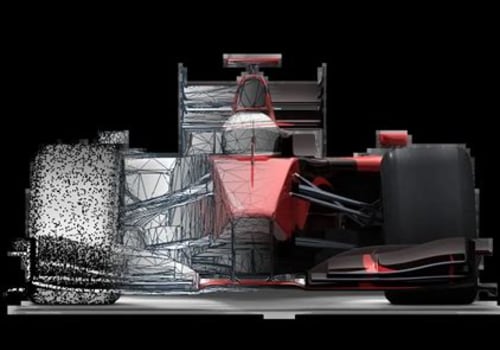
Motorsport events have long been a crucible for engineering innovations, pushing the boundaries of technology in ways that often extend far beyond the racetrack. Here are some key technologies that have emerged from this high-octane environment:- Aerodynamics: The quest for speed has led to significant advancements in aerodynamic design. Race cars are meticulously designed to minimize drag and maximize downforce, resulting in vehicles that can corner at high speeds.
Techniques such as computational fluid dynamics (CFD) have been developed to simulate airflow, allowing engineers to refine shapes and components before physical prototypes are built.
- Materials Science: Motorsport events demand materials that are both lightweight and incredibly strong. Innovations such as carbon fiber composites and advanced alloys have been pioneered in racing, leading to safer and more efficient vehicles. These materials are now widely used in various industries, including aerospace and automotive manufacturing.
- Engine Performance: The relentless pursuit of power and efficiency has driven advancements in engine technology. Innovations such as turbocharging, hybrid powertrains, and direct fuel injection were first tested in motorsport before making their way into consumer vehicles.
These technologies not only enhance performance but also improve fuel efficiency and reduce emissions.
- Tire Technology: The development of high-performance tires is another area where motorsport has made significant contributions. Racing tires are engineered for optimal grip and durability under extreme conditions, leading to innovations that enhance safety and performance in everyday vehicles.
The Role of Research and Development in Motorsport
Motorsport events serve as a dynamic platform for research and development (R&D), where racing teams invest significant resources to innovate and enhance vehicle performance.This investment is not merely for competitive advantage; it often leads to breakthroughs that transcend the racetrack and influence various industries.One of the primary areas of focus in R&D within motorsport is engineering research. Teams employ cutting-edge technologies to improve aerodynamics, materials, and engine efficiency. For instance, the use of lightweight composite materials in race cars has paved the way for advancements in consumer automotive manufacturing, leading to safer and more fuel-efficient vehicles.
Innovation through Racing Teams
- Data Analytics: Racing teams utilize sophisticated data analytics to monitor vehicle performance in real-time. This data-driven approach allows engineers to make immediate adjustments, which can lead to significant improvements in speed and handling.
- Hybrid Technology: The push for sustainability in motorsport has accelerated the development of hybrid technologies.
These innovations not only enhance race car performance but also contribute to the evolution of electric vehicles in the consumer market.
- Tire Technology: The extreme conditions of racing necessitate advanced tire technology. Innovations developed for motorsport have trickled down to everyday tires, improving safety and performance on public roads.
The innovations that emerge from this high-stakes environment continue to shape the future of transportation and engineering, demonstrating that the impact of motorsport extends far beyond the racetrack.
Collaboration Between Motorsport and Automotive Industries
The collaboration between motorsport events and the automotive industry is a dynamic relationship that fosters innovation and technological advancement. This partnership is not merely a marketing strategy; it is a vital exchange of knowledge and expertise that benefits both sectors.One of the most significant aspects of this collaboration is the technology transfer that occurs during racing seasons. Automotive manufacturers often develop cutting-edge technologies in response to the rigorous demands of motorsport. These innovations can include advancements in aerodynamics, materials science, and engine performance.For instance, the use of lightweight materials such as carbon fiber in race cars has been adapted for consumer vehicles, enhancing fuel efficiency and safety.
Key Areas of Collaboration:
- Research and Development: Motorsport teams often work closely with automotive engineers to test new technologies under extreme conditions, providing invaluable data that can be applied to commercial vehicles.
- Performance Enhancements: Technologies developed for racing, such as hybrid powertrains and advanced telemetry systems, are increasingly finding their way into everyday cars, improving performance and driver experience.
- Sustainability Initiatives: The push for greener technologies in motorsport has led to innovations in electric vehicle technology and alternative fuels, which are crucial for the future of the automotive industry.
Sustainability Innovations Driven by Motorsport Events
As the world increasingly prioritizes sustainability, motorsport events are stepping up to lead the charge in developing innovative technologies that promote eco-friendliness. These high-octane competitions are not just about speed; they are becoming platforms for testing and implementing sustainable technology.One of the most significant advancements in this arena is the rise of electric vehicles (EVs).Series like Formula E have showcased how electric racing can be both thrilling and environmentally responsible. These events not only highlight the performance capabilities of EVs but also push manufacturers to enhance battery technology, energy efficiency, and charging infrastructure.In addition to electric vehicles, alternative fuels are gaining traction within motorsport. Many racing series are experimenting with biofuels and synthetic fuels that reduce carbon emissions without sacrificing performance. For instance, the use of bioethanol in various racing formats has demonstrated that it is possible to maintain high-speed competition while minimizing environmental impact.
- Hybrid Technology: Motorsport events are also at the forefront of hybrid technology development, combining traditional combustion engines with electric power to improve fuel efficiency and reduce emissions.
- Recycling Initiatives: Teams and organizers are increasingly adopting recycling programs, ensuring that materials used during races are repurposed or recycled, further contributing to sustainability efforts.
- Fan Engagement: Many motorsport events are engaging fans in sustainability initiatives, encouraging them to adopt eco-friendly practices both at the track and in their daily lives.
Technologies developed for racing often find their way into consumer products, influencing automotive design and engineering on a broader scale. As these events continue to evolve, they will play a crucial role in shaping a more sustainable future for the automotive industry.
Future Trends: The Next Generation of Motorsport Technologies
As we look towards the future of motorsport events, several exciting trends and technologies are poised to revolutionize the racing landscape. The integration of automation and artificial intelligence (AI) is expected to play a pivotal role in shaping the next generation of motorsport technologies.Automation in Racing
One of the most significant advancements on the horizon is the increased use of automation in vehicle performance and race strategy. Automated systems can analyze vast amounts of data in real-time, allowing teams to make informed decisions during races.This could lead to:
- Enhanced vehicle dynamics: Automated adjustments to suspension, tire pressure, and aerodynamics based on track conditions.
- Optimized pit strategies: AI-driven predictions for the best times to pit, maximizing efficiency and minimizing time lost.
The Role of AI in Driver Assistance
AI is also set to transform driver assistance systems. Future motorsport events may feature vehicles equipped with advanced AI that can assist drivers in real-time, improving safety and performance. Potential innovations include:- Predictive analytics: Systems that anticipate potential hazards on the track, allowing drivers to react proactively.
- Adaptive learning: AI that learns from each race, continuously improving its recommendations based on driver behavior and track conditions.
Sustainability and Eco-Friendly Technologies
The push for sustainability is another trend that will shape future motorsport technologies. As environmental concerns grow, racing series are increasingly focusing on eco-friendly innovations.This includes:
- Electric and hybrid powertrains: Continued development of high-performance electric vehicles that can compete with traditional combustion engines.
- Alternative fuels: Research into sustainable fuels that reduce carbon footprints while maintaining performance standards.
FAQs About Motorsport Events and Technology Development
Motorsport events are not just thrilling spectacles; they are also hotbeds for technological innovation. Here are some frequently asked questions regarding the relationship between motorsport events and technology development:- How do motorsport events drive technological advancements?
Motorsport events push the limits of engineering and design. The need for speed, safety, and efficiency compels teams to innovate continuously. Technologies developed in racing often find their way into consumer vehicles, enhancing performance and safety features. - What are some examples of technologies developed through motorsport?
Numerous technologies have emerged from motorsport events, including: - Anti-lock braking systems (ABS): Originally developed for racing cars, ABS is now standard in most vehicles.
- Carbon fiber materials: Used for lightweight and strong components in race cars, carbon fiber is now widely used in various industries.
- Telemetry systems: These systems allow real-time data collection and analysis, which has been adapted for use in commercial vehicles.
- How does technology transfer from motorsport to everyday vehicles?
The technology transfer occurs through partnerships between racing teams and automotive manufacturers.Innovations tested on the track are refined and adapted for mass production, ensuring that consumers benefit from cutting-edge advancements.
- What role do sponsors play in technology development during motorsport events?
Sponsors often invest in research and development, providing funding that allows teams to explore new technologies. This collaboration can lead to breakthroughs that enhance both racing performance and consumer products.
Conclusion: The Lasting Impact of Motorsport on Technology Advancement
In conclusion, motorsport events serve as a critical platform for technological advancement, influencing various industries far beyond the racetrack. The rigorous demands of racing push engineers and designers to innovate, leading to breakthroughs that often find their way into consumer products.Throughout this article, we explored several key areas where motorsport events have made a significant impact:- Safety Innovations: Technologies developed for driver safety, such as advanced helmet designs and crash barriers, have been adopted in everyday vehicles, enhancing road safety for all.
- Performance Enhancements: The quest for speed has led to advancements in aerodynamics and lightweight materials, which are now utilized in various automotive applications.
- Sustainable Technologies: The rise of electric racing series has accelerated the development of battery technology and energy efficiency, paving the way for greener automotive solutions.
- Data Analytics: The use of telemetry and data analysis in motorsport has revolutionized how manufacturers approach vehicle performance and maintenance, influencing the automotive industry’s shift towards smart technologies.
As teams continue to push the boundaries of what is possible on the track, the ripple effects of these advancements will continue to shape the future of transportation and technology. Ultimately, the lessons learned from racing not only enhance performance but also contribute to a safer and more sustainable world.