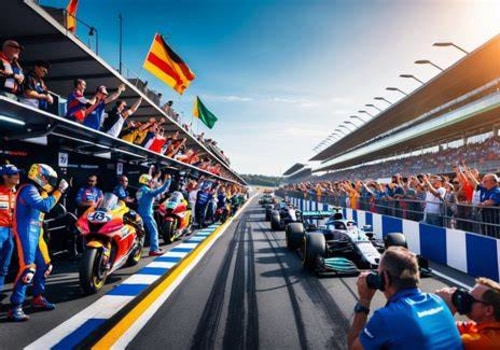
Motorsport events are exciting displays of speed, precision, and competitive driving, but the preparation behind each race involves much more than what spectators see on the track. Drivers, engineers, mechanics, and event organizers work together to ensure vehicles are ready for demanding racing conditions. From technical inspections to safety evaluations, every detail contributes to a successful event. Race car preparation requires careful planning, specialized equipment, and constant communication among team members. Understanding these behind-the-scenes activities highlights the dedication and expertise necessary to deliver competitive performances while maintaining safety and reliability throughout an event.
Mechanical Inspections and Performance Optimization
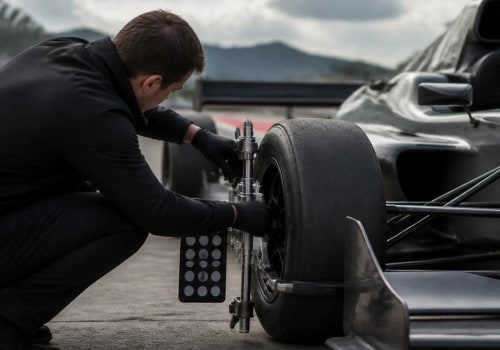
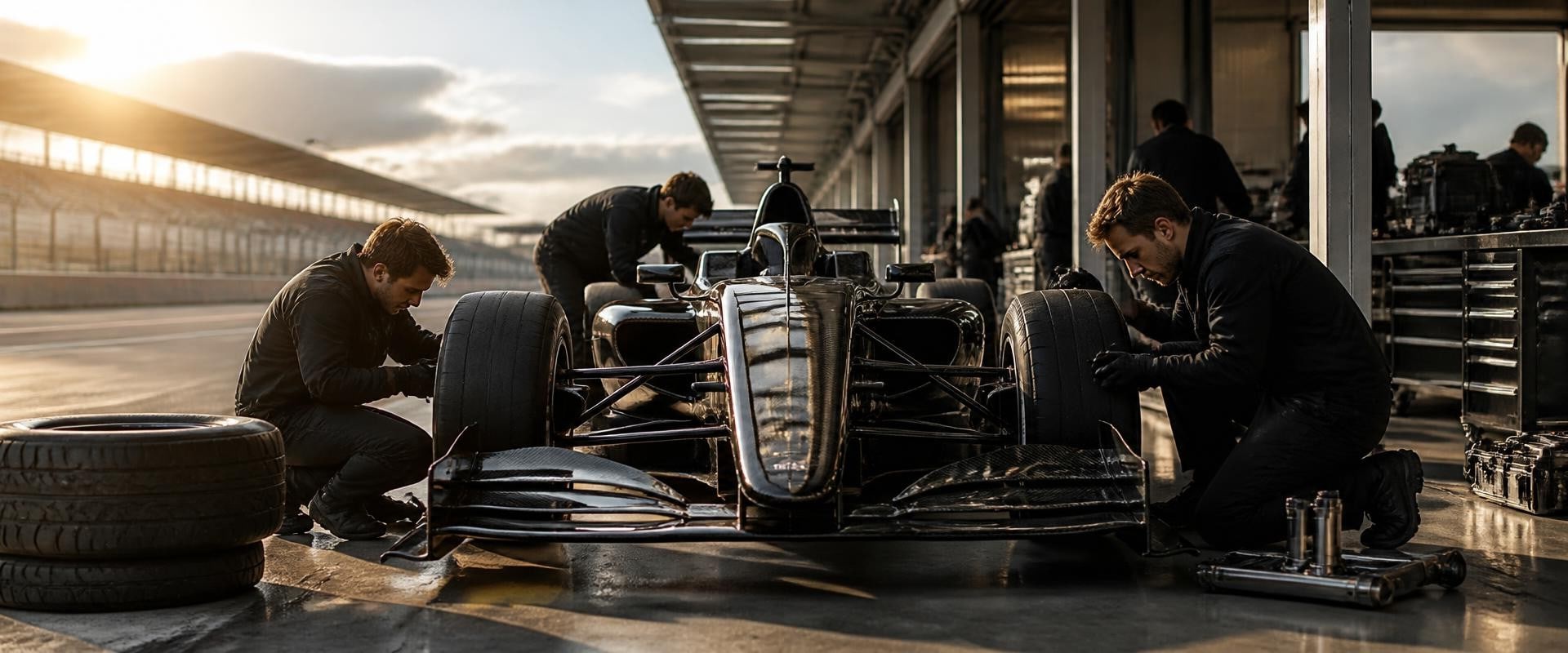
Before a race begins, mechanics conduct comprehensive inspections to identify potential mechanical problems. Engines, transmissions, suspension systems, brakes, and tires receive particular attention because these components directly influence performance and handling. Technicians examine fluid levels, inspect connections, and evaluate signs of wear that could compromise reliability. Depending on racing regulations, teams may also adjust suspension settings, tire pressures, and aerodynamic components to suit specific track conditions. These preparations help drivers maintain control while maximizing vehicle efficiency. Consistent mechanical evaluations are essential because even minor technical issues can affect race outcomes or create unnecessary safety risks.
Exterior Cleaning and Vehicle Presentation
Although mechanical performance remains the primary concern, exterior cleanliness also plays an important role in motorsport preparation. Race cars frequently accumulate dust, rubber particles, oil residue, and other contaminants during practice sessions and transportation. Regular cleaning helps teams inspect body panels, identify visible damage, and maintain a professional appearance for sponsors and spectators. General automotive cleaning providers, including Drew's Car Wash in College Station, illustrate how routine vehicle cleanliness can support exterior maintenance, although specialized race cars often require team-specific cleaning methods. Maintaining clean surfaces also ensures sponsor graphics, racing numbers, and identification markings remain visible throughout competitive events.
Driver Preparation and Safety Procedures
Race car preparation extends beyond maintaining the vehicle itself. Drivers participate in physical conditioning, technical briefings, and practice sessions to develop the concentration and endurance required for competition. Safety equipment, including helmets, harnesses, racing suits, and fire protection systems, must meet applicable motorsport standards. Teams also inspect roll cages, emergency switches, and communication equipment before allowing vehicles onto the track. These precautions help reduce risks associated with high-speed racing and provide drivers with greater confidence during demanding situations.
Team Coordination During Race Weekends
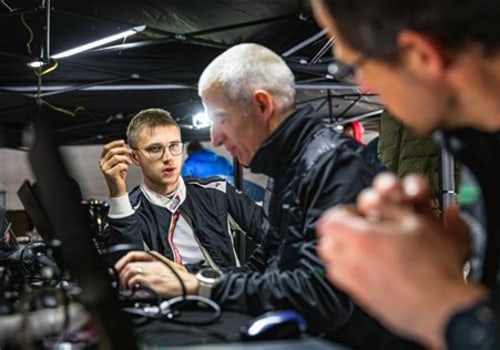
Successful motorsport teams depend on efficient coordination between drivers, mechanics, engineers, and support personnel. During practice sessions, engineers analyze vehicle performance data and communicate adjustments that may improve handling or speed. Pit crews organize tools, replacement components, and fuel strategies to minimize delays during scheduled stops. Weather conditions, track temperatures, and tire performance can influence decisions throughout the competition. Effective teamwork allows racing organizations to respond quickly to unexpected challenges while maintaining a consistent approach to safety and performance.
Post-Race Maintenance and Continuous Improvement
The work continues after competitors cross the finish line. Mechanics inspect vehicles for damage, review component wear, and address problems discovered during racing. Engineers examine performance data to identify opportunities for improvement before future events. Cleaning the vehicle also helps reveal hidden defects and prepares it for transportation or storage. Ultimately, successful motorsport participation depends on thorough preparation, disciplined teamwork, and consistent vehicle maintenance, demonstrating that the excitement witnessed on race day is supported by extensive work behind the scenes.