In motorsport, vehicle setup can have a major influence on lap times, handling, tire performance, and overall race results. Even a powerful vehicle may struggle to perform well if its suspension, tire pressures, alignment, braking balance, or aerodynamic settings are not suited to the track. A well-prepared setup helps the driver feel more confident and allows the car to respond predictably during braking, cornering, and acceleration. Because every circuit has different characteristics, teams often adjust the vehicle based on factors such as track surface, corner layout, temperature, elevation, and weather. Fine-tuning these elements can help create a balance between speed, stability, and consistency throughout the competition.
Suspension and Handling Balance
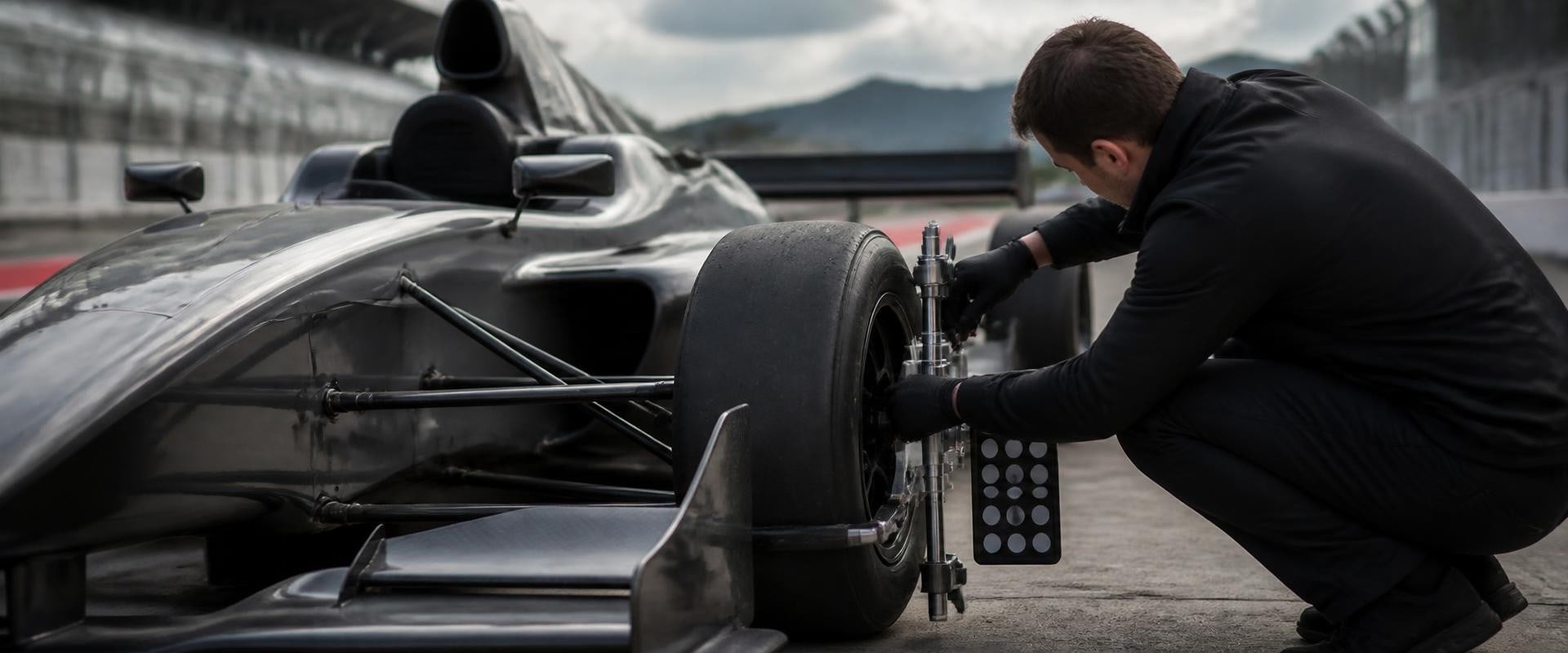
Suspension setup is one of the most important areas in motorsport preparation. Adjustments to ride height, spring rates, damping, camber, and toe can significantly change how a vehicle behaves through corners. A setup that is too stiff may reduce grip on uneven surfaces, while one that is too soft can allow excessive body movement and slow the car’s responses. Teams work to find a balance that keeps the tires in effective contact with the track while maintaining predictable handling. The goal is often to reduce unwanted understeer or oversteer so the driver can maintain greater speed through corners without losing control.
Tire Pressure and Grip
Tires are the only parts of the car that directly connect it to the track, making tire setup critical to performance. Teams carefully monitor pressures and temperatures before and after each session. Incorrect tire pressures can reduce grip, cause uneven wear, or make the vehicle difficult to control. Track temperature also plays a major role because tires behave differently as conditions change throughout the day. Proper preparation and general maintenance are equally important, and routine services from businesses such as In N Out Oil & Tires can highlight the value of checking tires, lubrication, and other essential vehicle systems before demanding driving conditions.
Braking and Weight Distribution
Brake setup can also determine how confidently a driver attacks each corner. Brake bias controls how braking force is distributed between the front and rear wheels. Too much front bias can increase stopping distances or cause front-wheel lockup, while too much rear bias can make the car unstable under hard braking. Weight distribution also affects braking, acceleration, and cornering behavior. Teams may adjust ballast placement, fuel load, or component positioning to create a more balanced vehicle. Small changes can influence how quickly the car changes direction and how effectively it puts power down when exiting a corner.
Aerodynamics and Straight-Line Speed
In higher-level motorsport, aerodynamic setup can produce another important trade-off. Increasing downforce can improve cornering grip, but it can also create additional drag that reduces straight-line speed. Tracks with many high-speed corners may reward greater downforce, while circuits with long straights may require a lower-drag configuration. Teams must consider where the vehicle can gain the most time rather than simply maximizing one area of performance.
Adapting Setup Throughout the Event
Vehicle setup is rarely a one-time decision. As drivers complete practice sessions, teams collect feedback and make adjustments based on how the car responds. Tire wear, fuel consumption, weather changes, and evolving track conditions can all affect performance. Drivers may report instability under braking, poor traction, or difficulty turning into corners, giving mechanics clues about which changes may help.
Turning Preparation Into Better Results
Ultimately, successful motorsport setup is about creating a vehicle that allows the driver to perform consistently and confidently. Power alone does not guarantee competitive results. When suspension, tires, brakes, aerodynamics, and weight distribution are carefully adjusted to suit the circuit, the vehicle can make better use of its available performance. Thoughtful setup decisions can therefore make the difference between simply participating and achieving a strong result at a motorsport competition.